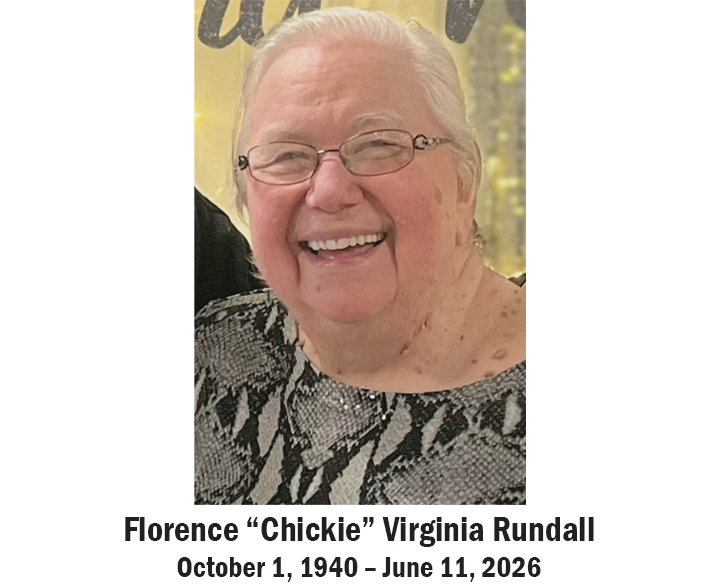
Florence “Chickie” Virginia Rundall, beloved wife, mother, grandmother, great-grandmother and friend, passed away surrounded by the love of her family. She was born on October 1, 1940, in Miami Beach, Florida, where she spent her early years before beginning a remarkable life of service, family and adventure.
As a young woman, Florence attended the Washington School for Secretaries in Washington, D.C. Following her graduation, she had the honor of serving in the secretarial pool for President John F. Kennedy, an experience she cherished throughout her life.
In December 1962, Florence married the love of her life, Dennis Rundall. Together they built a beautiful marriage filled with love, laughter, and countless adventures spanning more than six decades.
Florence and Dennis were blessed with three sons: Daniel (Denise), Frank, and John (Emily). Her greatest joy was her family. She was a proud grandmother to Beth (Kelly), Daniel (Montana), David Jay (Ashley), Crystal (Travis), David (Anne), Josiah, Wesley (Elise), James (Lauren), Levi, Deanna, Noah, Hannah, and Dillon. She was also blessed with ten great-grandchildren. Nothing made Chickie happier than spending time with her children, grandchildren, and great-grandchildren, celebrating milestones, sharing stories, and creating memories that will live on for generations.
Florence dedicated about 25 years of service to the City of Antioch, where she served as Deputy City Clerk before later becoming City Clerk. She took great pride in her work and was respected for her professionalism, integrity, and dedication to serving her community.
After retirement, Florence and Dennis embraced their love of travel. Together they explored nearly every corner of the United States in their motorhome, making lifelong memories on the open road before eventually settling in Oakley, California. Whether visiting new places or enjoying quiet moments at home, they treasured every adventure they shared together.
Florence will be remembered for her warm heart, unwavering devotion to her family, quiet strength, and generous spirit. She had a gift for making everyone feel welcome, and her kindness touched the lives of all who knew her.
She leaves behind a legacy of love, faith, service, and family that will continue to inspire those fortunate enough to have known her. Though she will be deeply missed, her memory will forever live on in the hearts of her husband, children, grandchildren, great-grandchildren, extended family, and dear friends.
Family and friends are invited to celebrate Florence “Chickie” Rundall’s life on Saturday, July 25, at the Pittsburg Elks Lodge (200 Marina Blvd), from 12:00 p.m. to 3:00 p.m. We welcome all who knew and loved Chickie to join us in honoring her life, sharing memories, and celebrating the lasting impact she had on so many. If you have any questions, please feel free to reach out to the family.
Speeding continues to endanger lives on California roadways, making it a priority for the California Highway Patrol in its efforts to make roads safer.
By Jaime Coffee, CHP Director of Communications Office of Media Relations
SACRAMENTO— The California Highway Patrol (CHP) is reminding motorists to slow down and drive responsibly as they head out for Independence Day celebrations statewide. To address unsafe driving and keep California’s roads safe, the CHP will conduct a Holiday Enforcement Period (HEP) from July 2 at 6 p.m. to July 5 at 11:59 p.m., with an emphasis on combating speeding.
During last year’s 78-hour Independence Day HEP, CHP officers responded to more than 850 speed-related crashes. Tragically, at least seven of those collisions resulted in the loss of life, and nearly 400 crashes resulted in injuries to those involved. In addition, CHP officers made 1,311 arrests for driving under the influence – an average of one DUI arrest every three and a half minutes.
“Reckless driving and speeding continue to endanger lives on California’s roadways,” said CHP Commissioner Sean Duryee. “As families and friends travel this holiday weekend, we urge everyone to slow down, be considerate of others and make responsible choices behind the wheel. Getting there safely is what matters most.”
Higher Speeds, Greater Consequences
Speeding is dangerous – it slows reaction time, increases stopping distance and crash severity, and can lead to serious, even fatal, consequences. According to the CHP’s Statewide Integrated Traffic Records System, an average of more than 115,000 collisions in California each year are attributed to speed. The data also shows that speeding contributes to about 600 traffic-related deaths statewide each year.
During this Independence Day HEP, the CHP will continue using 100 low-profile, specially marked patrol vehicles to target dangerous driving behaviors on California’s highways. These vehicles blend into traffic, allowing officers to identify reckless drivers before taking enforcement action. Since their deployment last year, CHP officers operating these vehicles have issued over 59,000 speed-related citations statewide.
Pilot Program Targets Speeds
In December 2025, the California Department of Motor Vehicles (DMV) and the CHP launched a pilot program to swiftly take action against drivers caught traveling more than 100 mph, aiming to reduce potentially deadly crashes. The FAST (Forwarded Actions for Speeding Tickets) program automatically refers drivers to the DMV for review – independent of any court proceedings – to determine whether immediate action, such as license suspension or revocation, is warranted.
According to the DMV, the CHP submitted more than 3,200 FAST referrals between January and May 2026 for drivers engaging in speeding and high-risk driving behavior. The DMV responded with more than 3,000 suspension and re-examination actions, 94.3% of which were upheld after administrative review and hearings, demonstrating the program’s effectiveness in identifying drivers who pose a significant risk to public safety.
Simple Steps to Help Save Lives
To help prevent crashes and save lives this Independence Day weekend, the CHP encourages everyone to take the following safety precautions:
Plan ahead and designate a sober driver before celebrations begin.
Use a rideshare service, taxi or public transportation if you have been drinking.
Host responsibly and ensure guests have a safe way home.
Never drive under the influence of alcohol, cannabis or other impairing substances.
Always wear your seat belt; it remains one of the most effective ways to reduce injuries and save lives in a crash.
If someone is about to drive impaired, speak up, take the keys, and help them get home safely.
Help remove a dangerous driver from the road by dialing 9-1-1.
The mission of the CHP is to provide the highest level of Safety, Service and Security.
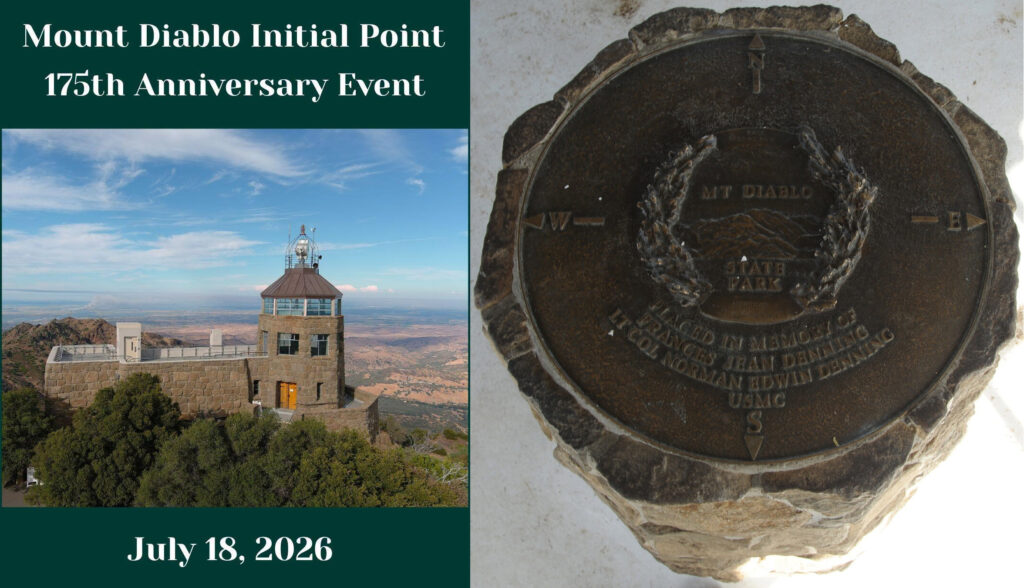
The brass plate marks the Mount Diablo Initial Point inside the Visitor’s Center. Left source: Mount Diablo State Park. Right photo: The Center for Land Use Interpretation (CLUI)
Free historic public event commemorates one of the most significant survey monuments in the American West
By Mount Diablo State Park & Public Land Survey System Foundation
Join us on July 18, 2026, for a day-long public celebration commemorating the history and enduring importance of one of the West’s most significant surveying landmarks and an important day in California mapping history.
On a hot summer day in 1851 Colonel Leander Ransom and his survey crew carried their equipment to the top of Mount Diablo and established the Mount Diablo Initial Point – the starting point for mapping property lines for much of California and all of Nevada.
Celebrate the 175th anniversary of the Initial Point with us…explore antique and modern surveying equipment, visit information booths, enjoy hands-on exhibits showcasing the science and practice of land surveying and activities designed to introduce younger visitors to the profession. Land surveyors and historians will be on hand to demonstrate equipment and answer questions about the history and significance of the Initial Point and Mount Diablo’s prominence. Guided tours will point out the original survey monuments housed inside the Summit Visitor Center.
The free educational event will be held from 10:00 a.m. to 4:00 p.m. at the Summit Upper Lot in Mount Diablo State Park. Visitors of all ages are invited to experience interactive exhibits, historical surveying demonstrations, educational presentations, and family-friendly activities that illustrate the vital role surveying has played in the development of California and Nevada.
According to The Center for Land Use Interpretation, the Mount Diablo Initial Point “is one of 37 federal survey points of origin covering the USA (outside of the 13 original colonies), known as Initial Points, selected over the course of 150 years, to anchor newly acquired federal land to the legal and cartographic grid.
“Most Initial Points are created incidentally, as baselines (and sometimes the meridians) are usually created first, with one end anchored on relatively immutable geographic features, such as the confluence of rivers, or latitudinal lines. The west has a number of exceptions, where prominent peaks were selected to be Initial Points, and then base-lines and meridians were drawn from them, as their visibility from great distances aided the surveyor’s task. Such was the case with Mount Diablo, an isolated mound rising above the surrounding valley, east of the San Francisco Bay area.”
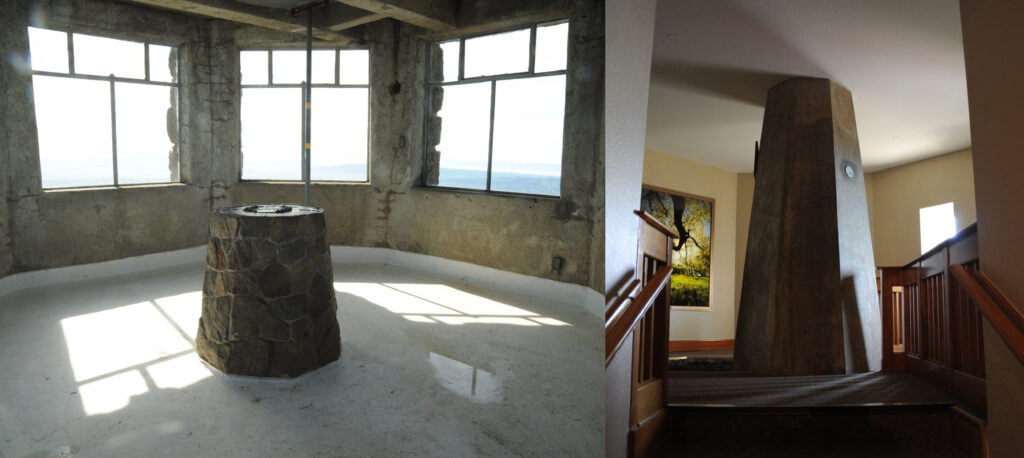
A concrete column, built at the same time as the rest of the structure, sits atop the exposed bedrock of the summit and continues through the ceiling to a viewing gallery on the level above where it is topped with a brass plate. Photos: CLUI
“Mount Diablo has the most elaborate commemorative architectures of all the Initial Points. The building at the top of the mountain, built by the Civilian Conservation Corps in the 1930s, contains a small museum and encloses a monument built on top of the summit. The building itself extends the peak another 45 feet in elevation. A concrete column, built at the same time as the rest of the structure, sits atop the exposed bedrock of the summit and continues through the ceiling to a viewing gallery on the level above where it is topped with a brass plate. The rock of the actual summit is exposed at the base of the concrete column. An opening at the base of the column was provided to allow access to the exact spot from which the survey was conducted, marked now by a copper bolt head left from a 1876 triangulation station.”
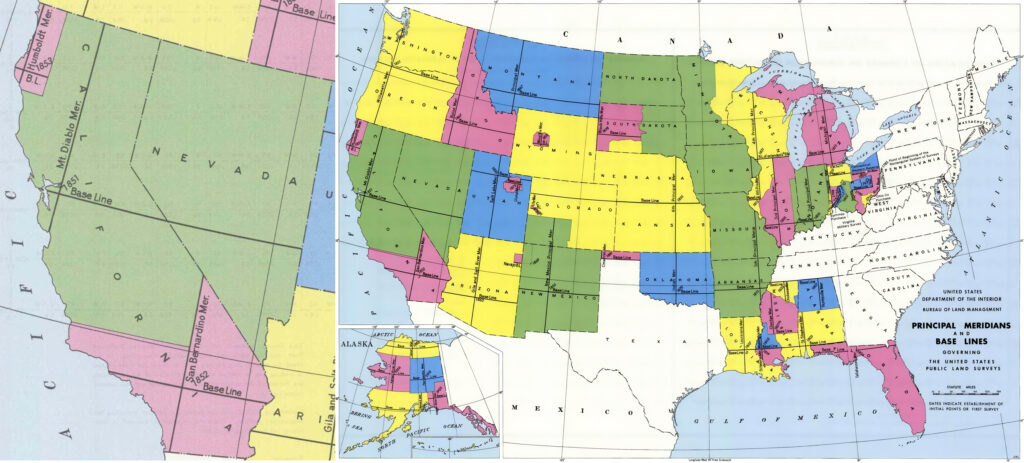
The survey lines from Mount Diablo extend from the Pacific Ocean to Utah, and from Monterey Bay to Oregon, covering an area that includes most of California and all of Nevada (in green) and U.S. Meridians and Baselines map. Sources: (left) CLUI and (right) U.S. Dep’t of the Interior Bureau of Land Management
According to the Mount Diablo Surveyors Historical Society, “California has three initial points; Mount Diablo Base and Meridian (est. 1851) (center), San Bernardino Base and Meridian (est. 1852) (bottom), and Humboldt Base and Meridian (est. 1853) (top). Initial points are the starting points, and were established to describe and enable the government to sell public lands covering California and Nevada which were part of the Public Lands Survey System (PLSS).”
Visitors are encouraged to bring lunch, snacks, drinks and sunscreen and plan to spend the day enjoying the mountaintop setting while learning about one of California’s most enduring historical landmarks.
America’s 250th Independence Day Celebration in Antioch on Saturday, July 4th will feature live entertainment in Waldie Plaza, in historic, downtown Rivertown.
Kalimba – 7:30 PM – 9:15 PM Waldie Plaza Stage
Some music doesn’t just play — it moves you. It pulls you back to the first time you heard it, when a groove locked in and never let go. Kalimba, The Spirit delivers exactly that: a full-scale, fully live tribute to the legendary Earth Wind & Fire that doesn’t just honor the legacy — it resurrects it.
Born from a deep reverence for the late, great Maurice White and the galaxy of sound he built, Kalimba, The Spirit is an internationally touring production that captures everything that made EWF the most electrifying live act of a generation. The soaring falsetto. The thunderous horns. The lush, interlocking harmonies. The bass lines that roll through your chest like a freight train. All of it — live, authentic, and unapologetically powerful.
Talent buyers take note: this is a production, not a cover band. Kalimba, The Spirit brings a full stage and lighting show built to command the largest rooms, with vocal performances that authentically replicate Philip Bailey’s signature high notes, the thick three-part harmonies of Maurice and Ralph Johnson, and Verdine White’s iconic, grooving bass lines driving it all forward.
The credentials speak volumes. Kalimba has graced historic theaters, major music festivals, state fairs, casinos, and premier corporate events across the globe — including a landmark performance alongside the Village People at the 2020 Dubai Expo and sharing the stage with Sister Sledge in Egypt in 2023. Wherever they perform, one thing is guaranteed: the audience leaves on its feet.
Expect to hear the songs that defined an era: September, Boogie Wonderland, Shining Star, Let’s Groove, After the Love Has Gone, That’s the Way of the World, Fantasy, Sing a Song, Getaway, Reasons, Devotion, Can’t Hide Love, Love’s Holiday — and that’s just the beginning of the night.
Kalimba, The Spirit. Feel it all over again.
Boogie Wonderland, Let’s Groove, Shining Star, After the Love Has Gone, and more. This isn’t a cover act — it’s an experience. Feel it all over again.
Entertainment will also include Farenhyte 5150 – a powerhouse ensemble renowned for delivering high-octane performances that capture the raw energy and polished precision of a live concert experience. What sets them apart is their uncanny ability to sound exactly like the original records, a feat made possible by a lineup of elite musicians who have toured and recorded with multi-platinum artists. Their collective pedigree shines through in every note, stunning audiences with a professional sound that is as flawless as it is infectious. Whether they are hitting a complex groove or a soaring anthem, Farenhyte 5150 commands the stage, guaranteed to get the entire room up and dancing.
Fireworks Show
The fireworks show over the river are scheduled to start at 9:20 p.m.
For the Fourth of July, The Lemon Tree will have a 9:00 AM workout class open to both men and women. Payment details are included on the flyer.
At 11am we’re also hosting a kids’ event designed with neurodivergent and children on the spectrum in mind. It is open to all kids but created with extra care for families who benefit from a calmer, more supportive space.
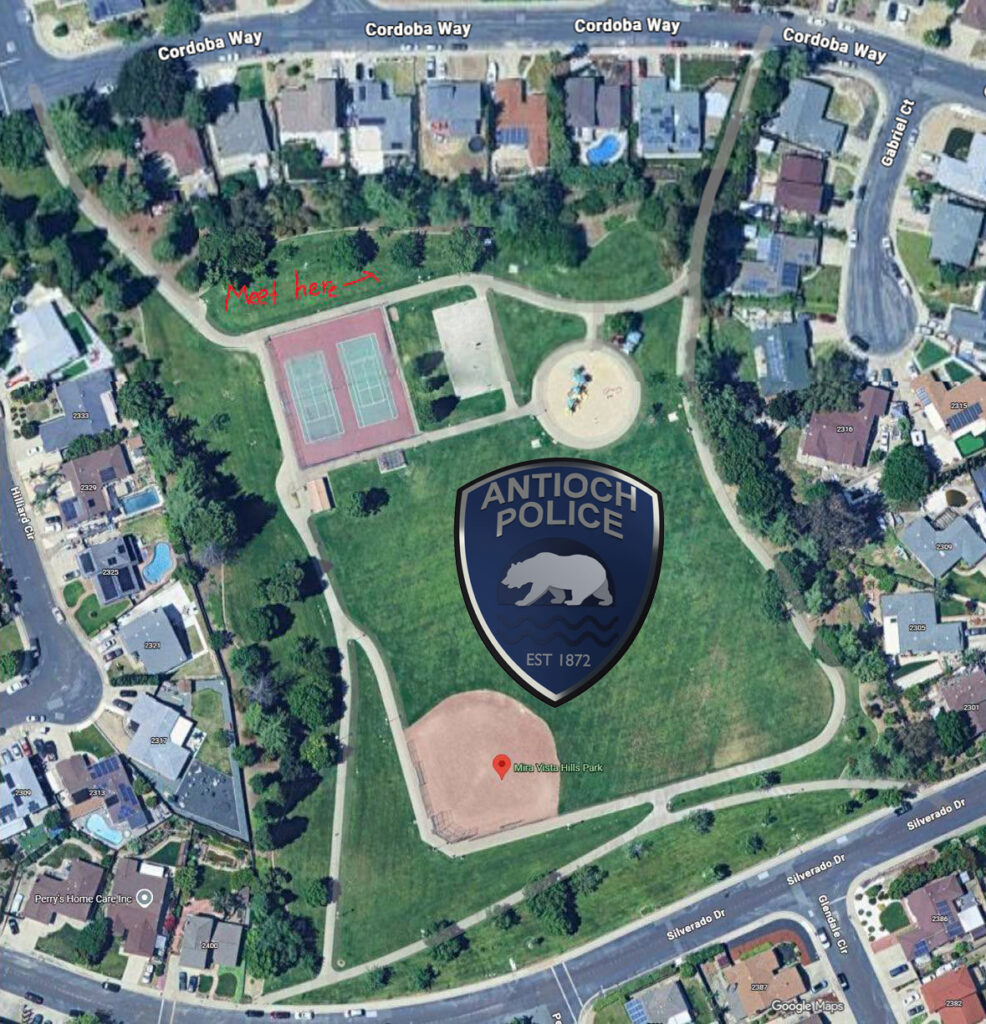
We will be holding a Neighborhood Watch meeting on Tuesday June 30th at 5:00 p.m. at Mira Vista Hills Park near the tennis courts off Cordoba Way. During the meeting, we will provide updates and discuss any issues or concerns. We encourage you to attend, as this is a valuable opportunity to ask questions, receive helpful information, and engage directly with your Police Department.
Neighborhood Watch is a crime prevention program which enlists the active participation of citizens in cooperation with law enforcement to reduce crime in their communities:
Neighbors working together for mutual assistance
Recognizing suspicious activities or people in your area
Implementation of crime prevention such as home security, night patrols, etc.
Report code violations, unsafe street conditions, or other issues that degrade the quality of life in your area
Keep your block clean and free of graffiti
Provide a safe environment for you, your children, and/or your pets
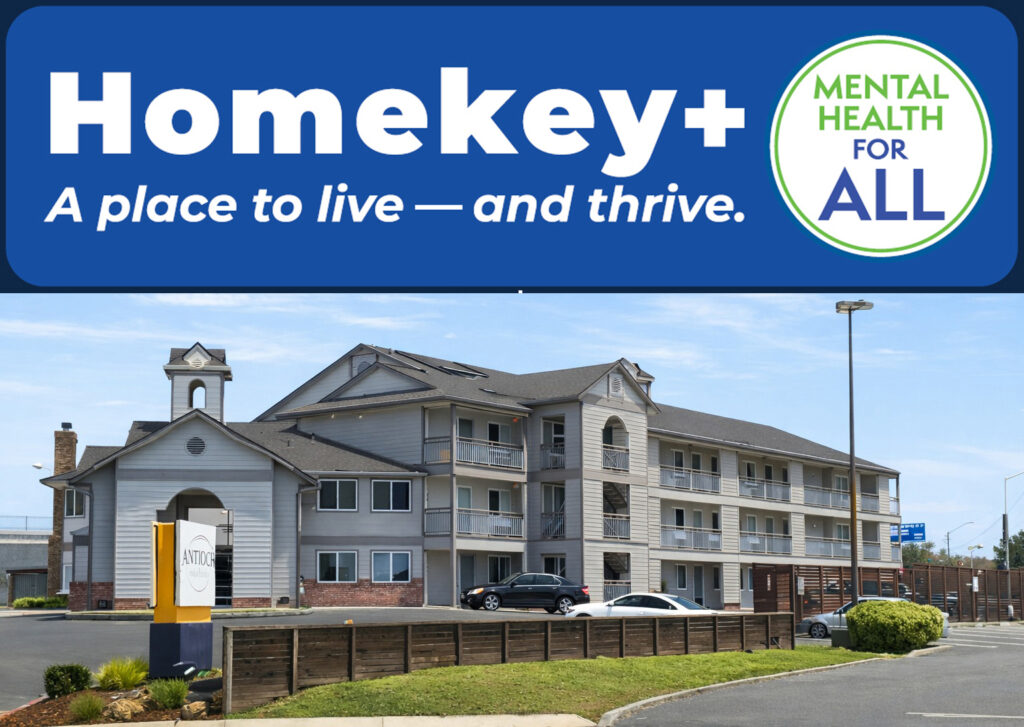
The former Comfort Inn, now Antioch Inn & Suites, is being considered for the Homekey+ program to house the homeless at a cost of up to $1.2 million per year. Photo courtesy of Mike Barbanica
Before deciding to accept or reject State Homekey+funding
City staff answer councilmembers’ questions; can only use 15% of CDBG funds to cover the up to $1.2 million annual commitment
By Allen D. Payton
As agreed to during their meeting this past Tuesday, June 23, 2026, the Antioch City Council will hold a study session Monday, June 29th, to discuss and get questions answered regarding the State Homekey+ funding for the Mahogany Housing Project at the Antioch Inn & Suites, formerly Comfort Inn. It will help the council members determine whether they will vote to accept or reject the $34.9 million grant at their next regular meeting on July 28th.
The City would have to commit an initial $750,000 already included in next year’s budget, plus, up to an additional $1.2 million per year for the next five for $6.75 million total and as many as 15 years for a total City commitment of $18.75 million. The State and City funds will provide for the acquisition and rehabilitation of the hotel on Mahogany Way, for approximately 84 units of permanent supportive housing.
On average, the state and city funds combined would total $41.75 million or about $500,000 per unit over the first five years and approximately $54.4 million or $640,000 per unit over the full 15-year period.
However, Mayor Pro Tem and District 3 Councilman Don Freitas asked if the other 40 rooms would still be rented for public hotel accommodations. Another question asked by District 2 Councilman Louie Rocha, that City staff did not have an answer for, was what would happen if a future council chooses to not continue the program. Those are just two of the questions the council members want answered before they vote.
As previously reported, following Council direction at their meeting on May 22, 2025, the City applied for the Homekey+ funding. “The project application assumes ongoing operating assistance averaging approximately $1.2 million annually during the initial five-year period,” for a total of an additional $6 million. “If such funding levels were maintained over the full fifteen-year period, the total potential City contribution could be approximately $18.75 million, from the General Fund.”
“The City would receive the benefit of approximately $34.9 million in State Homekey+ funding,” awarded in May, 2026, “for acquisition and rehabilitation of the project. The City would assume ongoing administrative, monitoring, and compliance responsibilities associated with participation in the program.”
“While the City was a co-applicant and recipient of the award, the City has not executed the Homekey+ Standard Agreement with HCD and has not formally accepted the grant funds. Because the…Agreement has not been executed, the City currently has no contractual obligation to participate in the project. The City would not assume the reporting, compliance, monitoring, or administrative responsibilities associated with the Homekey+ Program.” However, if the Council declines the grant funds, “the City could experience reduced competitiveness for certain future discretionary housing funding opportunities.”
Staff Answers questions
In the City staff report for the item, SM-1 on the agenda, they answered a variety of the council members’ questions.
HOMEKEY+ AWARD STATUS
The project received a conditional award in March 2026. The Acceptance of Terms was signed by both the City and CSH on March 17, 2026.
The award letter indicates that the representations made in the application are the basis for the award. HCD has been preparing the Standard Agreement, which is the final contract document for the award. The Standard Agreement has not been presented to the City as of the writing of this staff report.
HCD TIMELINES & PROJECT MILESTONES
“One of the primary questions raised by Council was related to timelines required by HCD. To staff’s knowledge, there does not appear to be an immediate concrete deadline.
“However, HCD described a series of project milestones tied to the award letter, Standard Agreement, construction, rehabilitation, and lease-up schedule. The longer the City delays execution and project advancement, the more difficult it becomes for the project to meet the milestones contemplated in the award and the Homekey+ Notice of Funding Availability (NOFA). Homekey+ is designed to support the relatively rapid development of permanent supportive housing, and HCD expressed concern regarding the amount of time that has passed since issuance of the March 2026 conditional award.
In simple terms, staff understands the timeline issue as follows:
The City has received a conditional award.
The acceptance of award terms was signed.
HCD is preparing or has prepared the Standard Agreement.
Project milestones are tied to execution and project delivery.
Delay does not automatically terminate the award today, but continued delay increases risk to the award and project schedule.
PROJECT CONFIGURATION & UNIT COUNT
“The existing Comfort Inn currently contains 123 hotel rooms. Under the proposed Homekey+ project, the property would be rehabilitated and reconfigured into a total of 85 residential units, consisting of 84 permanent supportive housing units and one on-site manager’s unit. The reduction in the total number of units does not represent unused space or hotel rooms that would continue operating for transient lodging. Rather, the rehabilitation combines multiple existing hotel rooms to create larger, code-compliant residential units while also incorporating the infrastructure necessary for permanent supportive housing, including kitchenettes, accessibility improvements, property management offices, supportive service and case management offices, community gathering space, laundry facilities, recreation areas and other resident amenities.”
PROPERTY STATUS & REPORTED LOAN DEFAULT
The staff report also shares, “Council and members of the public raised concerns regarding news reports that the
property is associated with a loan default. Since the June 23, 2026, City Council meeting, staff has received additional information directly from the lending institution regarding the status of the loan.
“According to the lender, while a Notice of Default has been filed against the property, there is currently no foreclosure or trustee sale scheduled. The lender advised that it is actively working with the property owner to facilitate the sale of the hotel for the Homekey+ project and is aware that the California Department of Housing and Community Development (HCD) has awarded funding for the project. The lender further indicated that it will work cooperatively with the borrower, project partners, and the City to facilitate the transaction and is aligned with HCD’s project timeline.”
POTENTIAL FUNDING SOURCES FOR ONGOING HOMELESS SERVICES:
The staff report also offers some other funding sources for homeless services. However, one source can’t be used, and the City can only use 15 percent of its annual Community Development Block Grant funds, which was suggested by District 1 Councilwoman Tamisha Torres-Walker.
“During Council discussion, questions were raised regarding whether existing City, State, or Federal funding sources could be used to offset the potential ongoing operating commitment associated with the Homekey+ project. Staff evaluated several potential funding sources and summarized the findings below.
“Staff evaluated several existing funding sources to determine whether they could realistically offset the City’s projected operating commitment. While each funding source could potentially contribute to project operations, each carries statutory limitations or would require significant reductions to existing programs currently serving Antioch residents. Accordingly, none of the identified funding sources currently provides a complete replacement for the projected operating subsidy without corresponding impacts to existing City priorities.”
Housing Successor Funds
“The City currently allocates approximately $500,000 annually in Housing Successor funds toward homeless services, subject to available fund balance…these funds are expected to remain available for approximately two to three additional years.
“Redirecting the entire annual homeless services allocation to support Homekey+ operations would require discontinuing or significantly reducing programs currently serving approximately 2,688 homeless and at-risk Antioch residents through eight community-based organizations. It would also eliminate or significantly reduce funding for tenant-landlord mediation, eviction prevention, emergency rental assistance, legal services for tenants facing eviction, and a City staff position currently dedicated to housing services.”
Community Development Block Grant (CDBG)
“Federal regulations limit CDBG public service expenditures to 15 percent of the City’s annual allocation. Based on recent grant awards, this equates to approximately $127,500 annually, although the amount varies each year.
“Using the City’s entire public service allocation for Homekey+ operations would eliminate funding for the City’s competitive public service grant program during that funding cycle, affecting approximately 13 nonprofit organizations currently serving at least 1,655 Antioch residents, including programs supporting seniors, individuals with disabilities, youth, victims of abuse and other vulnerable populations. Additionally, such a change would require a Substantial Amendment to the City’s HUD Consolidated Plan, completion of a federal public participation process, and would not be available until the next funding cycle.
Permanent Local Housing Allocation (PLHA)
“The City receives approximately $350,000 annually through the State’s Permanent Local Housing Allocation (PLHA) Program. State requirements dedicate a significant portion of these funds to housing rehabilitation, first-time homebuyer assistance, accessory dwelling units, and administration. Approximately 55 percent of the annual allocation (roughly $190,000 annually) could potentially be directed toward homelessness-related activities through the City’s next five-year PLHA planning process.
“However, redirecting these funds would require reducing or eliminating other housing priorities currently supported through PLHA, including affordable homeownership assistance and housing rehabilitation programs. Any change would require HCD approval and completion of the City’s next required five-year planning process.
“Staff also evaluated whether the HUD Section 108 Loan Guarantee Program could be used to finance ongoing Homekey+ operations. Section 108 is intended to finance capital improvements, including housing acquisition and rehabilitation, public facilities, infrastructure improvements, and economic development projects. It is not an eligible funding source for ongoing supportive services, staffing, case management, or annual operating expenses. As a result, Section 108 could potentially support future capital improvements but cannot be used to fund the City’s proposed operating commitment associated with the Homekey+ project.”
QUESTIONS RAISED BY COUNCIL AND STAFF RESPONSE SUMMARY
1. Is the award final or conditional? Not yet. HCD has issued a conditional award of $34.9 million and the project has advanced beyond the application stage. However, the project is not yet fully finalized because the Standard Agreement has not been fully executed and other program requirements must still be satisfied before grant funds may be disbursed.
2. Has the City already accepted the award? The City previously executed and returned the Conditional Award Acceptance acknowledging the terms and conditions of the award. HCD has confirmed that this document does not, by itself, obligate the City to execute the Standard Agreement or proceed with the project. Execution of the Standard Agreement remains the action that commits the parties to the grant.
3. Does the City have to pay $1.2 million immediately?
No. The operating subsidy is tied to project operations and is not expected to begin until the project is operational, currently anticipated in 2027.
4. What happens if the City declines? If the City elects not to execute the Standard Agreement, HCD would likely rescind the Homekey+ award and the current project would not proceed under this funding allocation. HCD has advised that declining an award could be considered during evaluation of future competitive funding applications; however, any effect on future scoring would depend on the specific funding program and evaluation criteria in place at that time.
5. How does the current loan default affect the project? Based upon discussions between the City’s legal counsel, project representatives, and parties associated with the existing financing, the reported loan default appears to involve the current property owner rather than the Homekey+ project itself. While it may affect the timing or structure of the acquisition, HCD has advised that acquisition through foreclosure, receivership, negotiated purchase, or other lawful means may still be possible. The developer continues to evaluate acquisition options with the lender and trustee.
6. Is this a loan? No. HCD described Homekey+ as a grant program. The City’s obligation is related to its role as co-applicant, payee, and proposed local contributor.
7. Who receives and administers funds? HCD indicated the City is required to be the payee. Specific disbursement controls may be established through escrow or other approved structures.
8. Who gets housed? Residents would be referred to through approved eligibility and referral systems, not through open walk-in access. The final tenant selection and referral process must comply with Homekey+, fair housing, and coordinated entry requirements.
9. Can Antioch residents be prioritized? This requires additional legal and programmatic clarification. County partners have indicated that some projects have used lawful local targeting approaches, but final structure must comply with fair housing and funding requirements.
10. What public safety measures will be in place? The final operations plan should include property management, staffing, service coordination, resident expectations, security protocols, and coordination with APD and County partners.
A Closed Session beginning at 6:00 p.m. will be held to again negotiate contracts with City employee groups who have been working without one since last fall including the Management Unit, Operating Engineers Local Union No. 3, Confidential Unit, Antioch Police Officers Association and Antioch Police Sworn Management Association. The study session will begin at 6:30 p.m. inside the Council Chambers at City Hall, 200 H Street in Antioch’s historic, downtown Rivertown. It can be viewed livestream on the City’s website or the City’s YouTube channel.
Longest continuous, non-motorized coast-to-coast relay in world history begins July 1st in California
By Dave Whitson, Director, 250 Relay, American Discovery Trail Society
Starting next Wednesday, July 1st, the American Discovery Trail Society (ADTS) celebrates the outdoors and 250 years of our independence with the American Discovery250 Relay— a 6,800-mile (11,000 km) journey along the entire American Discovery Trail from California to Delaware. This event will be the longest continuous, non-motorized relay in world history. Participants will carry specialized batons carrying a replica of the Declaration of Independence. (See related article)
Source: American Discovery Trail
The FIRST WEEK highlights are as follows:
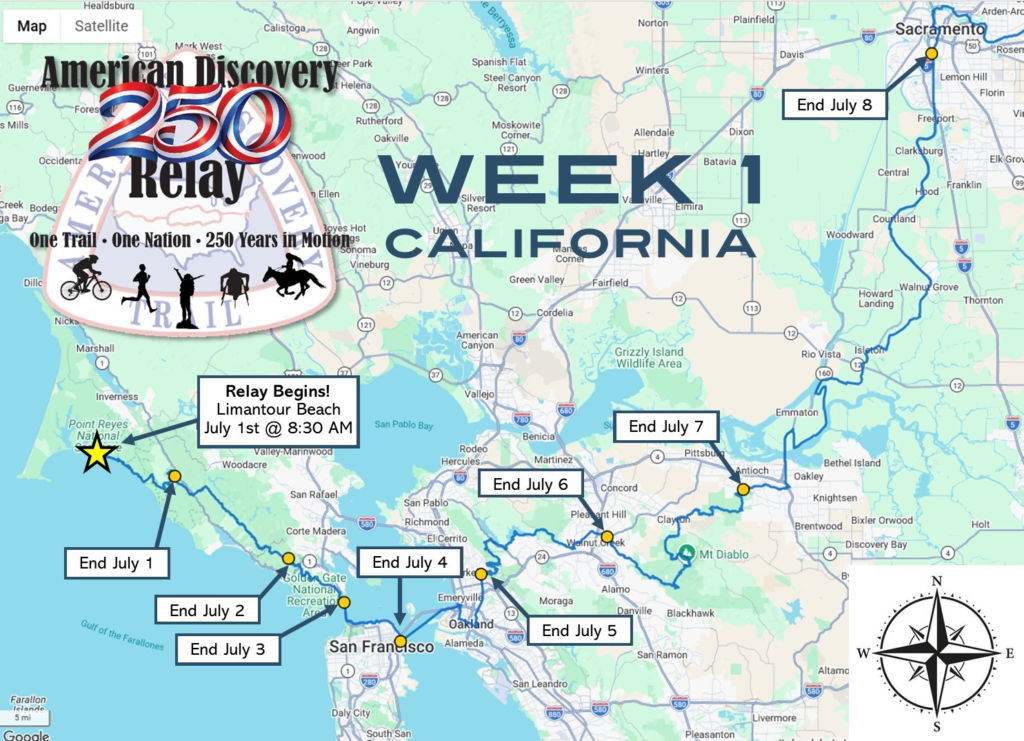
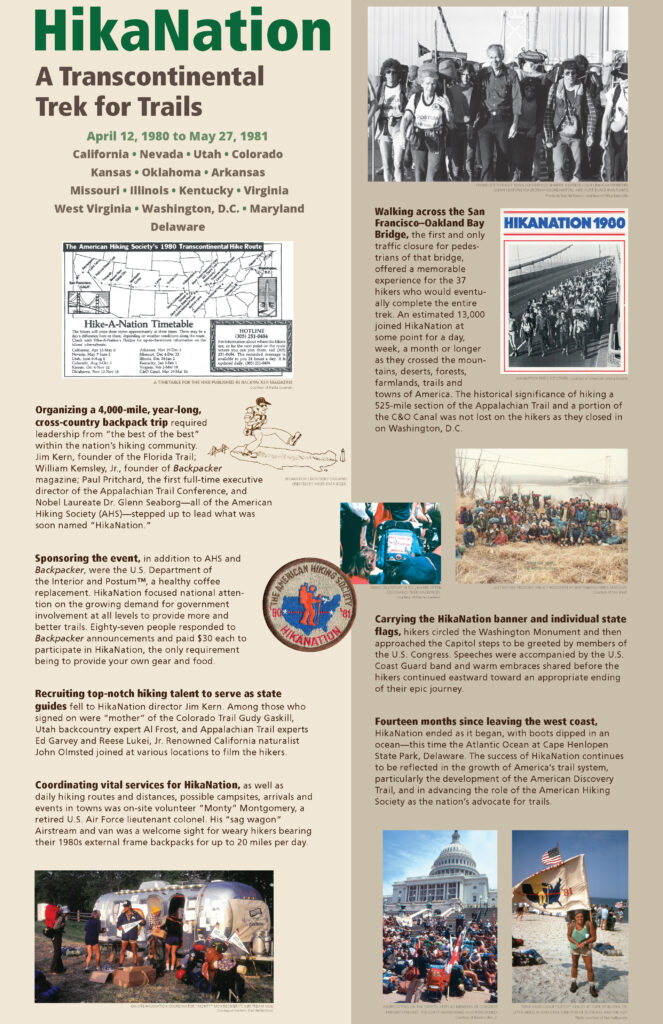
Wednesday, July 1st: Relay begins at Point Reyes National Seashore at Limantour Beach. Members of the 1980-81 HikaNation event will be on hand to help start the relay. This event inspired the establishment of the American Discovery Trail, and details can be found in the attachment, below. The relay will start at 8:30 AM PT.
Saturday, July 4th: The Relay crosses the Golden Gate Bridge. A July 4th party hosted by Pier 39 takes place from 11AM to NOON.
Monday, July 6th UC Berkeley, CA to Heather Farms Walnut Creek, CA. Start time: 8AM
Tuesday, July 7th: Heather Farms Walnut Creek, CA to Antioch Community Park, CA. Start time: 8:30AM
Tuesday, July 7th: City of Clayton Welcome. Noon to 1PM. Contact Chris Karney, chrisk@claytonca.gov or 925-943-2680.
Wednesday, July 8th: Antioch Community Park, CA to Sacramento – William Land Park, CA. Start time: 7:30AM
Wednesday, July 8th: City of Oakley Welcome. Time TBA. Contact Troy Faulk, Faulk@ci.oakley.ca.us or 925-625-7038.
Wednesday, July 8th: Yolo County Welcome. Noon to 1PM. Contact Terry Selk, terry@visityolo.com or 530-297-1900
Interested participants or teams are asked to register for FREE at discoverytrail.org/america-250-relay. Runners, cyclists, hikers, wheelchair users and horseback riders are all encouraged to take part. We also encourage interest from those who wish to help with logistics, welcoming events or sponsorships.
About the American Discovery Trail
The American Discovery Trail is the nation’s first non-motorized coast-to-coast trail. It runs for 6,800 miles through 15 states and Washington, D.C. The route incorporates numerous local, state, and national trails, with most of them designed for walking, hiking, and running and for bicycle and equestrian use. It connects scores of scenic and historic trails, backcountry roads, national parks and forests plus thousands of state and local properties of historic, cultural and natural significance. Users can experience their local environment, or the 23 ecosystems the trail passes through – deserts, mountains, forests, waterfronts, and plains. You can learn more about the ADT by visiting www.discoverytrail.org.