







Archive for the ‘Children & Families’ Category

21st Annual Swim Across America – SF Bay Area Open Water Swim Sept. 12

Saturday, September 5th, 2026
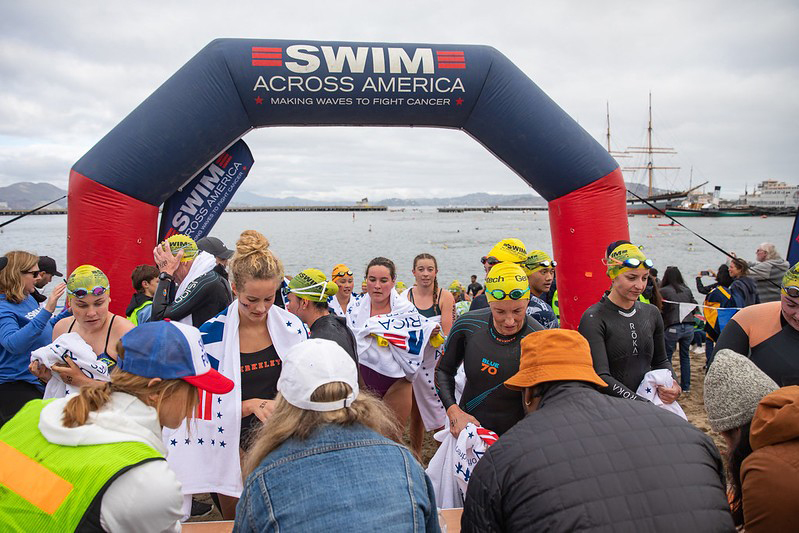
Photo: Swim Across America

More than 500 swimmers, volunteers and supporters expected

Over $7 million raised by Bay Area Swim to support pediatric cancer research and survivorship programs at UCSF Benioff Children’s Hospitals

By Jenifer Howard, Swim Across America – San Francisco

Swim Across America, the national nonprofit organization that makes waves to fight cancer through charity swims across the U.S., will host the 21st annual Swim Across America – San Francisco Bay Area Open Water Swim on Saturday, September 12, 2026. The iconic 1.5-mile point-to-point swim starts at Little Marina Green, 3650 Yacht Road, in San Francisco, and finishes in Aquatic Park. Swimmers, volunteers and kayakers are invited to participate and help raise funds for pediatric cancer research and patient care supporting the swim’s beneficiary UCSF Benioff Children’s Hospitals in Oakland and San Francisco. Those who cannot participate in person can still make waves to fight cancer through SAA My Way, Swim Across America’s virtual option. To register, volunteer or donate, visit swimacrossamerica.org/sanfrancisco.
Established in 2006, Swim Across America – San Francisco Bay Area has granted more than $7 million to support the UCSF Benioff Children’s Hospitals’ Oakland Research Institute and the UCSF Benioff Children’s Hospital San Francisco Survivors of Childhood Cancer Program. Each year, the charity swim brings together more than 500 swimmers, volunteers, spectators and supporters, along with Olympians and other special guests, for one of the Bay Area’s most memorable open water events.

“For 20 years, this community has shown what can happen when individuals take something they love — swimming — and turn it into a way to help families facing cancer,” said Laura Hovden, co-event director of Swim Across America – San Francisco Bay Area. “More than $7 million has gone directly to our local UCSF programs because swimmers, volunteers, kayakers, donors and teams keep showing up year after year. Our swim is about coming together, making waves and giving patients more hope and researchers more funds to make a difference.”

Few embody that commitment more than longtime swimmer, former San Francisco event director and three-time cancer survivor Susan Helmrich, captain of Team Susan Survives and one of this year’s leading fundraisers.

This year marks 49 years since Susan Helmrich’s first cancer diagnosis. She was just 21 years old when she was treated at Memorial Sloan Kettering Cancer Center in New York. Her second cancer diagnosis came 28 years ago. In 2009, she faced cancer for a third time and underwent a 6½-hour Whipple procedure for neuroendocrine pancreatic cancer, followed by 23 days at Stanford Hospital.

Through it all, Susan has made raising money for cancer research a central part of her life. Throughout the years, Team Susan Survives has raised more than $1 million for local pediatric cancer research programs. As Susan approaches her 71st birthday, she has set an ambitious goal for this year: recruit 71 swimmers, kayakers, runners, cyclists, yogis, dancers, hikers, walkers and other supporters to Team Susan Survives and together raise $171,000 through the open water swim and SAA My Way.

“I am honored and proud to have survived cancer three times, and I want nothing more than to have anyone who ever gets a cancer diagnosis have the chance to live and survive as I have,” Susan said. “As the years go on, I realize that I am committed more than ever to raising money to help investigators, researchers, physicians and support services find a cure for cancer in our lifetime.”

Susan Helmrich is also swimming in memory of her mother, Edna Helmrich, who passed away in 2019 at age 92 and was herself a 53-year breast cancer survivor.

“She was my role model and my hero,” Susan said. “This year, I’m hoping that friends, old and new, from near and far will join me and Team Susan Survives to raise money for pediatric cancer research at UCSF Benioff Children’s Hospitals in San Francisco and Oakland.”

Another team entering the San Francisco Bay this year will be carrying the memory of someone deeply loved.

Team Batt Bunch, also known as KeckCrewSF, is captained by Mike Keck and will swim in honor and memory of Brian Batt, husband of Rene and father of swimmers Amelia and Sarah Batt. The team has participated in Swim Across America for many years, but its fight against cancer became profoundly personal when Brian was diagnosed with cancer.

Even while undergoing treatment, Brian remained determined to be there for his daughters. He scheduled his treatment so he could travel to England when Amelia and Sarah participated in an English Channel relay in 2022, where Amelia had the honor of touching France for the team, and again for their Loch Lomond swim in 2024. During treatment, Brian continued showing up at Aquatic Park to cheer the girls on during their training swims. Brian succumbed to cancer in the fall of 2025.

“Brian fought with strength, courage and dignity, and he kept showing up for his family through all of it,” Mike Keck said. “For years, we swam with Swim Across America to fight cancer. Then that fight became very real for our family and our team. Brian is missed terribly, but we will carry on just like he did, and we hope what we do can help spare other families from experiencing that same loss.”

The money raised by swimmers such as Helmrich, Keck and their teammates is already helping scientists at UCSF pursue promising new approaches to pediatric cancer.

Julie Saba, M.D., Ph.D., a UCSF pediatric oncologist, cancer researcher and director of the Swim Across America-supported research laboratory at UCSF Benioff Children’s Hospital Oakland, leads research examining the genetic and metabolic drivers of childhood cancers. Her research team has identified important genetic drivers of neuroblastoma, a childhood cancer, and has shown that disrupting the gene’s activity can prevent neuroblastoma cells from forming tumors. This research could ultimately offer a new avenue for targeting cancers in which the AF1q gene plays a role. Swim Across America funding helped support this work.

Saba also leads the UCSF Benioff Children’s Hospital Oakland Swimmers, now in its eighth year participating in the San Francisco event.

“Without Swim Across America, I could not undertake the high-risk, high-reward studies that we believe hold benefit for the children and adults with cancer of tomorrow,” Saba said. “Nonprofit support of research is more important than ever.”

For Swim Across America – San Francisco Bay Area Co-Event Director Jackie NeJaime, the connection between the swimmers and researchers is what makes the event especially powerful.

“Our swimmers get to see exactly why their fundraising matters,” Jackie said. “Researchers like Dr. Saba are pursuing ideas that might otherwise struggle to get early funding, while our survivorship programs are helping young people long after their cancer treatment ends. When we swim from Little Marina Green to Aquatic Park, we know where the money is going and the impact this community is helping make.”

The event is also inspiring a new generation of swimmers to get involved.

Friends of Armada, captained by Julie Herson, returns for its third year with youth competitive swimmers from Albany Armada Aquatics Club. The team has already raised more than $17,000 during its involvement with Swim Across America and is working to raise even more this year for UCSF patients, physicians and researchers.

Also returning is UCSF Team Newborn, captained by Tom Shimotake, M.D., which will mark its 15th year participating in the San Francisco Bay swim. The team is made up of friends and supporters of the UCSF Benioff Children’s Hospital Intensive Care Nursery who share a commitment to fighting childhood cancer. Nearly one-quarter of pediatric malignancies are diagnosed during the first year of life, giving the team’s mission a particularly close connection to the patients its members serve.

Among the San Francisco community’s other leading fundraisers this year is Berkeley marathon swimmer Maya Merhige, who completed both the North Channel and Strait of Gibraltar this summer as part of her quest to complete the Oceans Seven. Merhige will be away at college on the day of the San Francisco swim but continues to raise funds for Swim Across America and its cancer research mission.

From cancer survivors to families swimming in memory of loved ones, young competitive swimmers and UCSF physicians and researchers, the September 12 swim will bring together hundreds with a shared goal: using the waters of San Francisco Bay to help create better outcomes for people facing cancer.

“Whether this is your first open water swim or you’ve been swimming in the Bay for decades, there is a place for you in this community,” Laura Hovden noted. “Swim, kayak, volunteer, create your own SAA My Way activity or support someone who is participating. Every person can help us make waves to fight cancer.”

Nationally, Swim Across America has raised more than $150 million for cancer research since its founding in 1987 and has helped fund clinical trials that contributed to the FDA-approved cancer immunotherapy medications Keytruda, Opdivo, Yervoy and Tecentriq. In the past year, Swim Across America funded a breakthrough clinical trial at Memorial Sloan Kettering that showed that immunotherapy alone could successfully treat certain types of cancer. The organization also recently awarded two first-of-its-kind gene editing innovation grants to the Alliance for Cancer Gene Therapy and Dana-Farber Cancer Institute, advancing novel CRISPR gene and base editing techniques used in targeted therapies, immunotherapies and cellular therapies. Swim Across America supports more than 60 cancer research projects annually, has eight named Swim Across America labs, and supports work at many of the nation’s leading cancer institutions.

For more information, to join as a swimmer, volunteer or kayaker, or to participate virtually or donate to Swim Across America – San Francisco Bay Area, visit swimacrossamerica.org/sanfrancisco.

Swim Across America, Inc. (SAA) is dedicated to raising money and awareness for cancer research, prevention and treatment through swimming-related events. With open water and pool swims in 27 communities across the United States – from Nantucket to under the Golden Gate Bridge – Swim Across America, along with the help of thousands of swimmers and volunteers nationwide, and past and current Olympians, is helping find better treatments and a cure for cancer through athleticism, community outreach and direct service. To learn more, visit swimacrossamerica.org.


Antioch to hold 7th Annual Big Truck Day Sept. 17

Friday, September 4th, 2026

By Antioch Recreation Department

With great success and back by popular demand, the brightest and loudest day of the year is here. The City of Antioch Recreation Department will host its 7th Annual Big Truck Day – a day that gives families and kids of all ages an opportunity to learn more about local companies and the large vehicles they use to keep our community safe and green. Enjoy food truck options brought to you by Foodie Crew, while you explore fire engines, school buses, tractors, and many more vehicles that help our city function.

Photos: City of Antioch

Explore BIG TRUCKS while learning more about our local organizations and companies behind them. Plus, enjoy delicious food truck options from Foodie Crew while you take in all the BIG excitement!

Thursday, September 17th

4:00pm – 8:00pm

Join us at the Antioch Community Center in Prewett Community Park | 4703 Lone Tree Way

Bring the whole family for a BIG day of learning, fun, and community connection!

If your company wishes to register vehicles or large equipment for this event: Fill out the Big Truck Day Application (PDF) and send completed applications via email to La’Nae Jackson.

View more photos from previous Big Truck Days!

Building community for caregivers at the Sycamore Police Substation

Thursday, August 27th, 2026

By City of Antioch

The Antioch Police Sycamore Substation is becoming more than a physical space — it’s becoming a place for connection, support, and community resources.

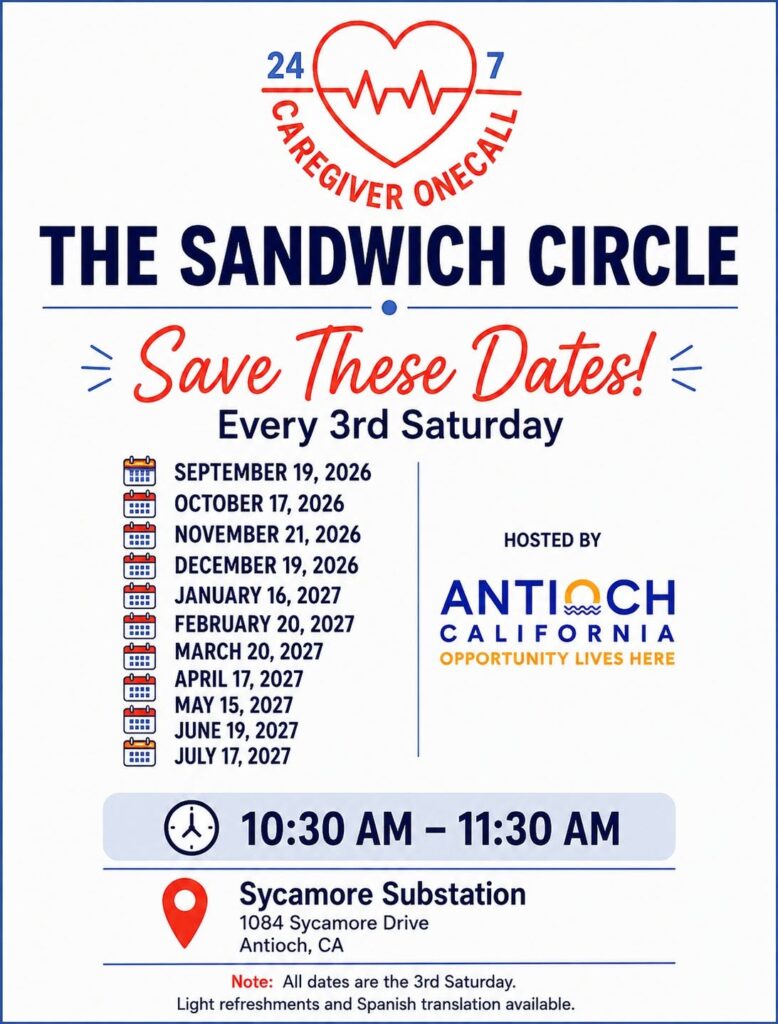
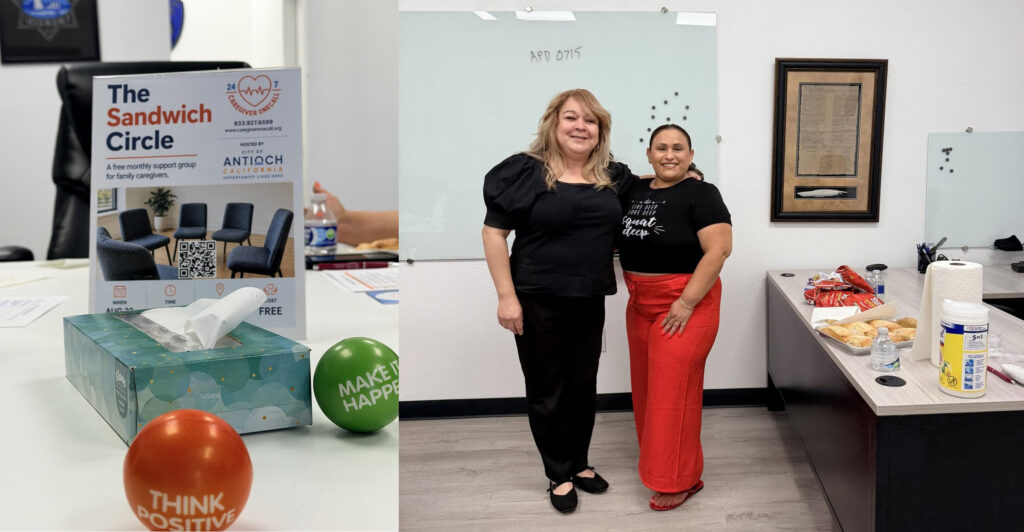
This past Saturday, CareGiver OneCall launched The Sandwich Circle, a free monthly support group for family caregivers and the first of several community partnerships being hosted at the Substation.

Flor Amaya and Claudie Niell at The Sandwich Circle inside the Antioch Police Sycamore Substation. Photos: City of Antioch

The program marks an important step in the City’s vision to activate the Sycamore Substation as a community hub, connecting residents in the Sycamore corridor with trusted organizations, services, and resources close to home.

We’re excited to see this space continue to grow and serve our community!

The Substation is located in Sycamore Square at 1084 Sycamore Drive near the corner of L Street in Antioch.

Antioch man among five arrested during multi-agency Internet Crimes Against Children operation

Thursday, August 27th, 2026
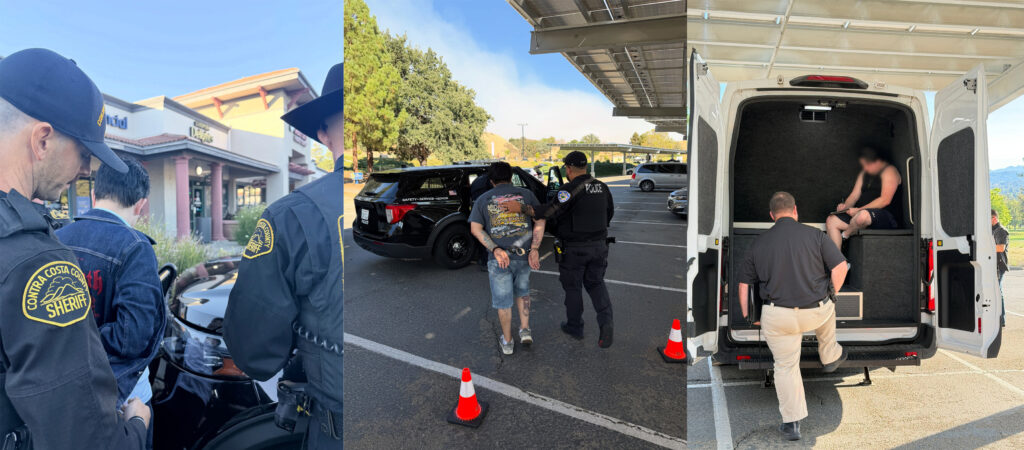
A child predator was arrested using drone technology during a recent ICAC operation. Photo & video screenshot: Walnut Creek PD

Four others are from Concord, Walnut Creek, Marin County & visiting from Germany

They came to meet a child. They met law enforcement instead.

By Walnut Creek Police Department

The Walnut Creek Police Department recently hosted a multi-agency operation with the Contra Costa County Internet Crimes Against Children (ICAC) Task Force, targeting adults who used social media to target children for sexual exploitation. Five adults traveled to Walnut Creek believing they were meeting a child. All now face charges including attempted lewd acts with a minor (PC 664/288(a)), contacting a minor to commit a sex offense (PC 288.3(a)), and arranging to meet a minor for sex (PC 288.4(b)).

5 arrests:

  • Billie Ray Breland, 29, Antioch (born 02/12/1997)
  • Andrew Garcia, 32, Concord
  • Rudolf Naused Robl, 42, visiting from Germany (born 07/04/1984)
  • Jacek Markiewicz, 67, Walnut Creek, also charged with attempted kidnapping
  • Taesu Park, 36, Marin County
Photos: Walnut Creek PD

The ICAC Task Force exists to identify predators before a real child is harmed, combining investigations, training, and victim support across our region. Operations like this one are the result of that work.

Thank you to our partnering agencies for their work on this operation: Contra Costa County Sheriff, Contra Costa County District Attorney, FBI San Francisco, Homeland Security Investigations, U.S. Secret Service, US Customs & Border Protection, Contra Costa County Probation Department, Moraga, Brentwood, San Ramon, Concord, Hercules, Pleasant Hill, Oakley and Menlo Park Police Departments, Contra Costa County MCTF, San Francisco Sheriff’s Office and Marin County DA.

Child predators arrested in Walnut Creek with the help of Contra Costa Sheriff’s Deputies. Photos: Walnut Creek PD

According to the Contra Costa County Sheriff’s Office, the five-foot, 11-inch tall, 237-pound Breland is Hispanic, was arrested on July 23rd and is being held in a Custody Alternative Facility on $50,000 bail. He’s also listed as White and as of Aug. 3, 2026, at 10:25 AM, he was released to Off Grounds Unsupervised Custody.


According to the Contra Costa County Sheriff’s Office, the five-foot, 10-inch tall, 200-pound Robl is Hispanic, but also listed as White, was arrested on July 26, is being held in the West Re-Entry Treatment and Housing facility on $475,000 bail. His next court date is scheduled for Aug. 28 at 8:30 AM in Martinez Superior Court Department 5.

According to localcrimenews.com, Park is a resident of Richmond and was charged with attempted kidnapping, attempted lewd acts with a child, attempting to contact a minor with intent to commit an offense, distributing or sending harmful matter to a minor by any means, and 288.4(A)(2) – Prior Conviction Enhancement. Every person who violates this subdivision after a prior conviction for an offense listed in subdivision (c) of Section 290, he Sex Offender Registration Act, shall be punished by imprisonment in the state prison.

Allen D. Payton contributed to this report.

White Pony Express Marks 32 Million Meals Milestone in Antioch with Drive-Thru Giveaway Celebration

Saturday, August 15th, 2026
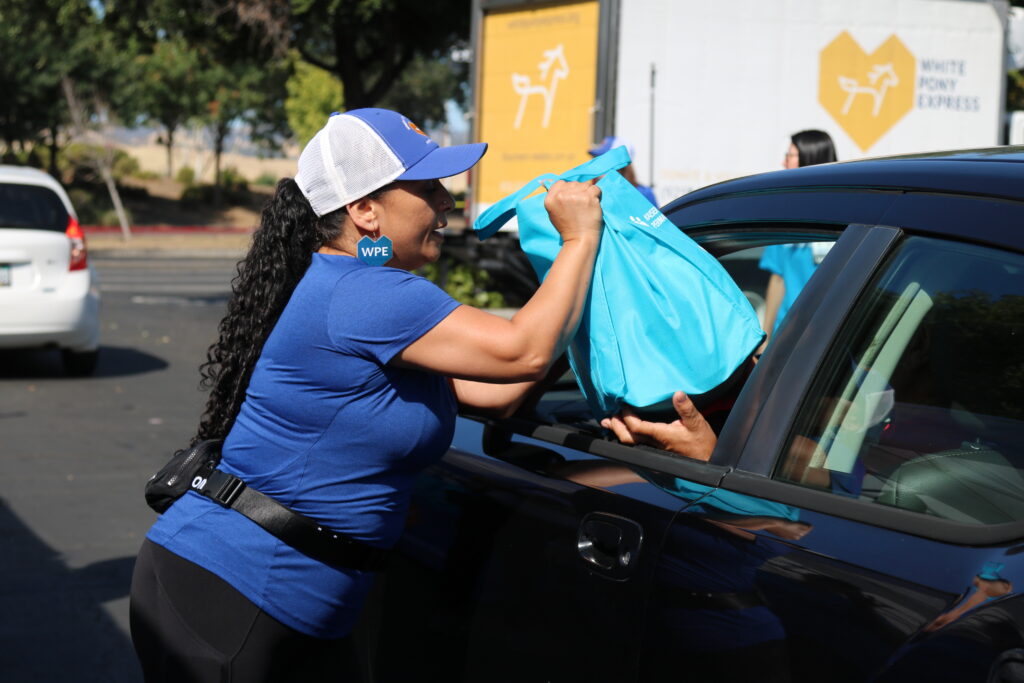
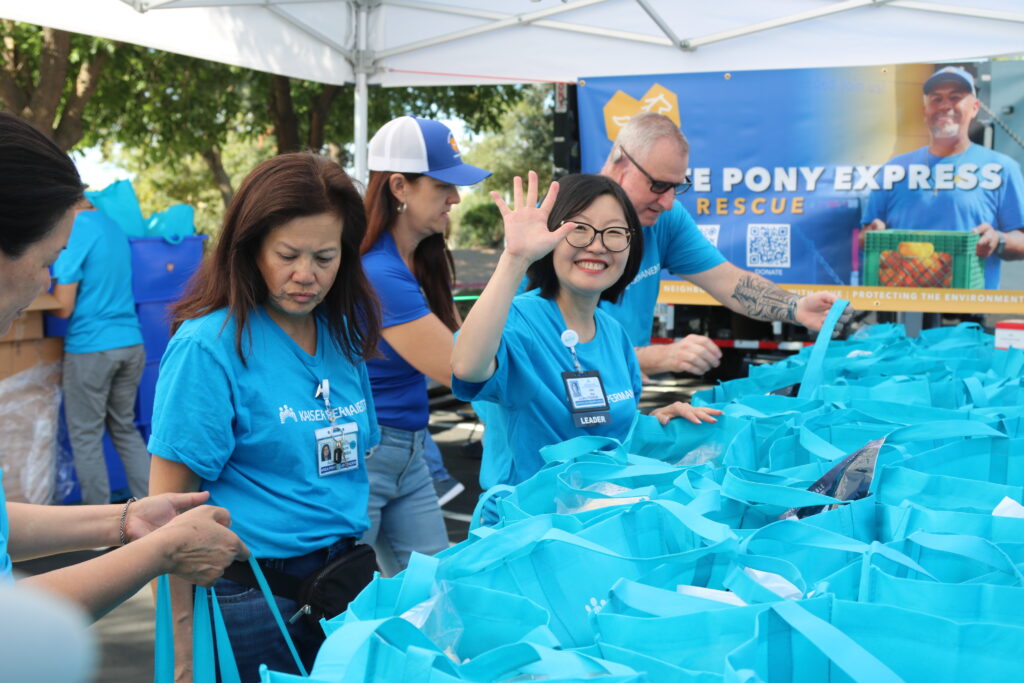
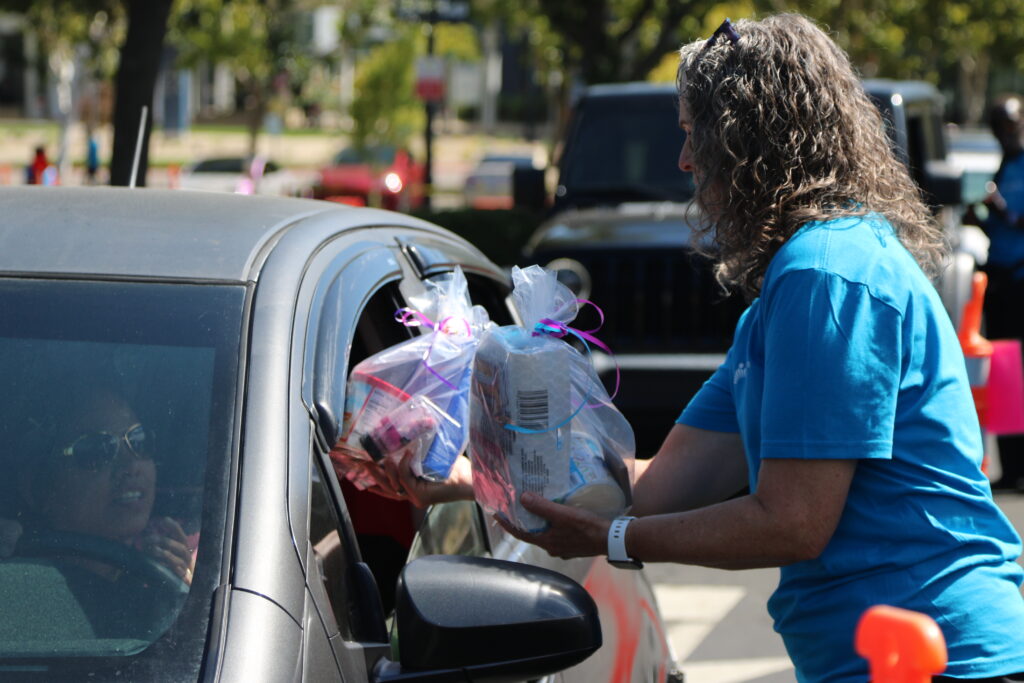
WPE Director of Operations Ana Bostick distributes groceries provided by White Pony Express at the Kaiser Permanente-partnered Drive-Thru Giveaway, August 1, 2026. Photos: WPE

By Trish Heaney, Marketing and Communications Manager, Steve Spraitzar, Public Relations, and Tyler McCarthy, Outreach Associate, White Pony Express

Bags of stuffed animals are ready to meet their new owners.

ANTIOCH, Calif. – White Pony Express (WPE) and Kaiser Permanente partnered to hold a Drive-Thru Giveaway Saturday on August 1, 2026, at Kaiser Permanente Antioch Medical Center, distributing groceries and essential goods to 200 local families while marking a milestone of 32 million meals rescued and delivered to Contra Costa County residents since WPE’s founding.

Families were connected to the event through 20 Antioch-based nonprofit partners served by WPE. Each family received two bags of fresh groceries along with hygiene kits, toys, children’s books, and treats. In total, WPE distributed 5,075 pounds of groceries and more than 2,500 hygiene and beauty kits and children’s gifts.

“Extraordinary things are possible when we commit to the shared belief that every one of us belongs to one human family and when one person thrives, we all thrive,” said White Pony Express CEO Eve Birge. “This drive-thru is more than a giveaway — it’s a celebration of a community showing up for itself, with love at the center.”

White Pony Express staff and Kaiser Permanente employees work side by side making sure every family is taken care of.

Antioch Mayor Ron Bernal, who attended the event, pointed to White Pony Express’s outsized role in the city.

“I didn’t realize Antioch gets the most food from White Pony Express out of the whole county,” Bernal said. “This is a great way to address not just food insecurity but having quality food for people — because that’s really the missing element.”

Antioch Councilmember Tamisha Torres-Walker, a longtime WPE community partner, echoed that sentiment.

“White Pony Express has always showed up and showed out and made sure our families had what they needed,” Walker said. “You bring White Pony Express together with Kaiser Permanente, you get two organizations that are caring for people in very practical ways to make sure their families are healthy.”

Families received hygiene items, birthday kits, toys, stuffies, and two bags of healthy groceries.

Events like the August 1st giveaway come as food insecurity continues to climb across Contra Costa County driven by CalFresh cuts, rising grocery and housing costs, and stagnant wages.

White Pony Express was founded on the idea that hunger is not caused by a lack of food, but by a failure to connect existing surplus with the people who need it. Each day, WPE’s staff and 2,000+ volunteers rescue fresh food and essential goods from local grocers, farms, and businesses and deliver it within 24 hours to families across the county — a model that allows the organization to scale and respond quickly as hunger grows more widespread.

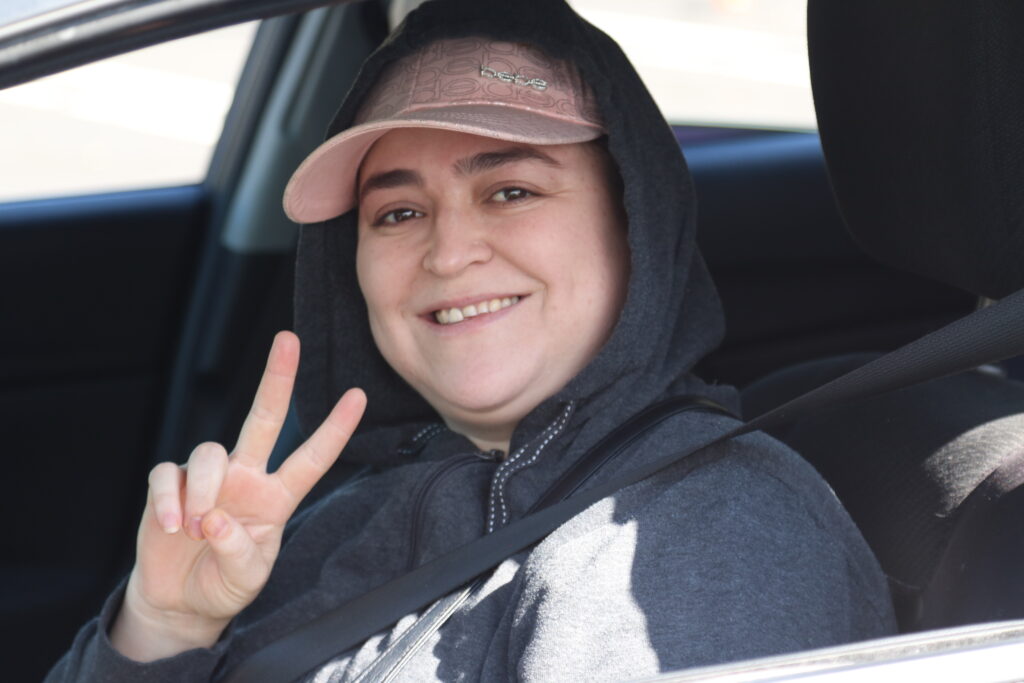
Smiles all around. An Antioch resident beams after receiving her gifts.

About White Pony Express

White Pony Express is a volunteer-powered 501(c)(3) nonprofit founded in 2013 by Dr. Carol Weyland Conner on a simple, radical belief: hunger is not a scarcity problem, it’s a logistics problem. Our mission is to end hunger and poverty by delivering the abundance already all around us to our neighbors in need — with love. Every day, WPE’s staff and 2,000+ volunteers rescue fresh, healthy food and essential goods from local grocers, farms, and businesses, redistributing it within 24 hours to families across Contra Costa County. To date, we’ve recovered and delivered more than 38 million pounds of food through partnerships with 140+ nonprofits, schools and faith-based organizations, guided by the mantra “all of us taking care of all of us”.

Proposed overhaul could fundamentally change Head Start. Here’s how

Saturday, August 15th, 2026
Bright Starts Center, a Head Start site in south Los Angeles, provides learning opportunities via play, meals and dual language instruction. Photos credit: Betty Márquez Rosales

Top Takeaways

  • Current regulations aim to ensure consistency across Head Start sites regardless of geographical location or other local factors.
  • The proposed changes would cut over 100 pages of regulations down to about 10 pages.
  • Federal officials say program quality would not be jeopardized; proposal’s critics say Head Start’s standards are what make it high quality.

By Betty Márquez Rosales, EdSource, republished with permission

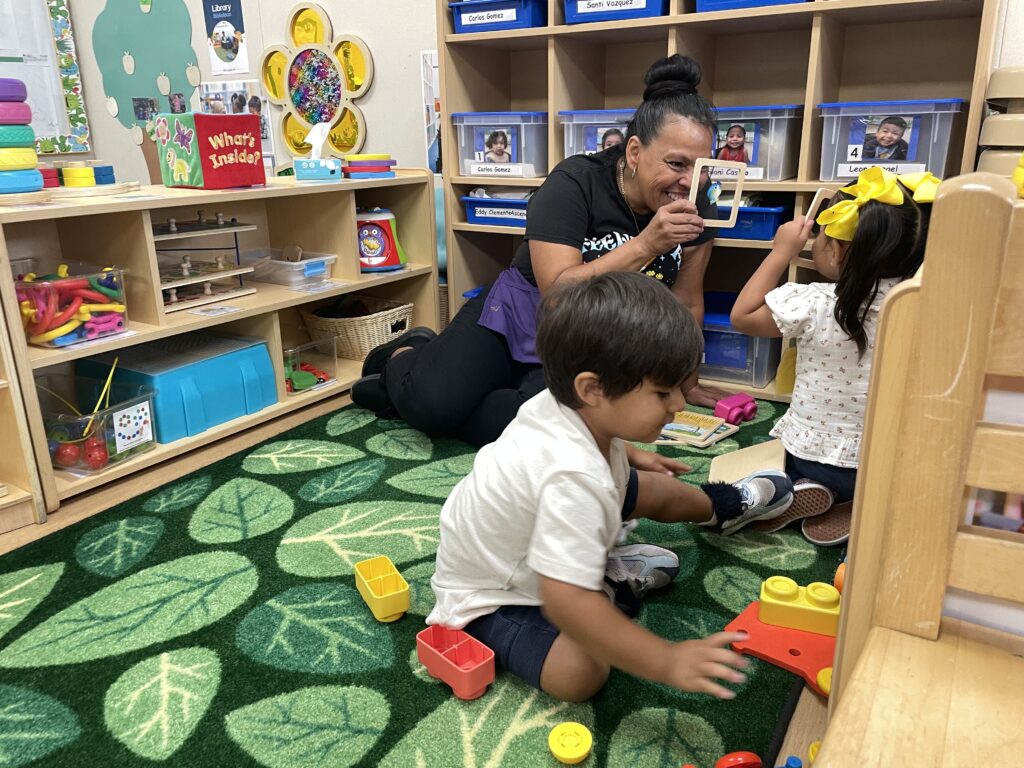
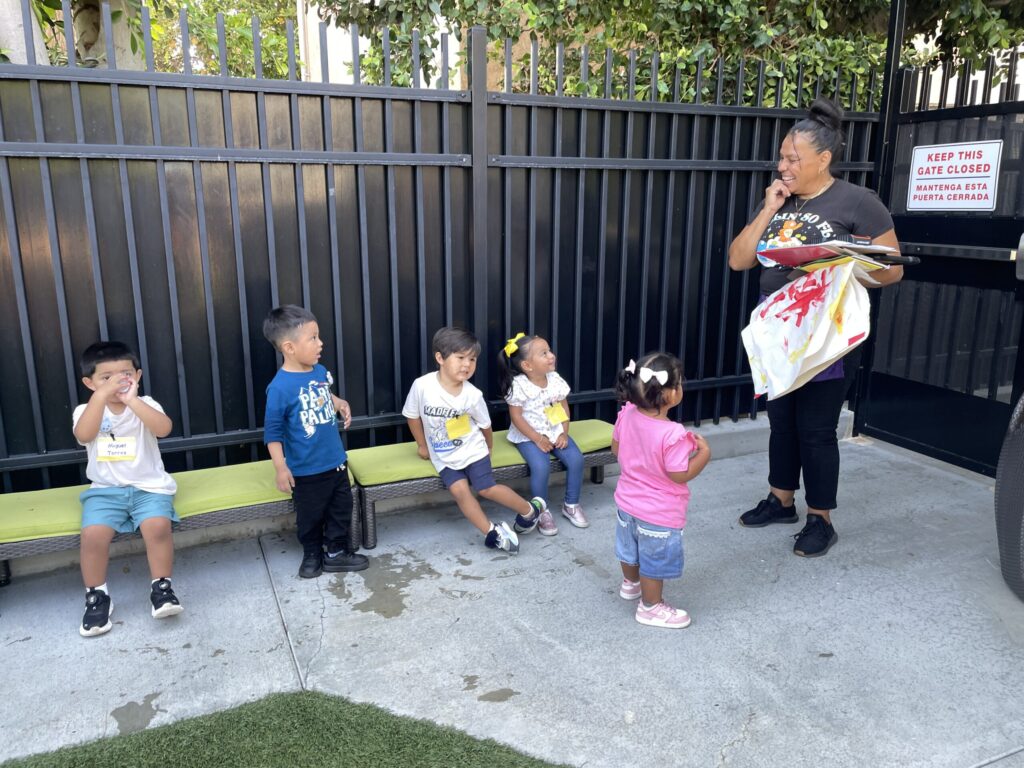
On a recent Thursday morning, 12 preschoolers at Bright Starts Center in south Los Angeles moved between Spanish and English as they cleaned up after painting and playing with blocks. They stretched before outdoor play and reviewed how to stay safe on the slide, at the water station and while riding bikes.

A teacher and assistant stayed with the children throughout the morning. A third adult prepared meals in the kitchen — mini banana loaf with apple, homestyle cheese pizza with mixed veggies and apple chips with a colby jack cheese stick.

The routines at Bright Starts illustrate the holistic approach toward educating children while caring for them that has defined Head Start for more than six decades. Federal rules set standards for staffing, nutrition, physical activity and services for children who are learning English, among other areas, with the goal of providing low-income children and their families with education as well as behavioral screenings, parent engagement opportunities and other support.

Now, the Trump administration seeks to dramatically reduce those federal regulations with a shorter set of rules, and give states and local programs more authority over how Head Start operates.

The proposal’s critics say it would cut down present regulations, over 100 pages long, to about 10 pages, and fundamentally change Head Start as it’s known now. The changes, if approved, would eliminate regulatory requirements governing classroom ratios, group sizes and services for children who speak languages other than English. It would also require English-only instruction.

The changes could theoretically add, according to federal officials, over 200,000 slots for children nationwide while reducing administrative costs. Federal officials say the changes would reduce administrative burdens, give programs greater flexibility and could allow Head Start to serve more children. Critics say the proposed changes could lead to lower quality and considerable variation from program to program, even within states.

Federal officials disagree. Lizbeth Casco White, director of the federal Office of Head Start, said in announcing the proposed changes that they would not “create a patchwork of standards” or compromise quality.

“Head Start would still exist, but it would not be Head Start as we know it and love it today,” said Melanee Cottrill, executive director of Head Start California.

“One-size-fits-all mandates from Washington cannot fully account for the realities facing more than 1,600 local grantees serving vastly different communities across America,” Casco White said. Her remarks echoed statements from Alex Adams, who leads the federal Administration for Children and Families that controls billions in childcare and preschool funding.

The proposed changes are subject to a 60-day public comment period. Hundreds of comments have already been submitted, and the administration must review public feedback before deciding whether to finalize the changes.

A child enrolled in Head Start at Bright Starts Center cleans his workstation after finishing a painting.

Critics say Head Start would fundamentally change

Federal officials have said that lower administrative burden and greater flexibility for local programs are, in part, why the regulatory changes must be made.

Luis Bautista, executive director of the Head Start and Early Learning Division at the Los Angeles County Office of Education, said reducing some administrative requirements could allow programs to spend more resources on children and families — but only if they do not risk quality.

“I think all of us who are in the program will welcome the opportunity to reduce any unnecessary administrative burden, especially when those changes allow us to spend more time serving children and families,” Bautista said. “But flexibility should never come at the expense of quality or safety or equitable access. And some of these proposed changes are going to actually impact all of those things.”

The L.A. County education office is the state’s largest Head Start grantee — teaching thousands of babies, toddlers and young children — and works with the Mexican American Opportunity Foundation, the nonprofit that oversees the Bright Starts Center.

While federal officials say the changes would give local programs flexibility, critics question how much discretion programs would have in practice if federal funding does not increase.

Head Start programs receive federal grants, and their budgets are tied to the number of children they are funded to serve, and the requirements attached to those grants. Cottrill, of Head Start California, said that could limit how much flexibility programs actually have.

Head Start programs are currently required to meet specific staff-to-child ratios.

“When we ask for that grant, we have to justify it. We can pay that many teachers because we’re required to. While the Office of Head Start is saying ‘you’ll have flexibility,’ they still have the ultimate say on those grants,” she said.

Cottrill said she fears that if the federal office requests local programs to serve more children without increased funding, the proposed changes could lead to reduced staffing or services to accommodate the additional enrollment.

“How do you do that? Well, you hire people who are less qualified. You give them more children. You cut services like toothbrushing and monitors on buses and all those wraparound things that make Head Start such a unique program that really creates positive results for those kids,” said Cottrill.

The Office of Head Start did not immediately respond to a request for comment.

Casco White of the federal Office of Head Start has said federal regulations are not what solely drive early education services like Head Start.

“Federal regulations establish minimum requirements. They do not define the ceiling of excellence,” she said in announcing the proposed regulatory changes.

The proposed changes come after months of uncertainty for Head Start, including a federal budget proposal that called for eliminating funding altogether. After opposition from Head Start’s advocates, Congress ultimately restored funding to roughly its previous level. Some local Head Start programs temporarily shut down because furloughed federal staff were not able to process grants during last year’s historic federal shutdown.

Five 2-year-olds enrolled at Bright Starts Center in Los Angeles at the end of outdoor activity time.

The Trump administration has pursued other changes to the program as well. In May, federal officials proposed removing certain wage and benefits requirements for Head Start staff, saying the move would “restore needed flexibility and autonomy to local programs” while reducing paperwork.

Most recently, in June, right-wing think tank The Heritage Foundation published a report outlining why Head Start should be deregulated “until officials end it.”

Back at Bright Starts, the children returned to their classroom after outdoor play, moving between Spanish and English as they settled into their next activity.

For now, the routines that shape their day remain in place — two adults in the classroom, time for physical activity, meals and snacks, and opportunities for children to learn English while maintaining their home language.

Whether those practices remain federal standards or are left to states and local programs to decide could depend on what happens next. If the changes are approved, legal challenges are likely, particularly in response to new requirements such as English-only instruction.

Bautista said the outcome should ultimately be measured by what happens to children in classrooms like Bright Starts.

“Will these changes improve outcomes for children?” he said. “I think we have to stay rooted in that.”

Betty Márquez Rosales is based in Los Angeles and covers juvenile justice, youth homelessness and other education topics.

Photo cutlines:

8. Bright Starts Center, a Head Start site in south Los Angeles, provides learning opportunities via play, meals and dual language instruction. Credit: Betty Márquez Rosales

9. A child enrolled in Head Start at Bright Starts Center cleans his workstation after finishing a painting.

7. Head Start programs are currently required to meet specific staff-to-child ratios.

4. Five 2-year-olds enrolled at Bright Starts Center in Los Angeles at the end of outdoor activity time.

Register today for Antioch NFL Flag Football

Wednesday, August 12th, 2026

For kids in grades 3-8; deadline extended to Aug. 17

By Antioch Recreation Department

The field is calling — there’s still time to GET IN THE GAME! NFL FLAG Football registration has been EXTENDED through August 17!

Calling all kids in grades 3–8 — grab your friends and get ready to run, catch, score, and HAVE FUN!  Whether you’re new to football or ready to show off your skills, we want YOU on the field!

Rookies (ages 8-10), All-Stars (ages 10-12), Champions (12-14)

DON’T MISS THE NEW DEADLINE: AUGUST 17!

Experience the speed, skill, agility and action of the gridiron without the contact associated with tackle football. This co-ed program will feature one 45-minute practice during the week followed by one 45-minute game on Saturday mornings. The goal of this program is to develop the skill of our young athletes while also exposing them to sportsmanship, teamwork and healthy lifestyles that so important to local youth; all while having fun. Each child receives their own NFL Flag Football Jersey and flag belt. Volunteer coaches receive a 50% discount from their child’s registration fee.

Register at AntiochCA.gov/Register

Don’t sit on the sidelines — LET’S PLAY!

Mandatory Evaluation schedule on Saturday 8/22 at Antioch Community Park: 3rd/4th grade 10:00 AM-10:45 AM -5th/6th grade 11:00 AM-11:45 AM -7th/8th grade 12:00 PM -12:45 PM.

If interested in coaching, please contact Sports Staff at (925) 776-3053 or sports@antiochca.gov.

11 ways to help kids start school strong

Friday, August 7th, 2026
Photos: Sutter Health

Advice from pediatric experts across Sutter Health on helping children and teens thrive this school year.

By Monique Binkley-Smith, Manager, Media Relations, Sutter Health 

The countdown to a new school year has begun. For many families, that means shopping for supplies, filling out forms and preparing for busy schedules. It’s also the perfect time to reset healthy habits.

Pediatricians across Sutter Health share 11 back-to-school tips to help children and teens stay healthy, focused and ready to learn.

  1. Start adjusting sleep schedules now

One of the biggest mistakes families make is waiting until the night before school starts to reset bedtime.

“As the school year approaches, it’s time to start adjusting your sleep routine,” says Dr. Dan Brennan, Greater Central Coast Children’s Service Line medical director with Sansum Santa Barbara Medical Group in Santa Barbara. “In the weeks leading up to the start of school, start moving bedtime up by 15 minutes a night until you get to the expected school-year bedtime.”

  1. Know how much sleep children really need

Adequate sleep helps regulate metabolism, maintain a healthy weight, promote positive mood and behavior, and support memory retention and mental alertness needed for academic success, says Dr. Jessica Tsai, with Sutter East Bay Medical Group in Antioch.

Dr. Rakhi Mehrotra, with Palo Alto Foundation Medical Group in Livermore, also recommends helping kids and teens stay on track by keeping the same bedtime and wake-up time every day, including weekends.

Drs. Tsai and Mehrotra recommend the following hours of sleep by age:

• Preschoolers: 10-13 hours daily, including naps

• Children age 6-12: 9-12 hours nightly

• Teens: 8-10 hours nightly

  1. Fuel kids for learning and growth

Healthy eating habits help children get the nutrients they need for energy, growth, focus and overall well-being, according to Dr. Mehrotra.

She recommends:

• Starting the day with breakfast

• Eating a variety of fruits, vegetables, whole grains, protein and dairy each day

• Choosing colorful fruits and vegetables throughout the week

• Filling half the plate with fruits and vegetables, one-quarter with whole grains and one-quarter with healthy protein

• Choosing healthy snacks such as fruit, yogurt, nuts, vegetables and whole-grain options

  1. Make water the beverage of choice

Hydration becomes especially important as children spend more time outdoors and return to sports.

“With kids outside more, we want to encourage families to provide as much hydration as possible, water being our first choice,” explains Dr. Brennan.

Sugary and caffeinated beverages should be avoided. Caffeinated beverages work against hydration and generally lead to more dehydration, he notes.

  1. Encourage kids to get moving

Physical activity supports both physical and mental health.

“Whether it’s organized sports, riding bikes, walking the dog or playing at the park, daily physical activity supports both physical and mental health,” says Dr. David Tejeda, with Sutter West Bay Medical Group in San Francisco.

For children interested in organized athletics, Dr. Brennan suggests recreational sports leagues and individual activities such as swimming, running, biking, gymnastics, and rock climbing.

  1. Avoid specializing in one sport too soon

Playing the same sport year-round may sound like a path to success, but pediatricians often see the downside.

“I discourage my pediatric patients from specializing in one sport too early,” emphasizes Dr. Brennan. “High-level athletes benefit from cross training that comes with playing a variety of sports.”

He notes that children who play one sport year-round can develop chronic overuse injuries.

  1. Prepare young athletes before the season begins

As children return to practices, tryouts and games, Dr. Anita Juvvadi, with Sutter West Bay Medical Group in San Francisco, encourages families to focus on the basics:

• Increase activity gradually before organized practices begin

• Stay hydrated throughout the day

• Prioritize consistent sleep

• Eat enough to support increased activity

“The body needs time to acclimate to new movement and sustained activity,” she says.

  1. Warm up the right way

Before sports and physical activity, Dr. Liang Xue, with Sutter East Bay Medical Group in Brentwood, recommends active, dynamic warm-ups rather than static stretching.

Dynamic warm-ups use movements such as jogging, skipping, lunges and arm circles to increase blood flow, raise body temperature and prepare muscles and joints for activity.

In contrast, holding static stretches before exercise may temporarily reduce strength and power. Saving static stretching for after activity, when muscles are warm, can help improve flexibility and support recovery.

  1. Protect growing bodies and brains

Protective gear matters, according to Dr. Brennan.

“A helmet when riding a bike, skateboard, or scooter can protect that precious brain, and don’t forget to buckle the helmet,” he advises.

He also cautions parents about e-bikes and electric scooters, which account for a growing number of serious injuries, emergency room visits and hospitalizations.

“When possible, skip the electric version and stick to good old-fashioned pedaling,” he says.

  1. Know the signs of concussion

As children return to school sports, parents should familiarize themselves with concussion symptoms.

Dr. Angela Lumba-Brown, a pediatric emergency medicine physician with Palo Alto Foundation Medical Group in Palo Alto, reminds parents to watch for:

• Worsening headaches

• Repeated vomiting

• Balance problems

• Seizures

• Neck pain

• Unusual behavior

“If a concussion is suspected, children should be removed from play and evaluated before returning to sports,” she says.

  1. Don’t forget vaccines and sun protection

The start of the school year is an ideal time to review routine immunizations.

“Vaccines save lives and keep children healthy by building immunity to many serious viral and bacterial infections,” advises Dr. Brennan.

He stresses the importance of families staying up to date on routine vaccinations and annual flu vaccines.

For outdoor activities, Dr. Yvonne Nicole Lee, with Palo Alto Foundation Medical Group in Santa Clara, recommends broad-spectrum sunscreen with SPF 30 or higher, hats, UV-protective clothing and sunglasses. Sunscreen should be applied 10 to 15 minutes before sun exposure and reapplied every two hours.

The Bottom Line

Healthy school years don’t happen by accident. Good sleep, nutritious meals, physical activity, hydration, injury prevention and routine healthcare all work together to help children learn, grow and thrive.