








Antioch Police Chief announces substantial compliance, release from US DOJ agreement
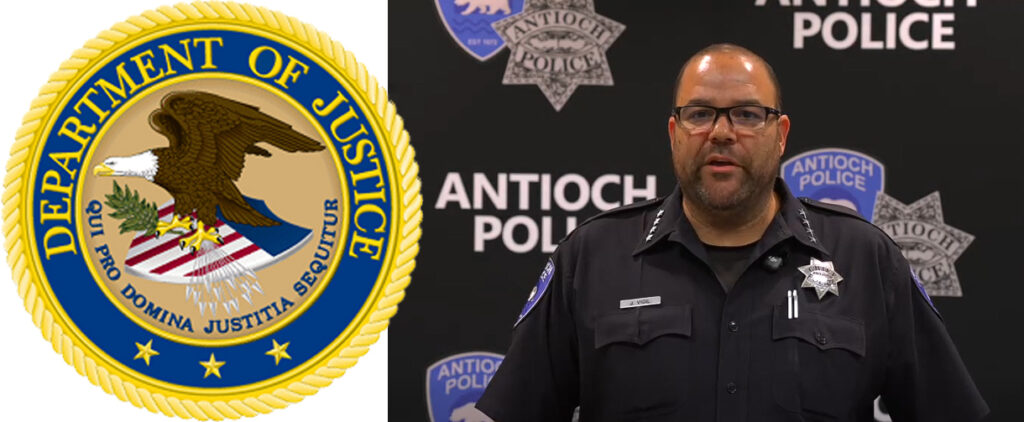
“Significant Progress Across the Department…A Milestone, Not an Endpoint”
“While this is an important achievement, our work doesn’t stop here.” – Chief Joe Vigil
By Chief Joe Vigil, Antioch Police Department
ANTIOCH, Calif. — The Antioch Police Department (APD) is proud to announce a significant milestone in its ongoing reform efforts: The U.S. Department of Justice (U.S. DOJ) has determined that APD has achieved substantial compliance with the requirements of its Memorandum of Agreement (MOA).
On September 30, 2026, the U.S. DOJ notified APD they were releasing them from the MOA. The DOJ advised APD they had achieved substantial compliance with its requirements. APD is no longer under federal oversight.
The MOA, signed January 2, 2025, established comprehensive requirements addressing constitutional and non-discriminatory policing, recruitment and promotions, data collection and analysis, misconduct investigations, language access, community engagement, accountability, oversight, and collaboration among City leadership, the Police Department, and community stakeholders.
As previously reported, the U.S. DOJ stated the agreement was intended “to resolve an investigation of race discrimination and other discriminatory conduct by APD officers against members of the public in Antioch.”
In addition, under the agreement, APD was required to “hire an expert law enforcement consultant jointly selected by the parties to review and update APD’s policies, procedures and training on a variety of topics, including non-discriminatory policing, use of force, hiring and promotions, investigations of misconduct, discipline, community policing, language access, and other topics.”
Furthermore, the MOA contemplated “a role for the Antioch Police Oversight Commission and sets forth a framework for data collection and reporting for a five-year period of departmental monitoring, among other provisions.”
Finally, according to the 25-page agreement, “This Agreement may terminate prior to the five-year date (‘Early Termination’) if the United States determines that the APD has substantially complied with each of the provisions of the Agreement and has maintained substantial compliance for at least twelve months, no sooner than three years from the Effective Date.”
The council was also provided semi-annual progress reports by APD.
In a video announcement posted on APD’s Facebook page today, Vigil summarized the matter. He said, “Throughout this process we’ve strengthened our policies and training, enhanced accountability and misconduct investigations, improved safeguards against biased policing and expanded our community engagement efforts. While this is an important achievement, our work doesn’t stop here. We remain committed to transparency, accountability, constitutional policing and earning the trust of our community, every day. We’ll also continue our work under the Allen Agreement and maintain independent oversight to help sustain this progress.” (See related article)
“Thank you to everyone who has been part of this effort. We’re proud of how far we’ve come and we look forward to continuing this effort, together,” he concluded.
Reaching this milestone reflects the work of APD personnel, City leadership, community partners, oversight stakeholders, and residents who contributed to the reform process.
Significant Progress Across the Department
Throughout the process, APD established and strengthened systems designed to promote accountability, consistency, and constitutional policing. Key accomplishments include:
- Accountability, policies and training: APD established a Compliance and Professional Standards Division and strengthened processes for policy implementation, training, supervision, auditing, and accountability. Policies were reviewed and updated with input from Department personnel, industry experts, and the Antioch Police Oversight Commission, and were submitted to and approved by the U.S. Department of Justice.
- Constitutional policing, hiring and investigations: APD revised its bias-based policing policy, implemented Principled Policing training, established processes to review racial disparities in police activity, and enrolled in the Active Bystandership in Law Enforcement (ABLE) program. The Department also strengthened hiring and promotional processes through standardized procedures, independent testing, external evaluators, professional panels, and community participation. Misconduct investigations were standardized and assigned to third party investigators to provide an additional level of independent review.
- Language access and community engagement: APD identified bilingual personnel, expanded access to translation resources, and implemented language-assistance tools, including live translation capabilities in more than 50 languages through updated body-worn cameras. The Department also established a community engagement unit and expanded partnerships with schools, youth organizations, businesses, faith-based institutions, and neighborhood groups. APD revamped its Neighborhood Watch program, developed a Youth Academy, and is working to re-establish its Cadet Program.
- Data, oversight, and continuous improvement: APD strengthened data collection and analysis and established processes for ongoing review of Department practices. These systems are intended to help sustain the reforms implemented through the agreement and identify opportunities for continued improvement.
These efforts build on work that began before the MOA was formally executed and have continued throughout the Department’s reform process.
A Milestone, Not an Endpoint
The U.S. DOJ’s determination of substantial compliance is an important milestone for APD and the Antioch community. It does not mean the work of maintaining these standards or earning community trust is complete.
APD remains committed to effective supervision, ongoing training, accountability, policy review, data analysis, and meaningful community engagement.
APD also remains committed to the Allen Settlement Agreement, which continues to require additional reform and accountability measures. The Department will continue building upon the constitutional policing practices established through this reform process.
Thank You to the Antioch Community
This milestone would not have been possible without the dedication of APD personnel, City leadership, the Antioch Police Oversight Commission, the independent monitoring team, community partners, and residents who participated in and contributed to the reform process.
APD recognizes that community trust is earned through consistent actions over time. The Department is proud of the progress made and remains committed to building upon it.
For additional information regarding APD’s reform efforts and compliance documentation, visit the City of Antioch Police Department’s Transparency webpage.
Allen D. Payton contributed to this report.
the attachments to this post:
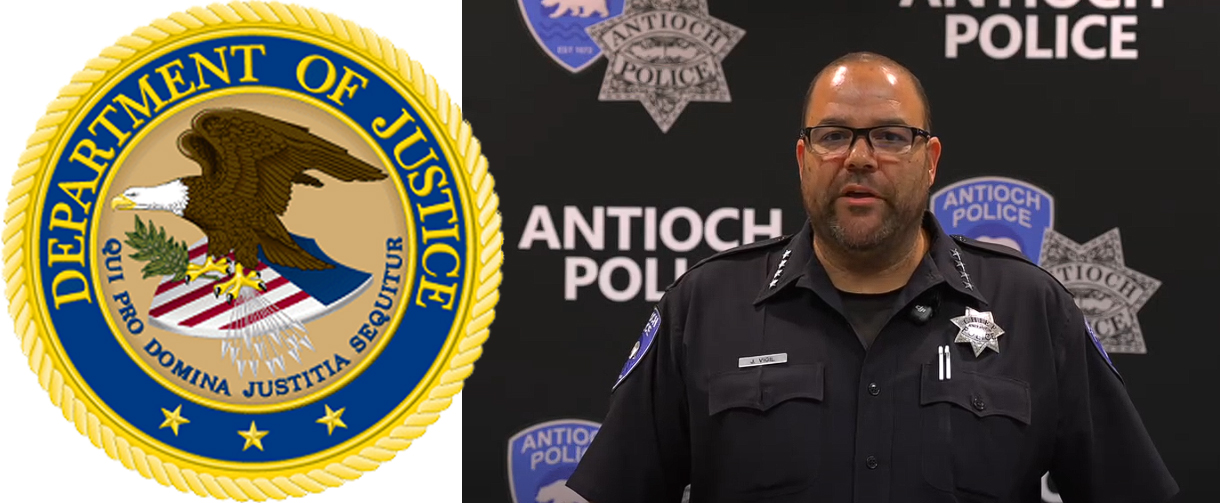
USDOJ APD Chief Vigil MOA announcement 10-09-26