Archive for the ‘News’ Category

“Eye of Diablo” Beacon lighting Easter Sunday in response to global coronavirus pandemic

Saturday, April 11th, 2020

Mt Diablo lit Beacon. Herald file photo by Clayton Worsdell.

By Laura Kindsvater, Communications Intern, Save Mount Diablo

WALNUT CREEK, CA—Mount Diablo State Park’s Beacon will be lit after sunset in response to the coronavirus (COVID-19) pandemic on Easter Sunday, April 12. Thereafter, until the pandemic crisis is over, the Beacon will be lit every Sunday after sunset and shine brightly until sunrise the next day.

Ted Clement, Executive Director of Save Mount Diablo, stated, “Lighting the Beacon every Sunday is a way to honor our heroes in this global pandemic struggle, to pay our respects to the dead and those suffering, to lift our eyes to higher ground and the light and be reminded of the healing power of nature and our Mount Diablo, and to bring our communities together during this difficult time.”

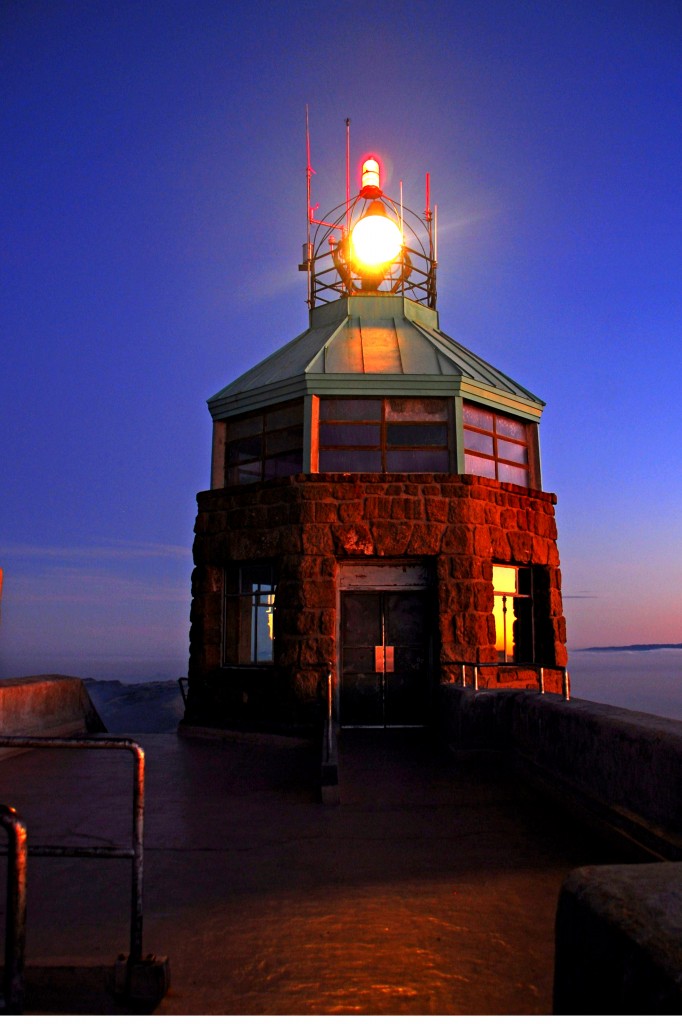
Mount Diablo’s Beacon lights the nighttime sky on December 7. Copyright Stephen Joseph; used with permission.

Save Mount Diablo staff and volunteers will be working on lighting the Beacon every Sunday, and turning it off every Monday after sunrise, in close coordination with their good partners at California State Parks. Physical distancing will be followed throughout. This effort has also been coordinated with the Sons and Daughters of Pearl Harbor Survivors, Chapter 5.

Save Mount Diablo; California State Parks; the Sons and Daughters of Pearl Harbor Survivors, Chapter 5; California State University – East Bay (Concord); and others organize the annual lighting ceremony of the Beacon every December 7 in honor of National Pearl Harbor Remembrance Day.

Eduardo Guaracha, Diablo Range Superintendent of California State Parks, said, “As we look up in the sky, let this beacon remind us we are not alone. Our thoughts and support are with the heroes, healthcare and emergency workers, and all those affected by this worldwide pandemic. Let the light give us hope for a better future and remind us to keep our heads and spirits up.”

The Beacon on Mount Diablo was originally installed and illuminated in 1928 to aid in transcontinental aviation. It is one of the five guiding beacons installed along the West Coast by Standard Oil of California and is the only one known to still be operational.

After the attack on Pearl Harbor, the Beacon’s light was extinguished during the West Coast blackout, for fear it might enable an attack on California. It stayed dark until Pearl Harbor Day, 1964, when Fleet Admiral Chester Nimitz, Commander in Chief of Pacific Forces during World War II, relit the Beacon in a commemorative ceremony and suggested it be illuminated every December 7 to honor those who served and sacrificed.

Since that day, Pearl Harbor veterans and their families have gathered every December 7 to see the Beacon light shine once again.

The Beacon now shines brighter than ever since it underwent an extensive restoration process in 2013 thanks to a campaign led by Save Mount Diablo to ensure it continues to shine for many more years.

Contra Costa coronavirus Update: 2 more deaths for 11 total, 530 cases

Saturday, April 11th, 2020

From CCHealth.org

More cases in people ages 41-60 than any other age range

By Allen Payton

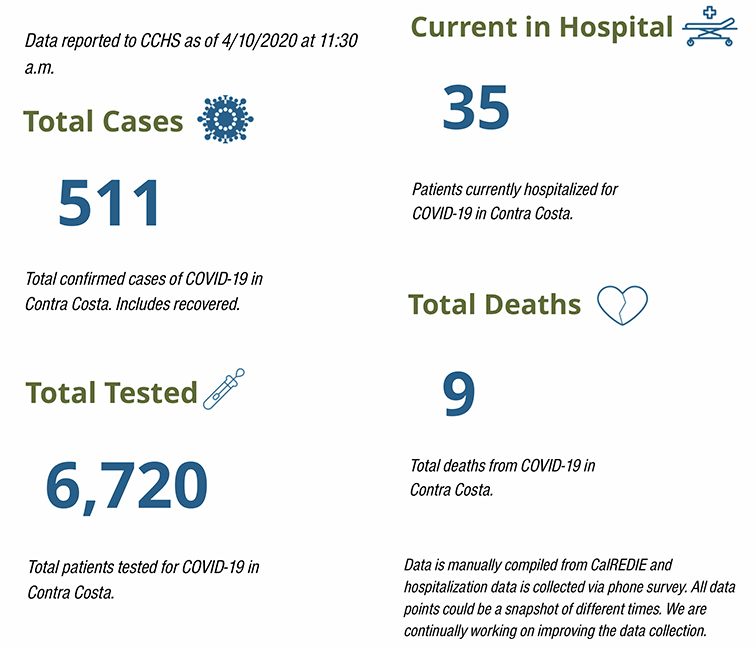
As of Saturday, April 11, 2020 at 11:30 a.m. Contra Costa Health Services (CCHS) is reporting a total of 530 cases of COVID-19/coronavirus, and two more deaths for a total of 11 in the county. There are 37 people diagnosed with the virus currently hospitalized. There are 38 cases in Antioch.

A total of 6,938 people have been tested for the virus. 

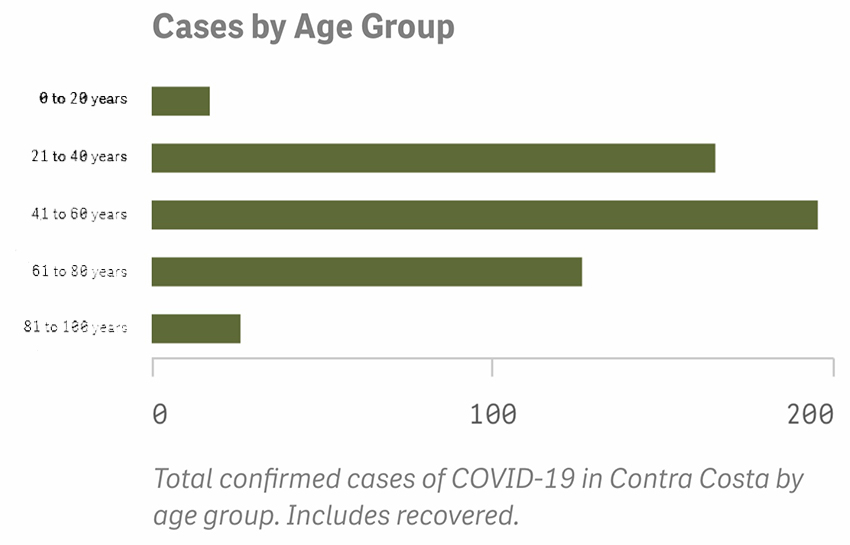
The majority of those who have been diagnosed are ages 41-60 with 195 cases, 165 cases for those ages 21-40, 126 cases among those ages 61-80, another 26 cases of those ages 81-100 and 17 cases of those age 20 and under.

To see the all the coronavirus statistics provided by CCHS, click here.

Antioch woman killed by heavy object through car window on Hwy 242 in Concord Friday night

Saturday, April 11th, 2020

By CHP – Contra Costa

Last night, April 10, 2020, at approximately 9:32 pm, Contra Costa CHP was advised of a solo vehicle collision on SR-242 northbound at SR-4. Upon emergency personnel and CHP arrival, a 63-year-old female passenger of the vehicle was unconscious and unresponsive. Life-saving procedures were attempted but unsuccessful and tragically the female passenger was declared deceased at the scene. The 20-year-old driver and two children in the backseat, 11- and 13-year-old girls, all family from Antioch, were not injured.

The Contra Costa County Sheriff’s Coroner’s Office will be handling the release of identity of the deceased female.

Upon further investigation at the scene, it was determined that this was not a collision. While the 20-year-old male driver was proceeding northbound on SR-242 and approaching SR-4 in a grey 2004 Volkswagen Jetta, it was determined that a heavy object (“brick”) came crashing through a window of the vehicle and struck the 63-year-old female passenger seated in the right front seat. The male driver realized the woman was injured and pulled off the freeway and called 911. Tragically the female passenger died at the scene. At this point, it is unknown where the “brick” came from and/or how it ended up in the Volkswagen.

The cause of this incident is still under investigation. If anyone witnessed this incident, the events leading up to it, or saw anyone within the immediate area, please contact Contra Costa CHP in Martinez at (925) 646-4980.

Contra Costa Event Park in Antioch to be converted into potential care site for COVID-19 patients

Friday, April 10th, 2020

By Kim McCarl, Assistant to the Director, Communications, Contra Costa Health Services

Contra Costa County is preparing to use the Contra Costa Event Park in Antioch as a site to care for COVID-19 patients, should the need arise.

As part of local emergency preparations, the county has been exploring and preparing “alternate care sites” in preparation for the likely surge of patients in local hospitals who test positive for Coronavirus (COVID-19). The building, which is normally used as an exhibit hall during the annual county fair, is located in the Contra Costa Event Park at 1201 W. 10th Street and has capacity for 43 people who test positive for COVID-19 and need medical care, but do not need to be hospitalized.

“The fairgrounds alternate care site is a great example of state, county, city and non-profit agencies coming together to create increased capacity to care for patients needing fewer resources, which frees up critical hospital beds in our healthcare system to fight COVID-19,” said Federal Glover, District V Supervisor.

Contra Costa and other Bay Area counties recently extended a regional stay-at-home order through May 3 hoping that continued physical-distancing measures will reduce the impact of COVID-19 on area hospitals.

“The Contra Costa Event Center, City of Antioch and the Red Cross really stepped up to help make this site happen,” said Diane Burgis, District III Supervisor. “This site would not be possible without their assistance.”

The Red Cross has shared expertise in standing up critical care sites for individuals displaced by emergency situations with County officials working on the Fairgrounds site.

“The Red Cross is proud to be working closely with our government and public health officials to support their efforts to keep our community safe with the planning and opening of the alternate care site in Antioch,” said Briana Taylor, Regional Disaster Chair for the American Red Cross Northern California Coastal Region. “It is impressive to see the whole community work together during this stressful time.”

The Craneway Pavilion in Richmond is equipped with 250 beds for COVID-positive patients who do not require hospitalization. Should a surge require the facility to open, COVID-positive patients are likely to be housed at the Craneway Pavilion first. (See related article) The Concord Shelter and Philip Doran Respite Center will house individuals who may not need hospitalization but require closer observation than provided at Craneway Pavilion. The county anticipates that Contra Costa Event Center will be the last facility to open.

“Although the City of Antioch did not request for the county to select a site within our city, we understand the gravity of the moment,” said Antioch Mayor Sean Wright. “In the fight to save lives, the world has been asked to step up and do more, Antioch is no exception to this reality. By working together, we will hopefully be able to minimize the number of lives lost to this horrible pandemic.”

The 23rd District Agricultural Association is home to the Contra Costa County Fair that has hosted hundreds of thousands of guests for over seventy-five years. The Event Park celebrates all that is best in Contra Costa County while preserving the agricultural heritage of the community.

“The Contra Costa Event Park is here to help the community during this time of need, and happy to work with the County of Contra Costa as we all work together to end this pandemic,” said Joe Brengle, chief executive officer of the Contra Costa Event Park.

“The county has been working in two of our buildings to prepare them should the need arise,” he told the Herald on Wednesday.

This year’s county fair was cancelled by the Fair Board on March 18. (See related article)

Contra Costa County and the Board of Supervisors continue to work in real time to respond to community needs while preparing to meet the challenges ahead.

Allen Payton contributed to this report.

Contra Costa Health Services reminds residents to observe religious practices at home this weekend – 9 deaths now reported in county

Friday, April 10th, 2020

Friday, April 10, 2020

Contra Costa Health Services (CCHS) reminds the public that county residents should observe their faiths at home while the health officer’s stay-at-home order remains in place, though this month is a time of significant religious activity for many people.

The health officer order, a measure to protect our community from the spread of COVID-19, requires Contra Costa residents to stay home except for essential trips, such as to find food, healthcare or to provide care for someone who cannot leave their home, or to go to and from an essential job.

The order lasts through May 3, a period that may affect important observances for many faiths, such as Good Friday, Holy Week, Orthodox Easter, Passover, Ramadan, and others.

“The COVID-19 pandemic has disrupted our lives, and we empathize with anyone who is unable to practice their religious traditions and celebrations as usual during this challenging time,” said Dr. Chris Farnitano, Contra Costa County Health Officer. “However, to protect everyone in the community, we must avoid gatherings outside of one’s immediate household to reduce the spread of the virus.”

CCHS thanks the county’s faith community for helping to keep their members safe from COVID-19 and urges faith leaders to continue to suspend in-person gatherings and not bring large groups of people together while the health order remains in place.

Suspending in-person gatherings does not mean suspending worship. Many organizations continue to observe together, through livestreaming or by watching recorded services online.

Learn more about COVID-19 in Contra Costa County, including how to protect yourself, at cchealth.org/coronavirus, or call the Contra Costa Coronavirus Call Center with questions at 1-844-729-8410. The call center is open daily from 8 a.m. to 5 p.m.

Save Mt. Diablo expands efforts to protect the 150-mile long Diablo Range

Thursday, April 9th, 2020

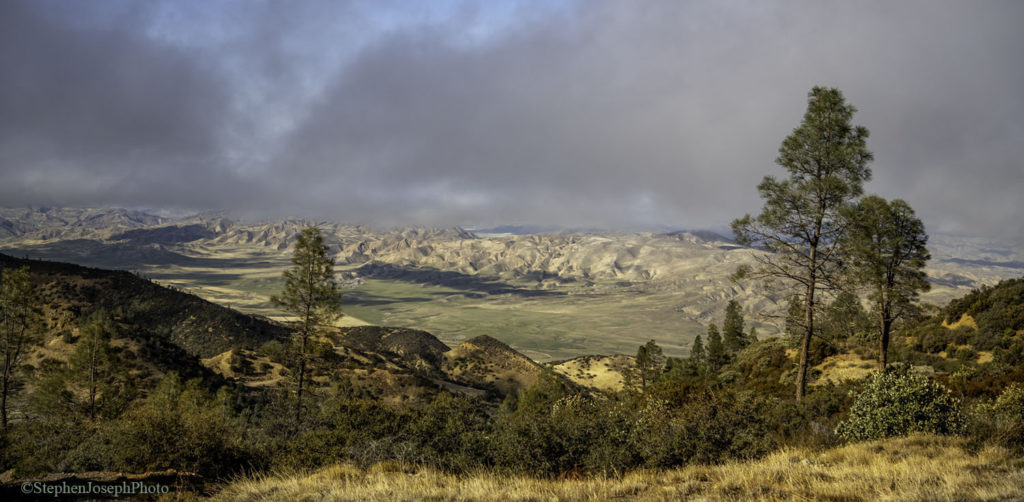
View of the Diablo Range from the top of San Benito Mountain, at 5,241 feet the Diablo Range’s highest peak. The Diablo Range covers 12 counties and 5,400 square miles, but most people have never heard of it. Copyright Stephen Joseph; used with permission.

California’s next big conservation story, right in our backyards
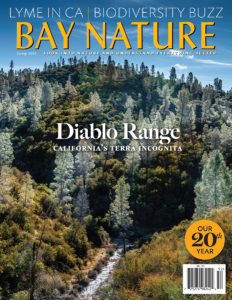
Cover of the Spring 2020 issue of Bay Nature magazine. Credit Bay Nature.

By Laura Kindsvater, Communications Intern, Save Mount Diablo

Save Mount Diablo has launched a campaign to connect Mount Diablo to the whole of the Diablo Range, a 150-mile long mountain range and biodiversity refuge that’s next door to millions of people, but that most people know nothing about.

“The Diablo Range is the missing piece of the California conservation map,” says Save Mount Diablo Land Conservation Director Seth Adams. “It’s California’s next great conservation story.”

“Seventy-five percent of the ecologically important area around Mount Diablo has been preserved,” explains Edward “Ted” Sortwell Clement, Jr., Save Mount Diablo’s Executive Director, “while in the full 150-mile range, only 24 percent of the landscape has any protection. We’re going to change that. Save Mount Diablo’s first step is defining the range as a whole for the conservation community and the public and educating them about its importance.”

Save Mount Diablo’s public educational efforts will include the full 150-mile Diablo Range. As part of this campaign, Save Mount Diablo helped to sponsor a newly published cover story and supplement about the Diablo Range in Bay Nature magazine, with the Santa Clara Valley Open Space Authority. “The Spine of California,” by Bay Nature Digital Editor Eric Simons, explores the most rugged, plant-rich stretch of California you’ve never heard of.

The cover story is the first article ever published specifically about the Diablo Range, and it includes the first ever published map of the public and protected lands of the Diablo Range. “Our first effort is to put this place on the map,” notes Adams.
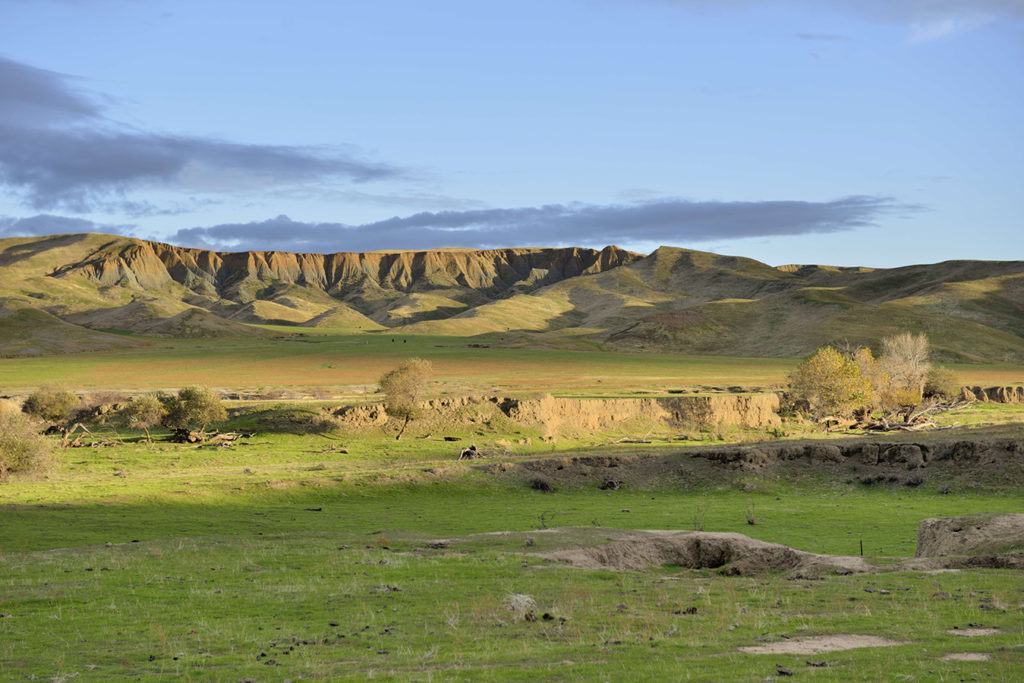
Panoche Valley and the Panoche Hills, part of the Diablo Range. The Diablo Range is threatened by both alternative and fossil-fuel based energy development, and in the Panoche Valley, large solar farms are beginning to pop up. Credit Al Johnson.

Also, as part of the campaign, Save Mount Diablo recently expanded the geographic area in which it now does its land use advocacy; it now includes the three northern counties of 12 crossed by the Diablo Range. The organization’s primary acquisition focus remains north of Highway 580 and around the main peaks of Mount Diablo. The organization recently announced two acquisition projects on the main peaks, the 154-acre Trail Ride Association conservation easement on North Peak for which it needs to raise a little over $1,040,000 and the $650,000 Smith Canyon project adjacent to Curry Canyon.
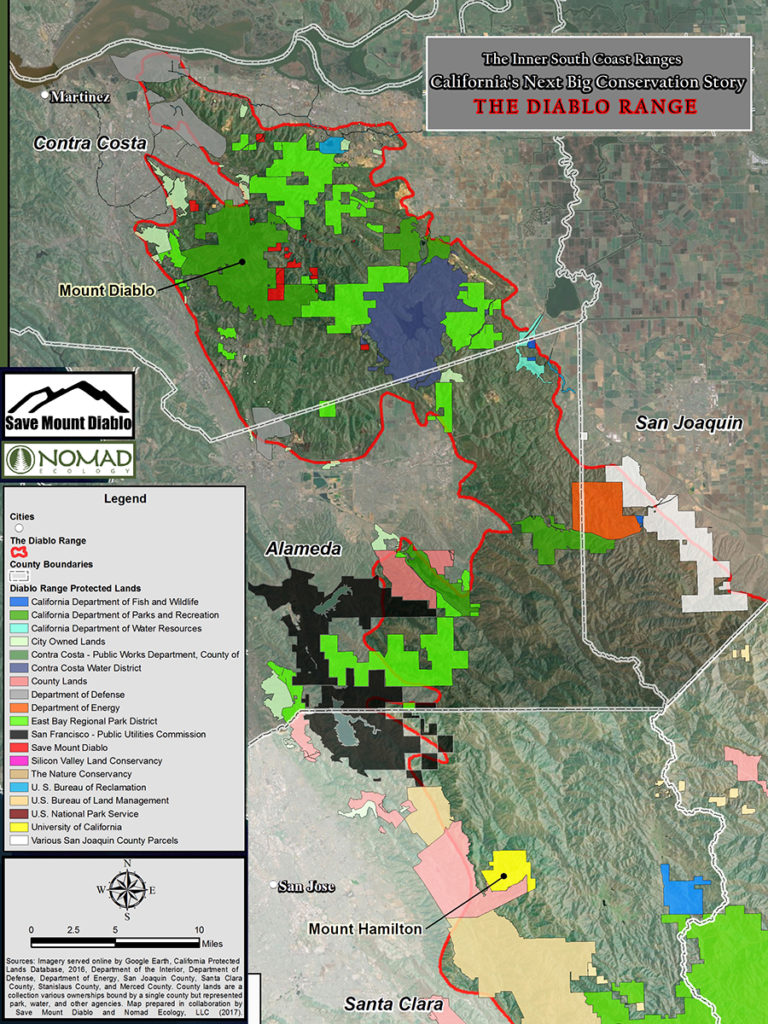
Map showing the northern Diablo Range. Save Mount Diablo recently expanded the area in which it works down to the Santa Clara County line. In addition to Contra Costa County between Highway 680 and the Byron Highway, Save Mount Diablo’s area of interest now encompasses portions of southeastern Alameda County and southwestern San Joaquin County, including a critical wildlife corridor linking Mount Diablo to the rest of the Diablo Range and a vulnerable region of spectacular biodiversity (Cedar Mountain, Corral Hollow, and the greater Mines Road area). Map prepared in collaboration by Save Mount Diablo and Nomad Ecology, LLC.

In addition to working in Contra Costa County between Highway 680 and the Byron Highway, Save Mount Diablo now also works in southeastern Alameda and southwestern San Joaquin Counties.

This area includes an essential, 10-mile-wide wildlife corridor (Altamont Pass is part of it) that connects Mount Diablo to the rest of the Diablo Range. It also includes one of the most important and vulnerable biodiversity hotspots in California.
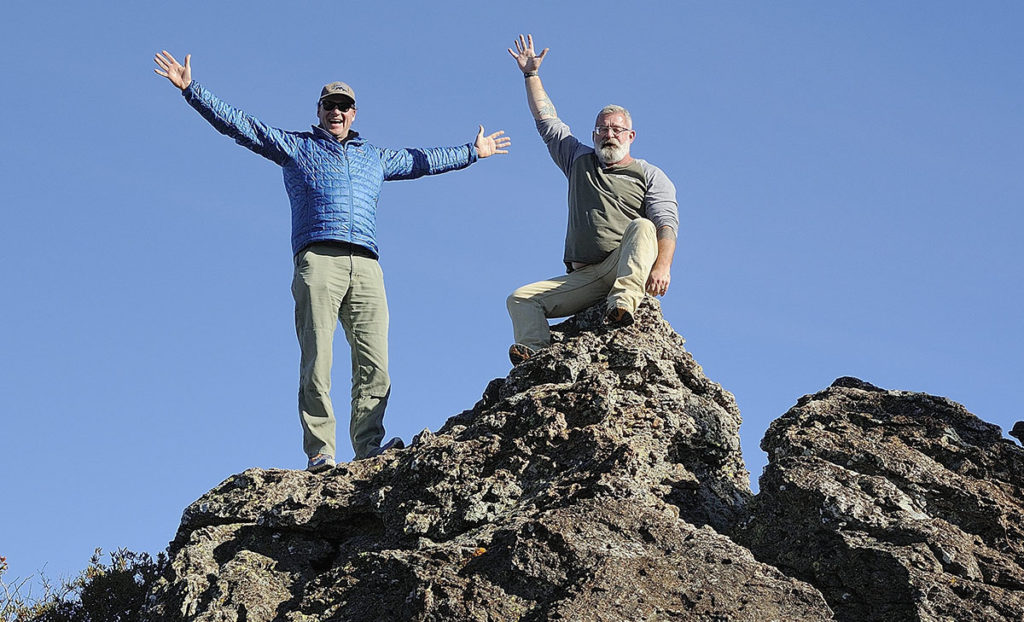
Save Mount Diablo Executive Director Ted Clement and Land Conservation Director Seth Adams waving from on top of San Benito Mountain, at 5,241 feet the highest point in the Diablo Range. Credit Al Johnson.

According to Simons, “The 150-mile range of mountains from the Carquinez Strait to the oil fields of the southern San Joaquin Valley holds some of the largest remaining wild places in California. It is a rugged, remote, difficult realm, a biodiversity ark incised by the San Andreas Fault. It is a historic mixing place, where Central Valley Yokuts and coastal Ohlones traded and danced, where California’s ever-more-diverse future residents will seek escape and recreation. And it is nearly unparalleled in ecological significance.”

The Diablo Range stretches from the Carquinez Strait all the way to the Antelope Valley in Kern County and contains some of the largest remaining unprotected wild places in California. The mountain range is huge, rugged, and remote. Bounded by Highway 101 to the west and Interstate 5 to the east, the 150-mile long, 40- to 50-mile wide area is a blank spot on the map for the public focused on its outer grassland foothills. “Five miles in and 500 feet up,” Adams says, “oaks and chaparral appear, and it’s Mount Diablo multiplied.”
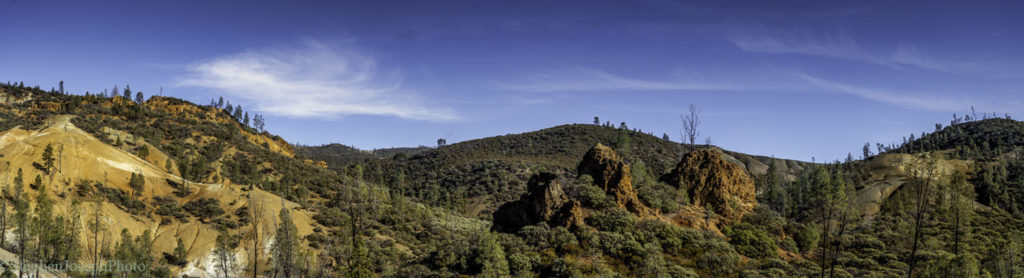
In the southern Diablo Range is a huge area of serpentine geology and associated soils. These soils are toxic to most plants, but home to many rare plant species that have evolved to handle the toxicity. Some of these plants are “serpentine endemics”—they can live nowhere else. Pictured here: the serpentine barrens at San Benito Mountain. Copyright Stephen Joseph; used with permission.

The Diablo Range covers 5,400 square miles and has many peaks, some of which are taller than Mount Diablo. The tallest one is San Benito Mountain at 5,241 feet. Mount Diablo measures at 3,849 feet.

The range is extremely important for wildlife, crossed only by two major highways at Altamont and Pacheco Passes. It serves as a reservoir of biodiversity, a core habitat for wildlife in California.

Although golden eagle populations are declining in western North America, they’re stable in California because of the Diablo Range.
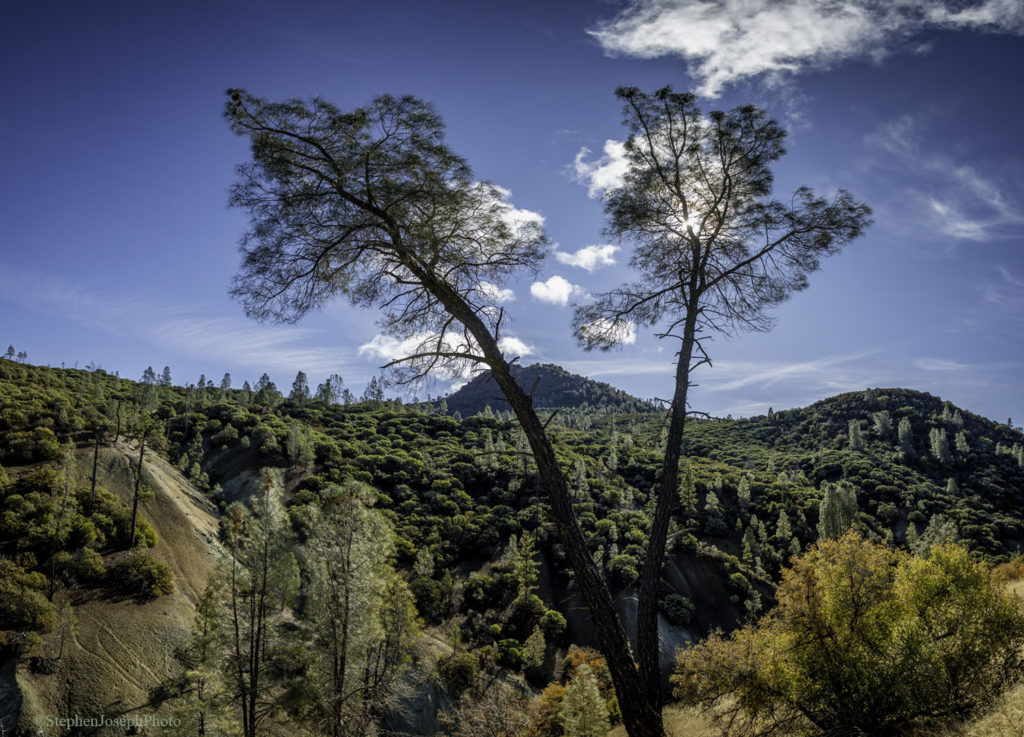
Serpentine ecosystems at San Benito Mountain. Copyright Stephen Joseph; used with permission.

The northern Diablo Range supports the highest density of golden eagles on the planet. The Diablo Range could also be the source for replenishing the genetic diversity of mountain lion populations in the Santa Cruz Mountains.

Tule elk, nearly hunted to extinction in the 1970s, have recovered quickly in the Diablo Range. Bay checkerspot butterflies have their last stronghold along Coyote Ridge just above San Jose. And the Diablo Range offers great habitat for California condors to expand into as they recover from the brink of extinction.
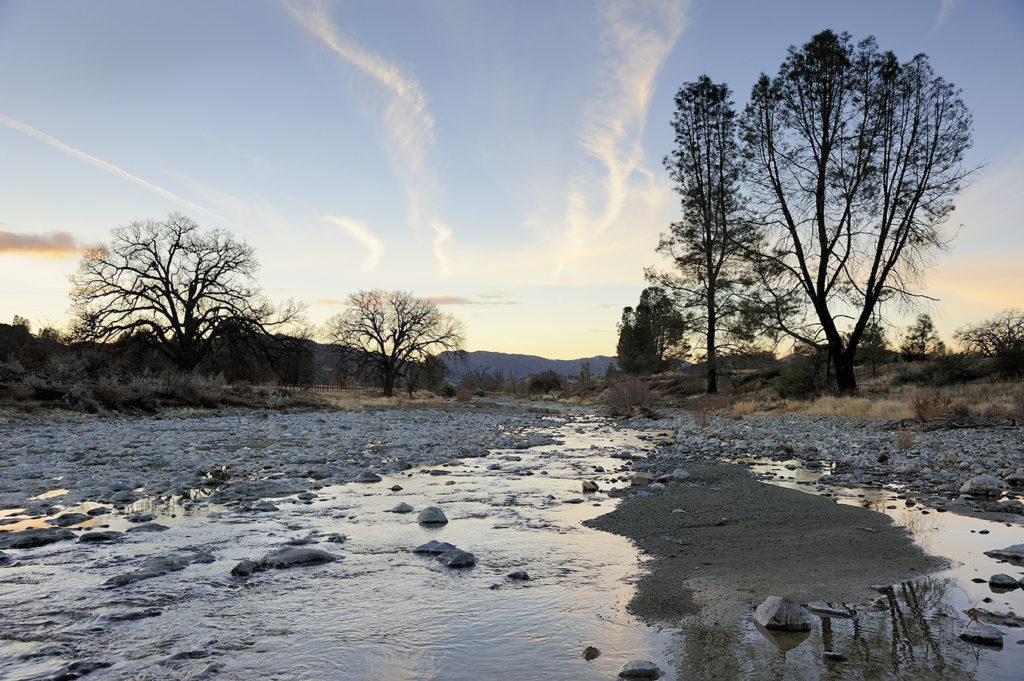
Headwaters of the San Benito River. Credit Al Johnson.

The Diablo Range is threatened by energy development (both alternative and fossil fuel-based energy), suburban sprawl, and proposed dams and reservoirs. Wind turbines endanger golden eagles and other birds. And the Panoche Valley, part of the Diablo Range, now has a 4,800-acre solar farm.

This mountain range harbors incredible biodiversity that supports many rare, endemic (plants or animals found nowhere else), or disjunct species (plants that are cut off from other populations and not expected to be there). It contains large swaths of land with serpentine soils, on which rare plant species that live nowhere else grow. And some of the soils are “vertic clays,” which also support rare and endemic plant species.
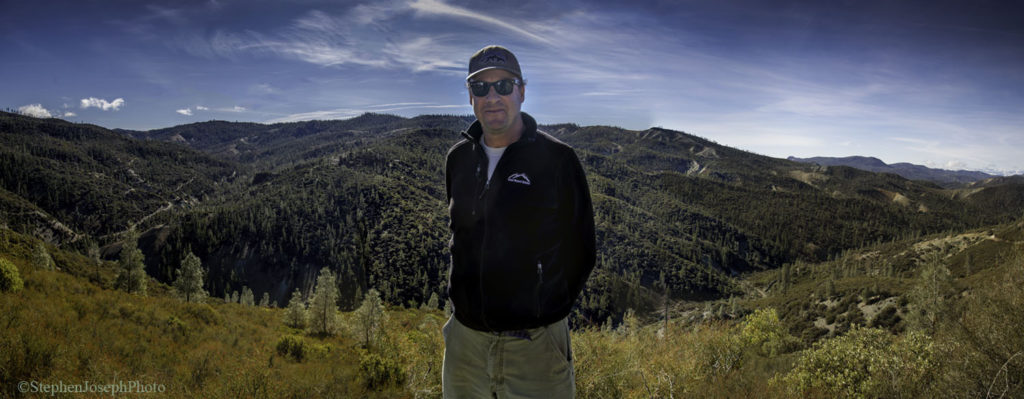
Save Mount Diablo Executive Director Ted Clement and the Diablo Range. Copyright Stephen Joseph; used with permission

Although the Diablo Range is right next to some large cities, large areas of it have limited to no cell phone coverage, light pollution, or major roads, an indication of its habitat connectivity.

Read more about the Diablo Range and Save Mount Diablo’s work to protect it in the Bay Nature cover story.
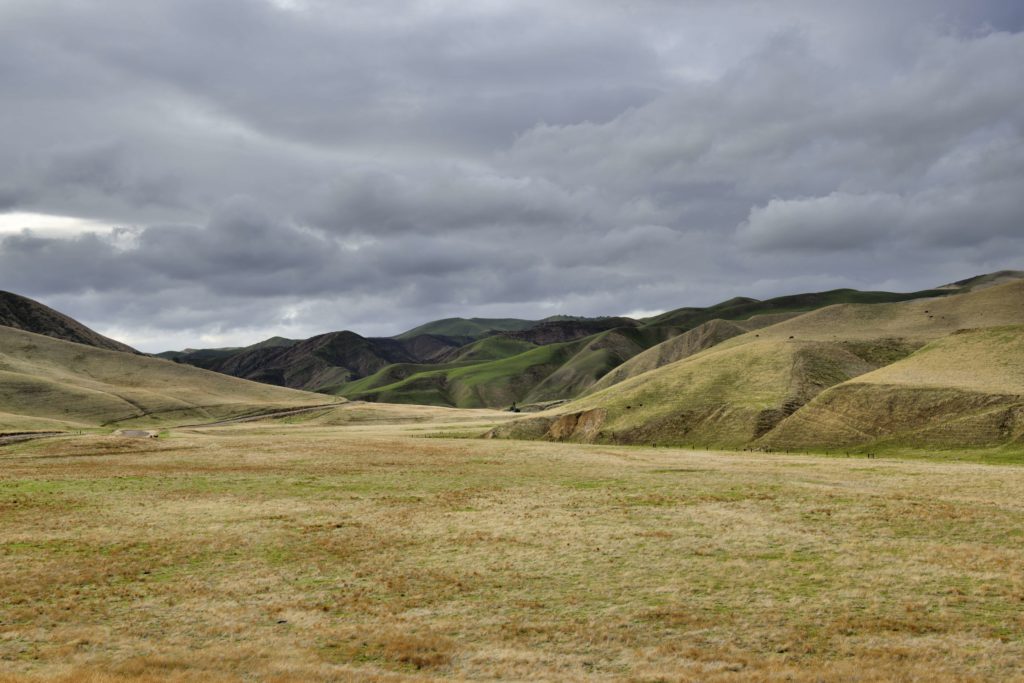
The Panoche Hills, part of the Diablo Range. Credit Al Johnson.

About Save Mount Diablo

Save Mount Diablo is a nationally accredited, nonprofit land trust founded in 1971 with a mission to preserve Mount Diablo’s peaks, surrounding foothills, and watersheds through land acquisition and preservation strategies designed to protect the mountain’s natural beauty, biological diversity, and historic and agricultural heritage; enhance our area’s quality of life; and provide recreational opportunities consistent with the protection of natural resources. Learn more at www.savemountdiablo.org.


Disaster response jobs for U.S. Small Business Administration’s relief efforts

Thursday, April 9th, 2020

The SBA is hiring temporary employees to assist with disaster relief efforts. Bilingual language skills a plus. Must be a U.S. citizen.

Join our team! The SBA is hiring additional employees to assist with disaster relief efforts. Bilingual language skills are a plus. Remote jobs are available nationwide.

In response to the Coronavirus (COVID-19) pandemic, SBA is hiring for a number of positions.

Call Center Customer Service Representative (CSR)

Customer Service Representatives are needed with backgrounds in finance, credit, banking, accounting, and mortgage lending.  Students of business/finance may also apply. Strong computer skills are a must.  Texas notaries with experience closing loans, legal documents, etc. are also desired. Spanish speaking is a plus.

Disaster Recovery Specialist (Supersedes previous announcement, EXC-20-054-CSC-10752837, to amend duty location)
GS-0301-07/09; Full time (Temp)
Office of Disaster Assistance (ODA); Customer Service Center; Duty Station Negotiable.
Open to United States Citizens

Document Preparation/Legal Review/ Loan Closings

Attorneys/Paralegals are needed to review and close SBA Disaster Loans. Real Estate experience is a plus. Individuals waiting on bar results may apply. Attorneys must present a current bar card, but may be licensed in any state.

Paralegal Specialist
GS-0950-09/11; Full time (Temp)
Office of Disaster Assistance (ODA); Processing Disbursement Center (PDC); Fort Worth, TX;
Open to United States Citizens

Attorney Advisor (Gen)
(Supersedes previous announcement, EXC-20-057-PDC-10755112, to amend duty location)
GS-0301-09/11; Full time (Temp)
Office of Disaster Assistance (ODA); Processing and Disbursement Center (PDC); Duty Station Negotiable.
Open to United States Citizens

Legal Assistant
GS-0986-06/07; Full time (Temp)
Office of Disaster Assistance (ODA); Processing Disbursement Center (PDC); Fort Worth, TX;
Open to United States Citizens

Loan Processing/Credit Analysis/Mortgage Underwriting

Credit Analysts, Loan Officers, and Mortgage Underwriters are needed with experience evaluating financial information; determining creditworthiness and repayment ability; and making loan decisions (or recommendations) based on overall financial condition.

Loan Specialist (Commercial) – Virtual
GS-1165-12; Full time (Temp)
Office of Capital Access (OCA); Virtual.
Open to United States Citizens

Loan Specialist (Commercial) – Virtual
GS-1165-12; Full time (Temp)
Office of Capital Access (OCA); Virtual.
Open to United States Citizens

Loan Specialist (Commercial)
GS-1165-09; Full time (Temp)
Office of Capital Access (OCA); Various Duty Stations.
Open to United States Citizens

Loan Specialist (Commercial)
GS-1165-09; Full time (Temp)
Office of Capital Access (OCA); Various Duty Stations.
Open to United States Citizens

Loan Processing Assistant
GS-1101-07; Full time (Temp)
Office of Capital Access (OCA); Various Duty Stations.
Open to United States Citizens

Loan Servicing Assistant
GS-1101-07; Full time (Temp)
Office of Capital Access (OCA); Various Duty Stations.
Open to United States Citizens

Supervisory Loan Specialist (Commerical)
GS-1165-13; Full time (Temp)
Office of Capital Access (OCA); Various Duty Stations.
Open to United States Citizens

Supervisory Loan Specialist (Commerical)
GS-1165-13; Full time (Temp)
Office of Capital Access (OCA); Various Duty Stations.
Open to United States Citizens

Loan Specialist (Gen) (Supersedes previous announcement, EXC-20-065-PDC-10753859, to amend duty location)
GS-0301-09/11; Full time (Temp)
Office of Disaster Assistance (ODA); Processing and Disbursement Center (PDC); Duty Station Negotiable.
Open to United States Citizens

Loan Assistant
GS-1165-05/07; Full time (Temp)
Office of Disaster Assistance (ODA); Processing Disbursement Center (PDC); Fort Worth, TX;
Open to United States Citizens

Program Support

Program Support Assistant
GS-0301-05/06/07; Full time (Temp)
Office of Disaster Assistance (ODA); Processing and Disbursement Center (PDC); Fort Worth, TX.
Open to United States Citizens

Antioch to receive $27 million settlement from California’s Department of Water Resources

Thursday, April 9th, 2020

To be used for brackish water desalination plant

By Rolando Bonilla, PIO, City of Antioch


On April 14th, the Antioch City Council will consider the adoption of a resolution approving a historic settlement agreement between the City and California Department of Water Resources (DWR). (See related articles here and here)

The agreement pays Antioch $27 million, which guarantees that they will be able to utilize its 150-year old water rights and remain in the Delta for the long-term.  The $27 million, in addition to $43 million in State grants and loans, completes the financing for the $70 million brackish water desalination plant.

In 1968, the City of Antioch and DWR entered into a settlement agreement in which DWR pays Antioch one-third the cost of supplemental water needed when the Delta became too salty as a result of DWR’s upstream diversions.

“This agreement is a major milestone for Antioch because it will be invested into the construction of the City’s Brackish Water Desalination Project,” said Ron Bernal, City Manager, City of Antioch. “Adoption of this resolution will improve water quality for our residents, improve water reliability for our residents, and stabilize future water cost increases for our residents.” Bernal emphasized, “The impacts of climate change will be significantly mitigated by the project for the foreseeable future. Antioch is committed to using our water rights and staying in the Delta.”

According to DWR, they believe the Brackish Water Desalination Project is designed in an environmentally appropriate manner, promotes regional self-reliance and recognizes the value of the project that will serve Antioch’s citizens in a manner consistent with the State of California’s goals pertaining to water supply resiliency, climate change, and sea-level rise.