Will honor Historical Black Colleges & Universities and the Divine Nine Black sororities and fraternities
By Allen D. Payton
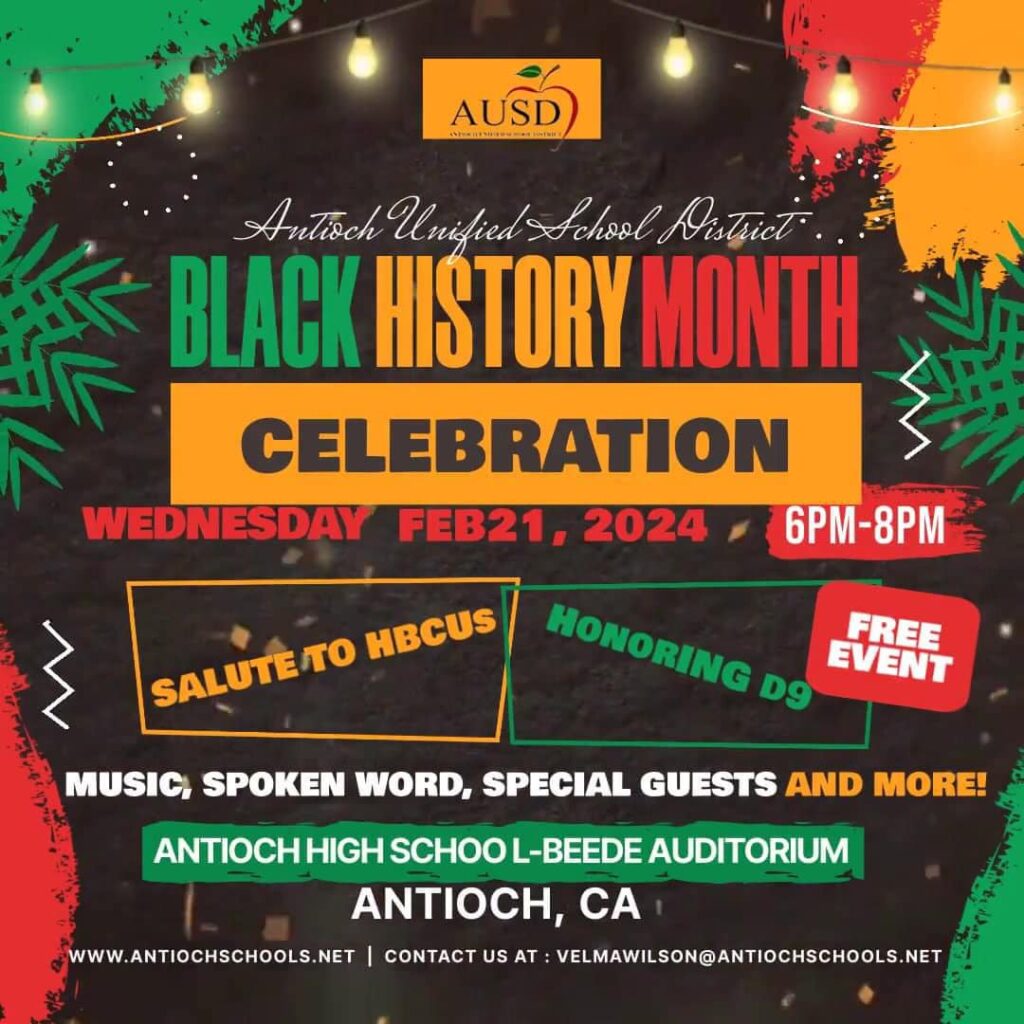
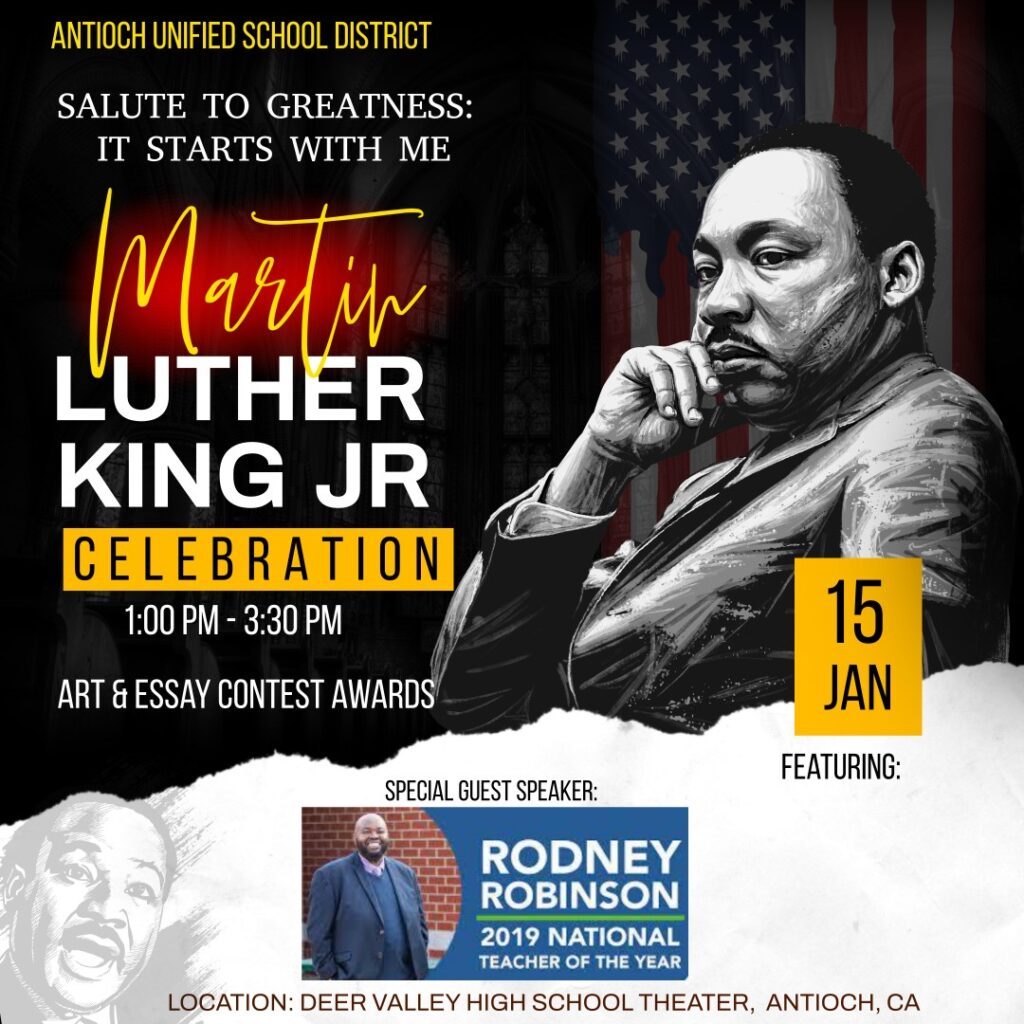
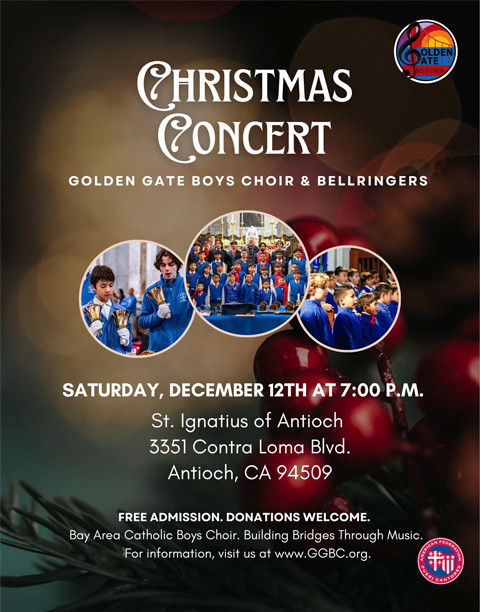
During Antioch Unified School District’s Black History Month Celebration on Wednesday, Feb. 21, they will honor the Historical Black Colleges and Universities (HBCU’s) and the D9 or Divine Nine Black sororities and fraternities. The event will include music, spoken word, special guests and more, and will be held in the Beede Auditorium at Antioch High School from 6:00 p.m. to 8:00 p.m. The community is welcome.
The HBCU’s were established before 1964 with the intention of primarily serving the Black community. According to HBCUConnect.com, there are 105 schools on the official list.
According to BlackEnterprise.com, the D9 consists of the nine pioneering black Greek-letter organizations: Alpha Kappa Alpha Sorority, Inc., Alpha Phi Alpha Fraternity, Inc., Delta Sigma Theta Sorority, Inc., Zeta Phi Beta Sorority, Inc., Iota Phi Theta Fraternity, Inc., Kappa Alpha Psi Fraternity, Inc., Sigma Gamma Rho Sorority, Inc., Phi Beta Sigma Fraternity, Inc., and Omega Psi Phi Fraternity, Inc.
The story of Black History Month begins in Chicago during the summer of 1915. An alumnus of the University of Chicago with many friends in the city, Carter G. Woodson traveled from Washington, D.C. to participate in a national celebration of the fiftieth anniversary of emancipation sponsored by the state of Illinois. Thousands of African Americans travelled from across the country to see exhibits highlighting the progress their people had made since the destruction of slavery. Awarded a doctorate in Harvard three years earlier, Woodson joined the other exhibitors with a black history display.
Despite being held at the Coliseum, the site of the 1912 Republican convention, an overflow crowd of six to twelve thousand waited outside for their turn to view the exhibits. Inspired by the three-week celebration, Woodson decided to form an organization to promote the scientific study of black life and history before leaving town. On September 9th, Woodson met at the Wabash YMCA with A. L. Jackson and three others and formed the Association for the Study of Negro Life and History (ASNLH).
When Woodson established Negro History week in 1926, he realized the importance of providing a theme to focus the attention of the public. The intention has never been to dictate or limit the exploration of the Black experience, but to bring to the public’s attention important developments that merit emphasis.
He hoped that others would popularize the findings that he and other black intellectuals would publish in The Journal of Negro History, which he established in 1916. As early as 1920, Woodson urged black civic organizations to promote the achievements that researchers were uncovering. A graduate member of Omega Psi Phi, he urged his fraternity brothers to take up the work. In 1924, they responded with the creation of Negro History and Literature Week, which they renamed Negro Achievement Week. Their outreach was significant, but Woodson desired greater impact. As he told an audience of Hampton Institute students, “We are going back to that beautiful history, and it is going to inspire us to greater achievements.” In 1925, he decided that the Association had to shoulder the responsibility. Going forward it would both create and popularize knowledge about the black past. He sent out a press release announcing Negro History Week in February 1926.
Woodson chose February for reasons of tradition and reform. It is commonly said that Woodson selected February to encompass the birthdays of two great Americans who played a prominent role in shaping black history, namely Abraham Lincoln and Frederick Douglass, whose birthdays are the 12th and the 14th, respectively. More importantly, he chose them for reasons of tradition. Since Lincoln’s assassination in 1865, the black community, along with other Republicans, had been celebrating the fallen President’s birthday. And since the late 1890s, black communities across the country had been celebrating Douglass’. Well aware of the pre-existing celebrations, Woodson built Negro History Week around traditional days of commemorating the black past. He was asking the public to extend their study of black history, not to create a new tradition. In doing so, he increased his chances for success.
Yet Woodson was up to something more than building on tradition. Without saying so, he aimed to reform it from the study of two great men to a great race. Though he admired both men, Woodson had never been fond of the celebrations held in their honor. He railed against the “ignorant spellbinders” who addressed large, convivial gatherings and displayed their lack of knowledge about the men and their contributions to history. More importantly, Woodson believed that history was made by the people, not simply or primarily by great men. He envisioned the study and celebration of the Negro as a race, not simply as the producers of a great man. And Lincoln, however great, had not freed the slaves—the Union Army, including hundreds of thousands of black soldiers and sailors, had done that. Rather than focusing on two men, the black community, he believed, should focus on the countless black men and women who had contributed to the advance of human civilization.
Source: ASALH
From the beginning, Woodson was overwhelmed by the response to his call. Negro History Week appeared across the country in schools and before the public. The 1920s was the decade of the New Negro, a name given to the Post-War I generation because of its rising racial pride and consciousness. Urbanization and industrialization had brought over a million African Americans from the rural South into big cities of the nation. The expanding black middle class became participants in and consumers of black literature and culture. Black history clubs sprang up, teachers demanded materials to instruct their pupils, and progressive whites stepped and endorsed the efforts.
Woodson and the Association scrambled to meet the demand. They set a theme for the annual celebration, and provided study materials—pictures, lessons for teachers, plays for historical performances, and posters of important dates and people. Provisioned with a steady flow of knowledge, high schools in progressive communities formed Negro History Clubs. To serve the desire of history buffs to participate in the re-education of black folks and the nation, ASNLH formed branches that stretched from coast to coast. In 1937, at the urging of Mary McLeod Bethune, Woodson established the Negro History Bulletin, which focused on the annual theme. As black populations grew, mayors issued Negro History Week proclamations, and in cities like Syracuse progressive whites joined Negro History Week with National Brotherhood Week.
Like most ideas that resonate with the spirit of the times, Negro History Week proved to be more dynamic than Woodson or the Association could control. By the 1930s, Woodson complained about the intellectual charlatans, black and white, popping up everywhere seeking to take advantage of the public interest in black history. He warned teachers not to invite speakers who had less knowledge than the students themselves. Increasingly publishing houses that had previously ignored black topics and authors rushed to put books on the market and in the schools. Instant experts appeared everywhere, and non-scholarly works appeared from “mushroom presses.” In America, nothing popular escapes either commercialization or eventual trivialization, and so Woodson, the constant reformer, had his hands full in promoting celebrations worthy of the people who had made the history.
Well before his death in 1950, Woodson believed that the weekly celebrations—not the study or celebration of black history–would eventually come to an end. In fact, Woodson never viewed black history as a one-week affair. He pressed for schools to use Negro History Week to demonstrate what students learned all year. In the same vein, he established a black studies extension program to reach adults throughout the year. It was in this sense that blacks would learn of their past on a daily basis that he looked forward to the time when an annual celebration would no longer be necessary. Generations before Morgan Freeman and other advocates of all-year commemorations, Woodson believed that black history was too important to America and the world to be crammed into a limited time frame. He spoke of a shift from Negro History Week to Negro History Year.
In the 1940s, efforts began slowly within the black community to expand the study of black history in the schools and black history celebrations before the public. In the South, black teachers often taught Negro History as a supplement to United States history. One early beneficiary of the movement reported that his teacher would hide Woodson’s textbook beneath his desk to avoid drawing the wrath of the principal. During the Civil Rights Movement in the South, the Freedom Schools incorporated black history into the curriculum to advance social change. The Negro History movement was an intellectual insurgency that was part of every larger effort to transform race relations.
The 1960s had a dramatic effect on the study and celebration of black history. Before the decade was over, Negro History Week would be well on its way to becoming Black History Month. The shift to a month-long celebration began even before Dr. Woodson death. As early as 1940s, blacks in West Virginia, a state where Woodson often spoke, began to celebrate February as Negro History Month. In Chicago, a now forgotten cultural activist, Fredrick H. Hammaurabi, started celebrating Negro History Month in the mid-1960s. Having taken an African name in the 1930s, Hammaurabi used his cultural center, the House of Knowledge, to fuse African consciousness with the study of the black past. By the late 1960s, as young blacks on college campuses became increasingly conscious of links with Africa, Black History Month replaced Negro History Week at a quickening pace. Within the Association, younger intellectuals, part of the awakening, prodded Woodson’s organization to change with the times. They succeeded. In 1976, fifty years after the first celebration, the Association used its influence to institutionalize the shifts from a week to a month and from Negro history to black history. Since the mid-1970s, every American president, Democrat and Republican, has issued proclamations endorsing the Association’s annual theme.
What Carter G. Woodson would say about the continued celebrations is unknown, but he would smile on all honest efforts to make black history a field of serious study and provide the public with thoughtful celebrations.
Daryl Michael Scott, ASALH Former National President
For those interested in the study of identity and ideology, an exploration of ASALH’s Black History themes is itself instructive. Over the years, the themes reflect changes in how people of African descent in the United States have viewed themselves, the influence of social movements on racial ideologies, and the aspirations of the Black community.
The changes notwithstanding, the list reveals an overarching continuity in ASALH – our dedication to exploring historical issues of importance to people of African descent and race relations in America.
2024 Theme
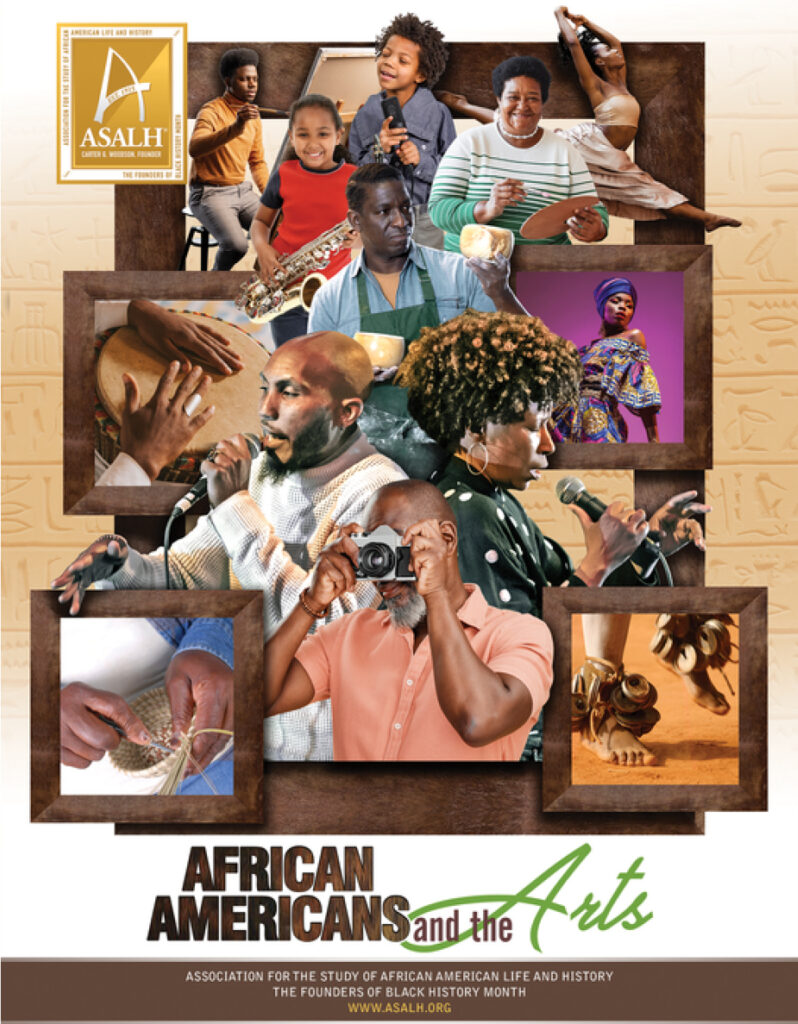
African American art is infused with African, Caribbean, and the Black American lived experiences. In the fields of visual and performing arts, literature, fashion, folklore, language, film, music, architecture, culinary and other forms of cultural expression, the African American influence has been paramount. African American artists have used art to preserve history and community memory as well as for empowerment. Artistic and cultural movements such as the New Negro, Black Arts, Black Renaissance, hip-hop and Afrofuturism, have been led by people of African descent and set the standard for popular trends around the world. In 2024, we examine the varied history and life of African American arts and artisans.
For centuries Western intellectuals denied or minimized the contributions of people of African descent to the arts as well as history, even as their artistry in many genres was mimicked and/or stolen. However, we can still see the unbroken chain of Black art production from antiquity to the present, from Egypt across Africa, from Europe to the New World. Prior to the American Revolution, enslaved Africans of the Lowcountry began their more than a 300-year tradition of making sweetgrass baskets, revealing their visual artistry via craft.
The suffering of those in bondage gave birth to the spirituals, the nation’s first contribution to music. Blues musicians such as Robert Johnson, McKinley ‘Muddy Waters’ Morganfield and Riley “BB” B. King created and nurtured a style of music that became the bedrock for gospel, soul, and other still popular (and evolving) forms of music. Black contributions to literature include works by poets like Phillis Wheatley, essays, autobiographies, and novels by writers such as David Walker and Maria Stewart. Black aesthetics have also been manifested through sculptors like Edmonia Lewis and painters like Henry O. Tanner.
In the 1920s and 30s, the rise of the Black Renaissance and New Negro Movement brought the Black Arts to an international stage. Members of the armed forces, such as James Reese Europe, and artists such as Langston Hughes, Josephine Baker and Lois Mailou Jones brought Black culture and Black American aesthetics internationally, and Black culture began its ascent to becoming a dominant cultural movement to the world. In addition to the Harlem Renaissance, today we recognize that cities like Los Angeles, Chicago, and New Orleans also were home to many Black artists.
The 1960s continued this thread through the cultural evolution known as the Black Arts Movement, where artists covered issues such as pride in one’s heritage and established art galleries and museum exhibitions to show their own work, as well as publications such as Black Art. This period brought us artists such as Alvin Ailey, Judith Jamison, Amiri Baraka, Nikki Giovanni and Sonia Sanchez. The movement would not have been as impactful without the influences from the broader Black world, especially the Negritude movement and the writings of Frantz Fanon.
In 1973, in the Bronx, New York Black musicians (i.e. DJ Kool Herc and Coke La Rock) started a new genre of music called hip-hop, which comprises five foundational elements (DJing, MCing, Graffiti, Break Dancing and Beat Boxing). Hip-hop performers also used technological equipment such as turntables, synthesizers, drum machines, and samplers to make their songs. Since then, hip-hop has continued to be a pivotal force in political, social, and cultural spaces and was a medium where issues such as racial violence in the inner city, sexism, economic disinvestment and others took the forefront.
The term Afrofuturism was used approximately 30 years ago in an effort to define cultural and artistic productions (music, literature, visual arts, etc.) that imagine a future for Black people without oppressive systems and examines how Black history and knowledge intersects with technology and science. Afrofuturist elements can be found in the music of Sun Ra, Rashan Roland Kirk, Janelle Monáe and Jimi Hendrix. Other examples include sci-fi writer Octavia Butler’s novels, Marvel film Black Panther, and artists such as British-Liberian painter Lina Iris Viktor, Kenyan-born sculptor Wangechi Mutu, and Caribbean writers and artists such as Nalo Hopkinson, and Grace Jones.
In celebrating the entire history of African Americans and the arts, the Association for the Study of African American Life and History (ASALH) puts into the national spotlight the richness of the past and present with an eye towards what the rest of the twenty-first century will bring. ASALH dedicates its 98th Annual Black History Theme to African Americans and the arts.
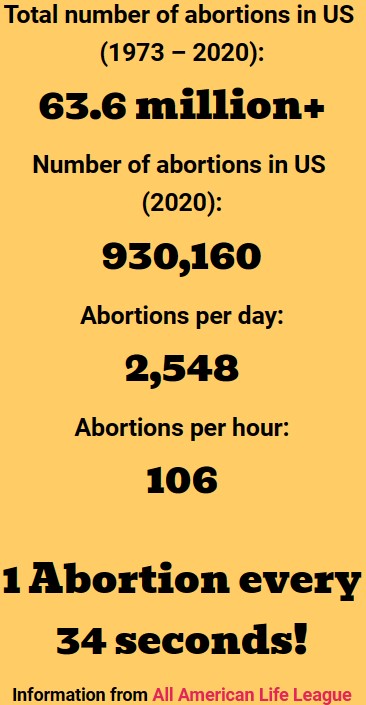
January is Sanctity of Human Life Month, and this year Sanctity of Human Life Sunday (SOHLS) is celebrated on Sunday, January 21, 2024.SOHLS is a day for Americans to focus on the value of each and every human life. It is celebrated every year on the Sunday closest to the anniversary of the 1973 U.S. Supreme Court decisions Roe v. Wade and Doe v. Bolton, which legalized abortion in every state for any reason through all nine months of pregnancy.
In the past two years, the right to abortion has been one of the most heated discussions in our country.
We rejoice that the Supreme Court overturned Roe vs. Wade in 2022. But this hasn’t stopped abortion; it simply placed the decision back into the hands of each state. While many states have chosen to stop abortions, we still recognize the awful tragedy that, on average, the lives of approximately 98 precious babies are ended every hour!
In response to the Supreme Court’s decision, the abortion industry nationwide has stepped up its efforts of promoting a culture of death by offering abortion as the “smart answer” to an unplanned pregnancy during uncertain times.
One of the best ways to stand against this evil is to come together and openly state “We support and defend the Sanctity of Human Life.”
Pastors, churches and life organizations across the United States use this day to bring awareness to the attacks that are daily waged against human life through the abortion industry.
In 1984, President Ronal Reagan issued a presidential proclamation designating the third Sunday of January as National Sanctity of Human Life Day.
“We have been given the precious gift of human life, made more precious still by our births in or pilgrimages to a land of freedom. It is fitting, then, on the anniversary of the Supreme Court decision in Roe v. Wade that struck down State anti-abortion laws, that we reflect anew on these blessings, and on our corresponding responsibility to guard with care the lives and freedoms of even the weakest of our fellow human beings.”
Ronald Reagan
President
We are continuing that tradition by setting this day aside – January 21, 2024 – as a day to pray for the end of the tragedy of abortion, ask for God’s mercy on our country for this heinous sin, and proclaim loudly that all lives are created in the image of God and should be treated as such.
On Sunday, January 21, we declare the sanctity of all human lives and stand together to protect the lives of each and every unborn baby.
“The Lord called me from the womb, from the body of my mother he named my name.” – Isaiah 49:1
“For you created my inmost being; you knit me together in my mother’s womb.
I praise you because I am fearfully and wonderfully made; your works are wonderful, I know that full well.
My frame was not hidden from you when I was made in the secret place, when I was woven together in the depths of the earth.
Your eyes saw my unformed body; all the days ordained for me were written in your book before one of them came to be.” Psalm 139;13-16
We would also like to encourage you to focus on the value of human life all month — and all year — long. Watch the video below to find out four ways that you can make a difference for life this January.
In honor of Martin Luther King Jr. Day, today, following is the complete text of his famous “I Have A Dream” speech, given on the steps of the Lincoln Memorial in Washington, D.C. during the March on Washington for Jobs and Freedom on August 28, 1963. (Listen to the audio, by clicking here.)
– I am happy to join with you today in what will go down in history as the greatest demonstration for freedom in the history of our nation.
Five score years ago, a great American, in whose symbolic shadow we stand today, signed the Emancipation Proclamation. This momentous decree came as a great beacon light of hope to millions of Negro slaves who had been seared in the flames of withering injustice. It came as a joyous daybreak to end the long night of their captivity.
But one hundred years later, the Negro still is not free. One hundred years later, the life of the Negro is still sadly crippled by the manacles of segregation and the chains of discrimination. One hundred years later, the Negro lives on a lonely island of poverty in the midst of a vast ocean of material prosperity. One hundred years later, the Negro is still languishing in the corners of American society and finds himself an exile in his own land. So we have come here today to dramatize a shameful condition.
In a sense we have come to our nation’s capital to cash a check. When the architects of our republic wrote the magnificent words of the Constitution and the Declaration of Independence, they were signing a promissory note to which every American was to fall heir. This note was a promise that all men, yes, black men as well as white men, would be guaranteed the unalienable rights of life, liberty, and the pursuit of happiness.
It is obvious today that America has defaulted on this promissory note insofar as her citizens of color are concerned. Instead of honoring this sacred obligation, America has given the Negro people a bad check, a check which has come back marked “insufficient funds.” But we refuse to believe that the bank of justice is bankrupt. We refuse to believe that there are insufficient funds in the great vaults of opportunity of this nation. So we have come to cash this check — a check that will give us upon demand the riches of freedom and the security of justice. We have also come to this hallowed spot to remind America of the fierce urgency of now. This is no time to engage in the luxury of cooling off or to take the tranquilizing drug of gradualism. Now is the time to make real the promises of democracy. Now is the time to rise from the dark and desolate valley of segregation to the sunlit path of racial justice. Now is the time to lift our nation from the quick sands of racial injustice to the solid rock of brotherhood. Now is the time to make justice a reality for all of God’s children.
It would be fatal for the nation to overlook the urgency of the moment. This sweltering summer of the Negro’s legitimate discontent will not pass until there is an invigorating autumn of freedom and equality. Nineteen sixty-three is not an end, but a beginning. Those who hope that the Negro needed to blow off steam and will now be content will have a rude awakening if the nation returns to business as usual. There will be neither rest nor tranquility in America until the Negro is granted his citizenship rights. The whirlwinds of revolt will continue to shake the foundations of our nation until the bright day of justice emerges.
But there is something that I must say to my people who stand on the warm threshold which leads into the palace of justice. In the process of gaining our rightful place we must not be guilty of wrongful deeds. Let us not seek to satisfy our thirst for freedom by drinking from the cup of bitterness and hatred.
We must forever conduct our struggle on the high plane of dignity and discipline. We must not allow our creative protest to degenerate into physical violence. Again and again we must rise to the majestic heights of meeting physical force with soul force. The marvelous new militancy which has engulfed the Negro community must not lead us to a distrust of all white people, for many of our white brothers, as evidenced by their presence here today, have come to realize that their destiny is tied up with our destiny. They have come to realize that their freedom is inextricably bound to our freedom. We cannot walk alone.
As we walk, we must make the pledge that we shall always march ahead. We cannot turn back. There are those who are asking the devotees of civil rights, “When will you be satisfied?” We can never be satisfied as long as the Negro is the victim of the unspeakable horrors of police brutality. We can never be satisfied, as long as our bodies, heavy with the fatigue of travel, cannot gain lodging in the motels of the highways and the hotels of the cities. We cannot be satisfied as long as the Negro’s basic mobility is from a smaller ghetto to a larger one. We can never be satisfied as long as our children are stripped of their selfhood and robbed of their dignity by signs stating “For Whites Only”. We cannot be satisfied as long as a Negro in Mississippi cannot vote and a Negro in New York believes he has nothing for which to vote. No, no, we are not satisfied, and we will not be satisfied until justice rolls down like waters and righteousness like a mighty stream.
I am not unmindful that some of you have come here out of great trials and tribulations. Some of you have come fresh from narrow jail cells. Some of you have come from areas where your quest for freedom left you battered by the storms of persecution and staggered by the winds of police brutality. You have been the veterans of creative suffering. Continue to work with the faith that unearned suffering is redemptive.
Go back to Mississippi, go back to Alabama, go back to South Carolina, go back to Georgia, go back to Louisiana, go back to the slums and ghettos of our northern cities, knowing that somehow this situation can and will be changed. Let us not wallow in the valley of despair.
I say to you today, my friends, so even though we face the difficulties of today and tomorrow, I still have a dream. It is a dream deeply rooted in the American dream.
I have a dream that one day this nation will rise up and live out the true meaning of its creed: “We hold these truths to be self-evident: that all men are created equal.”
I have a dream that one day on the red hills of Georgia the sons of former slaves and the sons of former slave owners will be able to sit down together at the table of brotherhood.
I have a dream that one day even the state of Mississippi, a state sweltering with the heat of injustice, sweltering with the heat of oppression, will be transformed into an oasis of freedom and justice.
I have a dream that my four little children will one day live in a nation where they will not be judged by the color of their skin but by the content of their character.
I have a dream today.
I have a dream that one day, down in Alabama, with its vicious racists, with its governor having his lips dripping with the words of interposition and nullification; one day right there in Alabama, little black boys and black girls will be able to join hands with little white boys and white girls as sisters and brothers.
I have a dream today.
I have a dream that one day every valley shall be exalted, every hill and mountain shall be made low, the rough places will be made plain, and the crooked places will be made straight, and the glory of the Lord shall be revealed, and all flesh shall see it together.
This is our hope. This is the faith that I go back to the South with. With this faith we will be able to hew out of the mountain of despair a stone of hope. With this faith we will be able to transform the jangling discords of our nation into a beautiful symphony of brotherhood. With this faith we will be able to work together, to pray together, to struggle together, to go to jail together, to stand up for freedom together, knowing that we will be free one day.
This will be the day when all of God’s children will be able to sing with a new meaning, “My country, ’tis of thee, sweet land of liberty, of thee I sing. Land where my fathers died, land of the pilgrim’s pride, from every mountainside, let freedom ring.”
And if America is to be a great nation this must become true. So let freedom ring from the prodigious hilltops of New Hampshire. Let freedom ring from the mighty mountains of New York. Let freedom ring from the heightening Alleghenies of Pennsylvania!
Let freedom ring from the snowcapped Rockies of Colorado!
Let freedom ring from the curvaceous slopes of California!
But not only that; let freedom ring from Stone Mountain of Georgia!
Let freedom ring from Lookout Mountain of Tennessee!
Let freedom ring from every hill and molehill of Mississippi. From every mountainside, let freedom ring.
And when this happens, when we allow freedom to ring, when we let it ring from every village and every hamlet, from every state and every city, we will be able to speed up that day when all of God’s children, black men and white men, Jews and Gentiles, Protestants and Catholics, will be able to join hands and sing in the words of the old Negro spiritual, “Free at last! free at last! thank God Almighty, we are free at last!”
Participate in 90th Anniversary “Explore Your Parks” Adventure Series
By Dave Mason, Public Information Supervisor, East Bay Regional Park District
Welcome to the East Bay Regional Park District’s 90th Anniversary year. After 90 years, the Park District has grown to be the largest regional park district of its kind in the nation, with 73 regional parks available for hiking, biking, swimming, horseback riding, boating, fishing, picnicking, camping, and nature discovery. The Park District manages over 125,000 acres of parklands, 55 miles of shoreline, and more than 1,300 miles of trails in Alameda and Contra Costa counties. Wherever you live in the East Bay, there is a beautiful regional park close to you.
To celebrate 90 years of land preservation, environmental conservation, and recreation, the District is planning a series of events and programs throughout the year, including a community birthday celebration on May 11 and monthly naturalist led “Explore Your Parks” adventure programs, among others. Additional events and programs will be announced throughout the year.
“Join us in celebrating the Park District’s 90 years of milestones and history of environmental conservation and positive experiences in nature,” said Park District General Manager Sabrina Landreth. “We invite the public to enjoy their regional parks and shorelines and celebrate with us throughout the year at events and programs commemorating our 90 years of service to the community.”
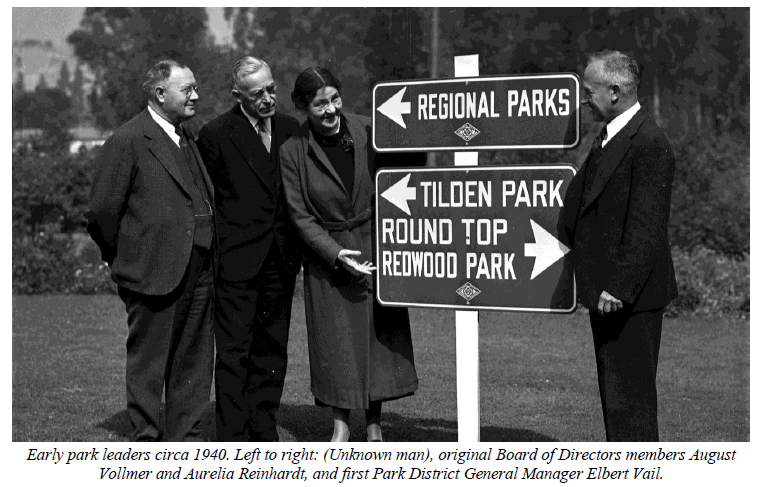
The East Bay Regional Park District’s story began in the late 1920s when thousands of acres of watershed land in the East Bay Hills suddenly became available for development. Civic leaders came together with a vision: preserve the land forever, and balance environmental conservation with public enjoyment.
To aid the cause, they enlisted renowned landscape architect Frederick Law Olmsted, Jr. and National Park Service’s Chief Naturalist Ansel Hall to survey the watershed lands for potential park use. The resulting 1930 Olmsted-Hall report titled “Report on Proposed Park Reservations for East Bay Cities” brought national credibility to the effort and is largely considered the founding document of the East Bay Regional Park District.
Four years later, in the heart of the Great Depression, civic leaders placed a measure on the ballot to establish the Park District and tax themselves for land preservation. The measure passed on November 6, 1934, by a resounding 71 percent – even during trying times and economic instability. On June 4, 1936, the District purchased land from the East Bay Municipal Utility District to create its first three parks – Upper Wildcat Canyon (Tilden), Temescal, and Roundtop (Sibley).
For 90 years, the East Bay Regional Park District has preserved and protected open space and provided safe and welcoming parks for recreation and nature viewing.
90th Anniversary “Explore Your Parks” Adventure Series
Throughout 2024, Park District naturalists are hosting a series of programs and events to celebrate the District’s 90th Anniversary. Look for these events to discover new parks, activities and ways to celebrate 90 years of connecting parks and communities. Celebrate with us!
KING TIDE WALK
Hayward Regional Shoreline (West Winton Ave. Staging Area)
Jan 13 (Sat), noon-1:30 p.m.; Feb 10 (Sat), 11 a.m.-12:30 p.m.
What are king tides? How do they affect plants and animals, and what can we learn from them? Be prepared for muddy shoes! Drop-in program; no registration is required.
COMMUNITY SCIENCE BIO BLITZ
Sunol Wilderness Regional Preserve (Sunol)
Jan 27 (Sat), 10 a.m.-noon
Love nature and want to contribute to real scientific studies? Learn how apps like Seek, iNaturalist, and others are used to help scientists gather data, while enhancing your next hike! Drop-in program; no registration is required.
CELEBRATING BLACK HISTORY WALKS
Thurgood Marshall Regional Park (Concord)
Sundays in February, 10 a.m.-1 p.m.
In honor of Black History Month, tours will explore the southern end of the new Thurgood Marshall Regional Park – Home of the Port Chicago 50, where attendees can learn about the natural and human history of the land. Registration required. www.ebparks.org/calendar.
WINTER WALK
Carquinez Strait Regional Shoreline (Port Costa Staging Area)
Feb 23 (Fri), 9am-noon
Take in the spectacular views of Carquinez Strait and look for signs of spring’s approach along this rolling, paved trail. Heavy rain cancels. Drop-in program; no registration is required. The East Bay Regional Park District is the largest regional park system in the nation, comprising 73 parks, 55 miles of shoreline, and over 1,300 miles of trails for hiking, biking, horseback riding, and environmental education. The Park District receives more than 25 million visits annually throughout Alameda and Contra Costa counties in the San Francisco Bay Area
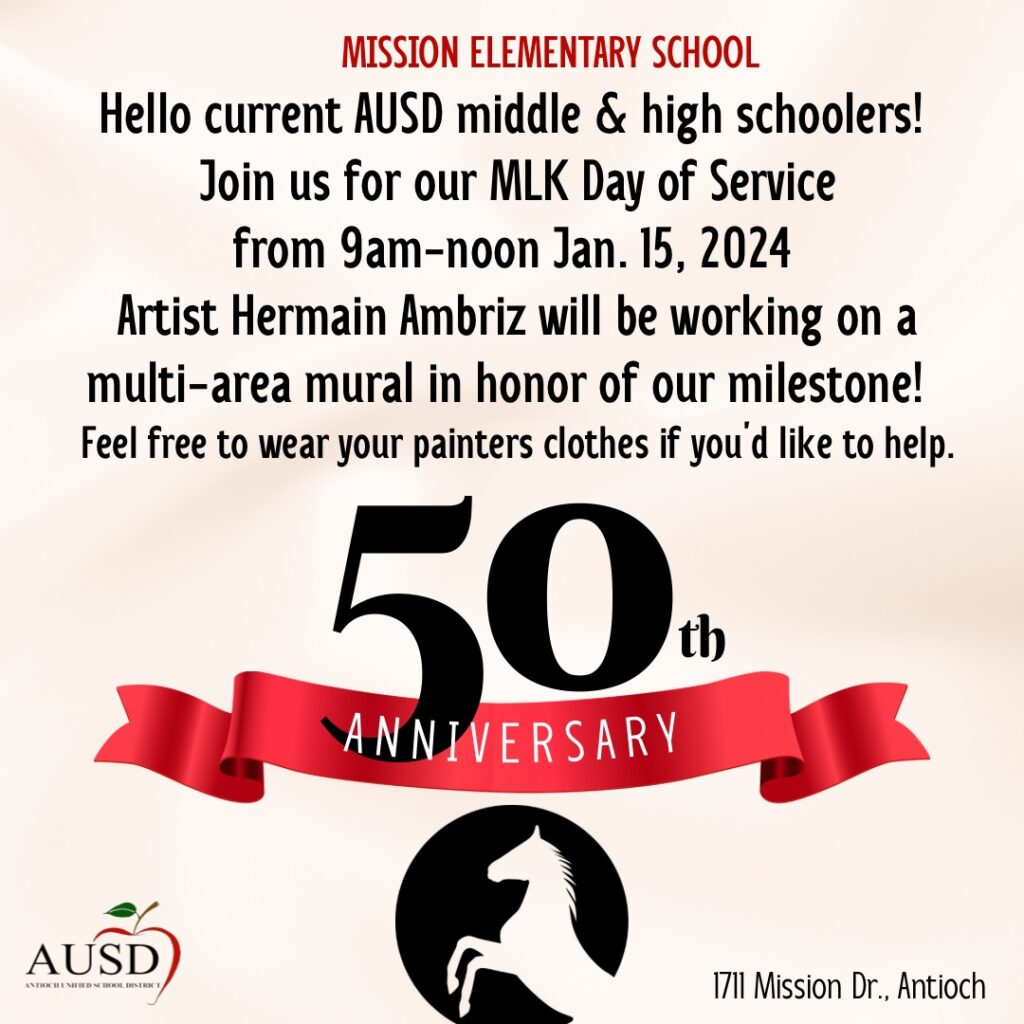
Includes Mission Elementary School’s 50th Anniversary mural project
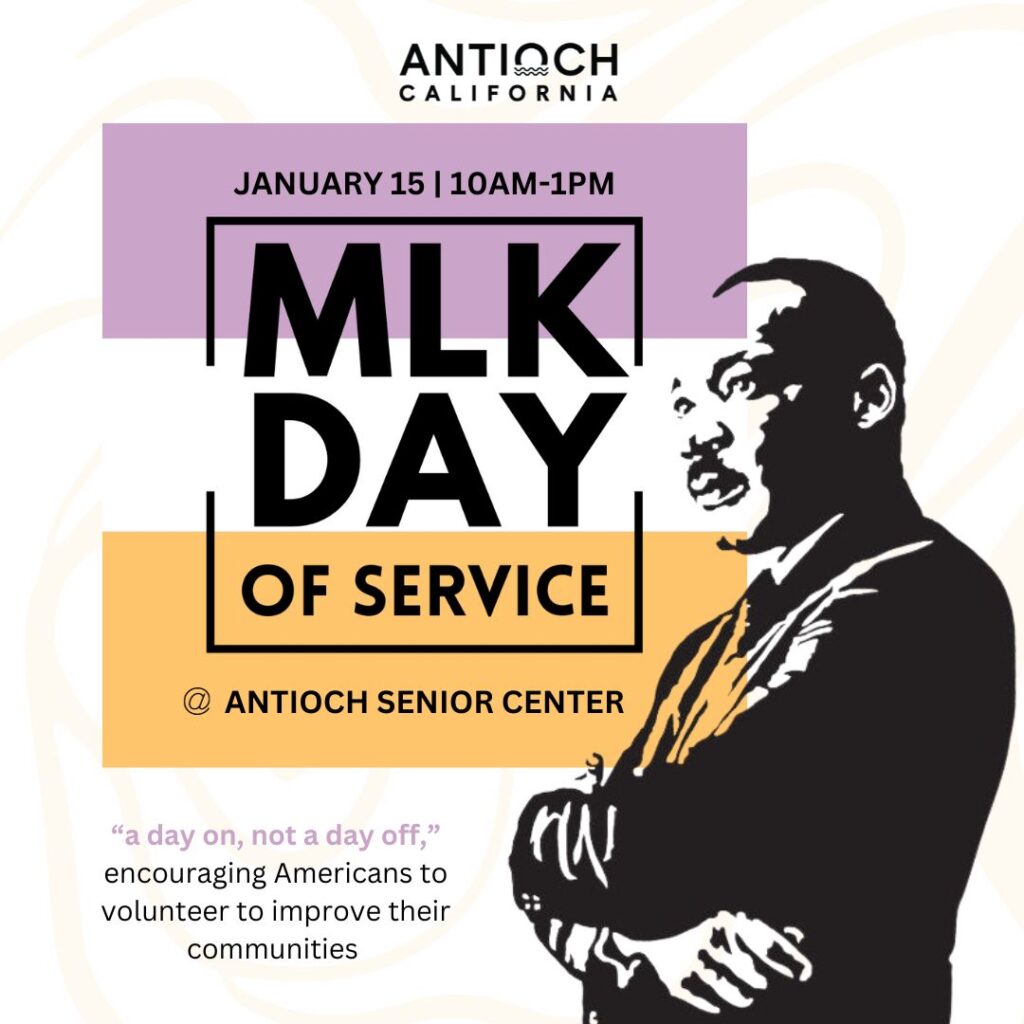
Saturday, January 15, 2024, 10:00am-1:00pm
“Life’s most persistent and urgent questions is, ‘What are you doing for others?” – Martin Luther King Jr., Montgomery, Alabama 1957.
Join us this Martin Luther King Jr. Day as we spend “a day on, not a day off,” encouraging all Americans to volunteer to improve their communities.
Let’s work together to build a stronger Antioch!
Join us at the Antioch Senior Center/Nick Rodriguez Community Center
Bring your senior relatives (e.g., grandparents, aunts, uncles, parents, etc.) or neighbors to the Antioch Senior Center and Nick Rodriguez Community Center, at 415 W 2nd Street in Antioch, to take part in a day of engagement with community members of all ages. Experience exciti19ng and engaging activities, be part of thoughtful discussions and enjoy lunch served by school-age volunteers.
#10892: Volunteer and lead an installation/ mural-based project at Mission Elementary School
Sign up and join us to help create a mural at Mission Elementary School at 1711 Mission Drivein Antioch in celebration of their 50th Anniversary.
#10899: Senior to Senior (ages 14-18) (max 30) We are looking for high school volunteers to have a moderated discussion with Senior citizens about the impact of MLK, equality and equity on our society. Students can also perform spoken word poems and read other MLK related speeches.
#10900: Arts & Crafts (max 20) Volunteer and lead a Martin Luther King Jr. arts and craft themed project for the community.
#10902: Karaoke (max 20) If you like to sing and dance, sign up to volunteer to lead karaoke with the community. Music will consist of themes based on MLK, Jr., freedom, community and celebration of life.
#10903: Activities (max 30) Volunteer to join us for a room full of fun board games, puzzles, and other games. Lead a round of a game or simply take part in playing.
#10904: Lunch Services (max 15) Volunteer and lead the service of preparing and providing lunch to the community and other volunteers
The lyrics in the old Christmas carol pretty much sum up the story of Christmas: “Hark the herald angels sing, ‘Glory to the newborn king! Peace on earth and mercy mild, God and sinners reconciled.’” Because that’s how it’s described in the book of Luke, chapter 2 in the Bible.
“And there were shepherds living out in the fields nearby [Bethlehem], keeping watch over their flocks at night. An angel of the Lord appeared to them, and the glory of the Lord shone around them, and they were terrified. But the angel said to them, ‘Do not be afraid. I bring you good news that will cause great joy for all the people. Today in the town of David a Savior has been born to you; he is the Messiah, the Lord. This will be a sign to you: You will find a baby wrapped in cloths and lying in a manger.’ Suddenly a great company of the heavenly host appeared with the angel, praising God and saying, ‘Glory to God in the highest heaven, and on earth peace to those on whom his favor rests.’” Luke 2:8-14
As we celebrate Christmas, today, exchanging and opening presents, eating wonderful homemade food and watching classic Christmas movies, let’s remember what this holiday is really all about – celebrating the birthday of Jesus, the Christ.
He was, in the slang of speaker Ken Poure, “God in a bod.” He came down from Heaven, made himself lower than the angels and took on the body of a human being, was born as a baby – not into earthly wealth or power, but to a holy, yet imperfect young, virgin woman and a carpenter, to whom she was engaged, and in a stable with domesticated animals looking on, then growing into adulthood, so he could be one of us.
Jesus was the long-awaited Messiah, who the prophet Isaiah proclaimed 700 years before His birth, “For to us a child is born, to us a son is given, and the government will be on his shoulders. And he will be called Wonderful Counselor, Mighty God, Everlasting Father, Prince of Peace. Of the greatness of his government and peace there will be no end. He will reign on David’s throne and over his kingdom, establishing and upholding it with justice and righteousness from that time on and forever.”
However, He was not a political messiah as many sought in that day, to lead a revolt and rescue them from the rule of the Roman Empire, but rather a spiritual, eternal messiah whose kingdom will never end. What’s more important and lasting, something political or spiritual? Obviously, spiritual.
As a human, Jesus was able to communicate with us, show us how to live and love, and share with us God’s message of salvation, which He provided. Instead of the yearly sacrifice of the unblemished lamb, whose blood merely covered over the sins of the people, the unblemished, perfect Christ provided us the once-and-for-all sacrifice, eliminating our sin and defeating the power of death – ultimate, spiritual, eternal death – for those who choose to follow Him and accept Him as their Lord and Savior. He is our bridge to God the Father, who reached down into human history to offer us a way to have a relationship with Him, that had been broken off by the sin of Adam and Eve.
So, today, this Christmas day, I encourage you to read the story of the birth of Jesus, the Christ in Luke, chapter two. Then find a Bible-believing church to attend today to seek out others who understand and have experienced the true meaning of Christmas, found in Jesus, who came to give us hope; salvation from the degradation of sin in our lives – because we all have sinned and come short of the glory of God – the opportunity to have an abundant life, not just one of empty pursuit of pleasure and acquiring things; peace in our hearts; and to be with Him for eternity. Because unlike any other spiritual leader in history Jesus is the only way to God, as he proclaimed “I am the way and the truth and the life. No one comes to the Father except through me.”
And that is the way to have a truly, Merry Christmas!
Allen D. Payton, Publisher
Here are the words to the song that memorializes the most important herald that has ever been – the announcement by the angels of the birth of the Savior of the world, Jesus the Christ, the long-prophesied messiah, born in Bethlehem over 2000 years ago. He was born to bridge the gap between humans and God, due to the sin in their lives, which breaks our fellowship and relationship with Him. This year, you can know the true meaning of Christmas by opening your heart to the message and reason for the season, the birth, perfect life, death and resurrection of Jesus. Learn more by clicking here.
The word hark means listen, and a herald is an official messenger bringing news. That’s why the songwriter referred to them as herald angels, because that’s the type of angels they were, announcing the good news of Jesus’ birth. Enjoy the lyrics and song of “Hark the herald angels sing.”
Hark! The herald angels sing, “Glory to the newborn King!
Peace on earth and mercy mild, God and sinners reconciled”
Joyful, all ye nations rise, Join the triumph of the skies
With the angelic host proclaim: “Christ is born in Bethlehem”
Hark! The herald angels sing, “Glory to the newborn King!”
Christ by highest heav’n adored, Christ the everlasting Lord!
Late in time behold Him come, Offspring of a Virgin’s womb
Veiled in flesh the Godhead see, Hail the incarnate Deity
Pleased as man with man to dwell, Jesus, our Emmanuel
Hark! The herald angels sing, “Glory to the newborn King!”
Hail the heav’n-born Prince of Peace! Hail the Son of Righteousness!
Light and life to all He brings, Ris’n with healing in His wings
Mild He lays His glory by, Born that man no more may die
Born to raise the sons of earth, Born to give them second birth
Hark! The herald angels sing, “Glory to the newborn King!”
“Hark the herald angels sing” Christmas Carol was written by Charles Wesley, brother of John Wesley founder of the Methodist church, in 1739. A somber man, he requested slow and solemn music for his lyrics and thus “Hark the herald angels sing” was sung to a different tune initially. Over a hundred years later Felix Mendelssohn (1809-1847) composed a cantata in 1840 to commemorate Johann Gutenberg’s invention of the printing press. English musician William H. Cummings adapted Mendelssohn’s music to fit the lyrics of “Hark the herald angels sing” already written by Wesley.