







Next Antioch General Plan Advisory Committee meeting Dec. 1
Will discuss Conservation, Open Space and Cultural and Historic Resources
By Allen D. Payton
The next Antioch General Plan Advisory Committee (GPAC) meeting will be held on Tuesday December 1st at 6:00 p.m. during which Conservation, Open Space and cultural and historic resources will be discussed. The meeting is part of the City’s General Plan Update process.
According to the City staff report for item 5 on the agenda, “The fifth GPAC meeting will introduce the topics of conservation, open space, and cultural and historic resources. At the September 1st meeting, the GPAC received foundational land use information. The October 6th meeting addressed economic development and fiscal sustainability, and the November 3rd meeting identified land use priorities to be tested in the Land Use Map Alternatives. This meeting shifts the focus to the natural, scenic, and cultural resources that the General Plan Update (GPU) will address, and how conservation of those resources should shape where and how Antioch grows.”
“Objectives for this meeting are to:
• Provide an overview of Chapter 6, Conservation, of the Existing Conditions Report (ECR), including updated resource mapping prepared for the GPU;
• Introduce new State requirements, particularly the requirements to address wildlife and habitat connectivity and to update open space policies under SB 1425; and
• Receive GPAC input on the current approach to conservation and open space, methods to maintain wildlife and habitat connectivity, open space access and management, and tools to conserve historic and cultural resources.”
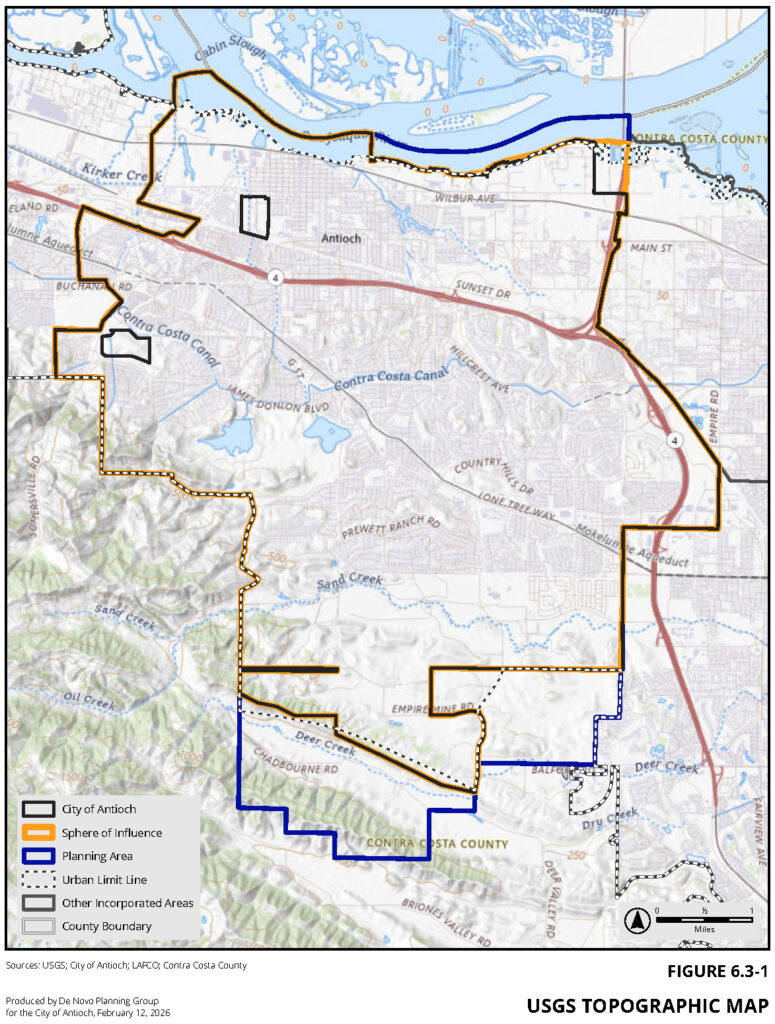
Conservation and Open Space in the General Plan
Also, according to the staff report, “State law requires every general plan to include a Conservation Element and an Open Space Element (Government Code Sections 65302[d], 65302[e], and 65560). In Antioch’s 2003 General Plan, these topics are addressed primarily in the Resource Management Element (Chapter 10), with related policies in the Land Use, Community Image and Design, Public Services and Facilities, and Environmental Hazards Elements. Together, these policies guide:
- Natural resource protection. How the City protects habitat, wetlands, creeks, oak woodlands, special-status species, water quality, and mineral resources as development occurs.
- Open space preservation and access. Which lands remain in open space, how open space is dedicated and managed, and how residents reach the waterfront, creeks, ridgelines, and regional parks.
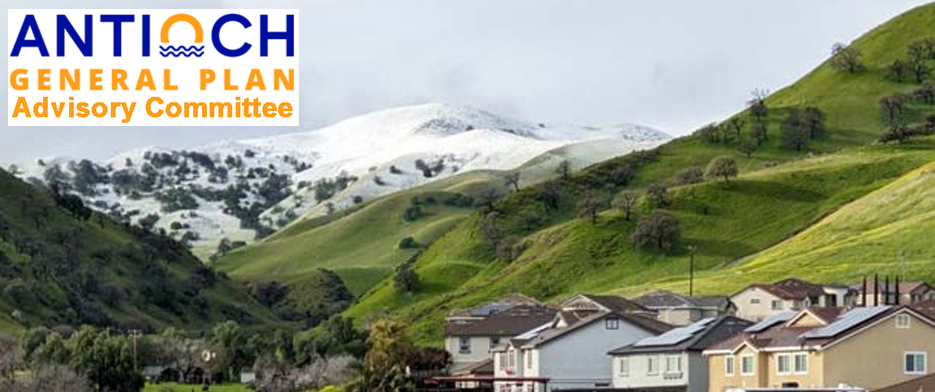
- Scenic resources. Protection of views of Mount Diablo, the ridgelines, and the San Joaquin River, along with hillside design and dark-sky lighting.
- Cultural and historic resources. Identification and protection of archaeological, tribal cultural, paleontological, and historic resources, including historic buildings in Rivertown.
- Development review. Requirements such as Resource Management Plans, creek setbacks, buffers between development and open space, and compensatory mitigation within eastern Contra Costa County.
The Committee will learn about:
Wildlife and Habitat Connectivity, including in the:
- Southern grasslands and foothills;
- Sand Creek, Deer Creek and Marsh Creek corridors; and
- San Joaquin River shoreline; as well as
- Barriers to connectivity such as State Route (SR) 4, SR 160, major arterials, and continuous urban development separate the shoreline from the foothills and separate open space and habitat.
Open Space Element Update, including:
- Equitable access;
- Climate resilience; and
- Rewilding opportunities.
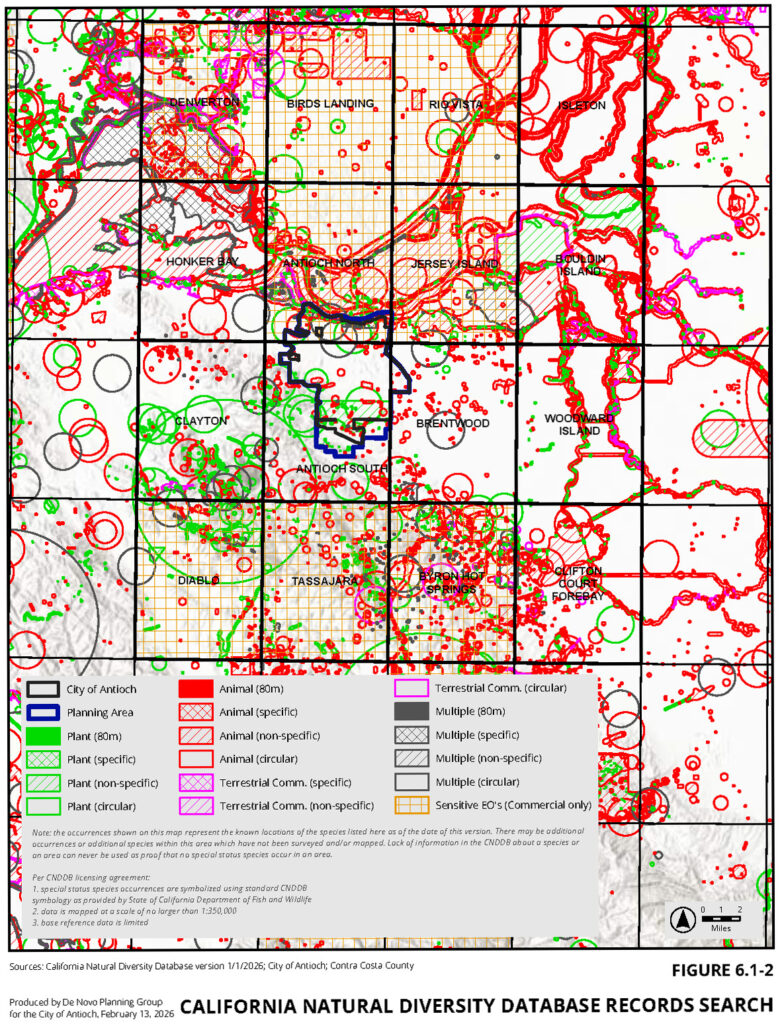
Updated Resource Mapping
The ECR includes updated mapping using current State and federal data that will provide the baseline for the updated Conservation Element policies as shown in Chapter 6: Conservation.
Maps include:
- Land Cover Types;
- California Natural Diversity Database Records;
- Bay Area Air District’s Community Air Risk Evaluation (CARE) Program Cumulative Impact Area and Major Emitters;
- Geology, Soils and Paleontology;
- Mineral Resource Zones;
- Watersheds; and
- Historical Resources
Existing Conditions Summary
Chapter 6 describes the regulatory framework and existing conditions for biological resources, air quality, geology and soils, mineral resources, hydrology and water quality, scenic resources, and cultural and historic resources.
According to that Chapter, “The natural resources in the City and surrounding area form an important part of Antioch’s unique character and quality of life. These resources include plants, animals, and habitats; clean air and water; geologic features, minerals, soils, and paleontological resources; scenic and visual resources, and cultural and historic resources. This chapter describes these resources along with the conditions and activities that may compromise, deplete, or adversely affect them. These resources are described in relation to the City and the General Plan Planning Area (Planning Area), which includes the City boundary and its Sphere of Influence (SOI).”
Chapter topics include:
6.1 Biological Resources and Habitat;
– Regulatory Framework includes Federal Endangered Species Act, Migratory Bird Treaty Act, Bald and Golden Eagle Protection Act, Clean Water Act – Sections 404 and 401, Department of Transportation Act – Section 4(f), Rivers and Harbors Act of 1899, San Francisco Bay Area Habitat Conservation Plan, State Fish and Game Code Sections 2050-2097 – California Endangered Species Act, Fish and Game Code Sections 1900-1913 – California Native Plant Protection Act, Fish and Game Code Sections 3503, 3503.5, 3800 – Predatory Birds and Sections 1601-1603 – Streambed Alteration, Public Resources Code Section 21000 of the California Environmental Quality Act (CEQA), California Oak Woodland Conservation Act, California Wetlands Conservation Policy, Natural Community Conservation Planning Act, Porter-Cologne Water Quality Control Act, Right to Roam Act; plus, local City of Antioch General Plan goals, policies, and objectives related to biological resources including the Public Services and Facilities Element and Resource Management Element, and the City of Antioch Municipal Code.
– The Committee must also consider the Bioregion: Antioch is located within the Bay Area/Delta Bioregion; Plant Communities, California Wildlife Habitat Relationship System, Developed Cover Types including Cropland, Deciduous Orchard and Urban habitats and Vineyards; Aquatic Cover Types including Lacustrine habitats which are inland depressions or dammed riverine channels containing standing water and may occur in association with any terrestrial habitats, Riverine, or Fresh Emergent Wetlands; Herbaceous Cover Types including Annual Grassland, Fresh Emergent Wetland, Perennial Grassland and Saline Emergent Wetland habitat; Tree-Dominated Cover Types including Blue Oak-Foothill Pine, Coastal Oak Woodland, Eucalyptus, Valley Foothill Riparian, Valley Oak Woodland, Montane Hardwood and Blue Oak Woodland habitats; Shrub-Dominated Cover Types including Alkali Desert Scrub, Chamise-Redshank Chaparral, Coastal Scrub, Mixed Chaparral habitats, as well as Barren habitat defined by the absence of vegetation; Special-Status Species including 27 special-status plant species present or potentially present within one mile of the Planning Area and documented occurrences of 74 special-status plant species within the 16-quadrangle search area of the Planning Area; 36 species of Special Status Animals present or potentially present within one mile of the Planning Area and documented occurrences of 77 special status animal species within the 16-quadrangle search area of the Planning Area including Amphibians, Insects, Birds, Crustaceans, Fish, Mammals and Reptiles; 10 Sensitive Natural Communities within 16 quads of Antioch; and Wildlife Refuges including the Antioch Dunes National Wildlife Refuge which supports the last known populations of the endangered Antioch Dunes evening primrose, the Contra Costa wallflower, and the Lange’s metalmark butterfly.
6.2 Air Quality – Air Quality, Greenhouse Gases, and Energy including Regional air quality, Community health risk, Greenhouse gases and energy and Climate resilience and natural resources.
6.3 Geology, Soils, and Seismicity;
6.4 Mineral and Energy Resources;
6.5 Hydrology and Water Quality including Water supply and quality, and Groundwater;
6.6 Scenic Resources including Parks and regional open space, Waterfront, Ridgelines and views and Scenic highways; and
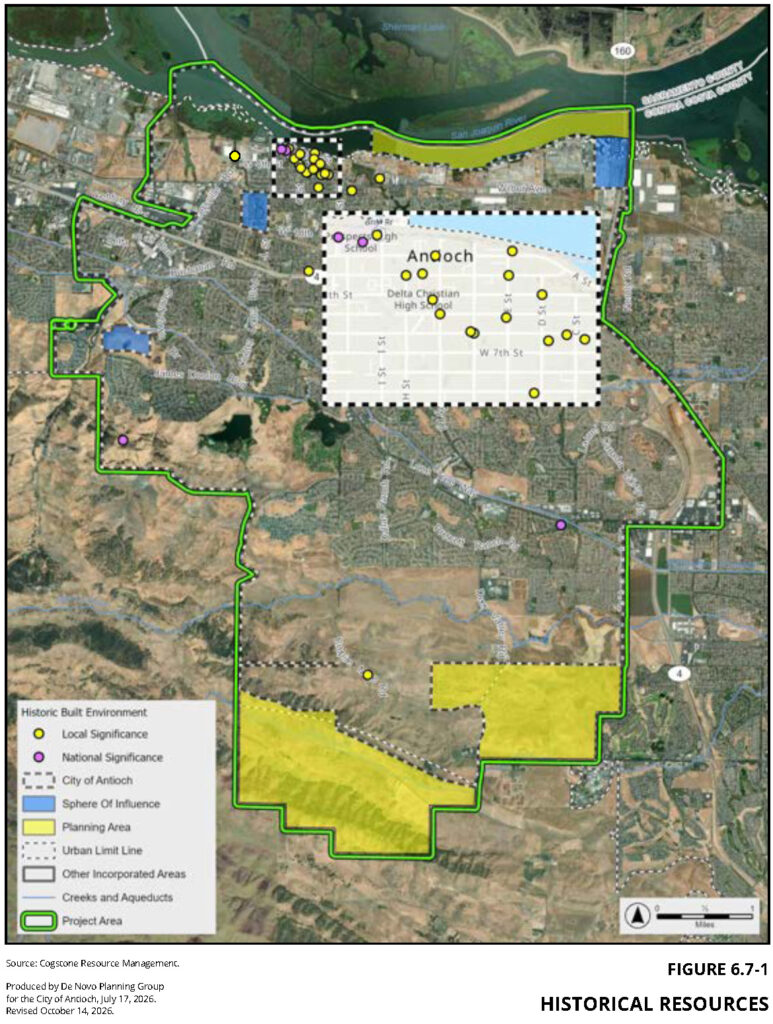
6.7 Cultural and Historic Resources including Recorded resources such as 187 recorded cultural resources within the city, including 116 historic buildings and structures, 50 historic archaeological sites, and 6 prehistoric archaeological sites; Listed and eligible resources including four resources listed in the National Register of
Historic Places: Black Diamond Mines, the Shannon-Williamson Ranch, the Roswell Butler Hard House, and the Riverview Union High School Building. Eight more have been found or recommended eligible, plus, the Mount Diablo Coal Field is California Historical Landmark No. 932, (the old Casino Building is not included); and Tribal consultation – the City will consult with California Native American tribes as part of the GPU in compliance with state law.
General Plan Update Details
According to the City’s website, “Each city in California is required to have a General Plan, which provides long-term policy guidance for the community’s growth and development, addressing physical, economic, social, and environmental changes. The General Plan provides opportunities to improve the quality of life in Antioch – enhancing public safety and fostering the vibrant, safe community we all deserve.
“This General Plan Update is our direct opportunity to address key challenges and set a new course. This General Plan Update is a way for you to share your vision for the future of Antioch. After the General Plan Update is complete, the zoning code will be revised to reflect the updated General Plan.”
The meeting will be held inside the Council Chambers at Antioch City Hall, 200 H Street in historic, downtown Rivertown.
See meeting agenda and learn more about the General Plan Update process at Antioch General Plan.
the attachments to this post:
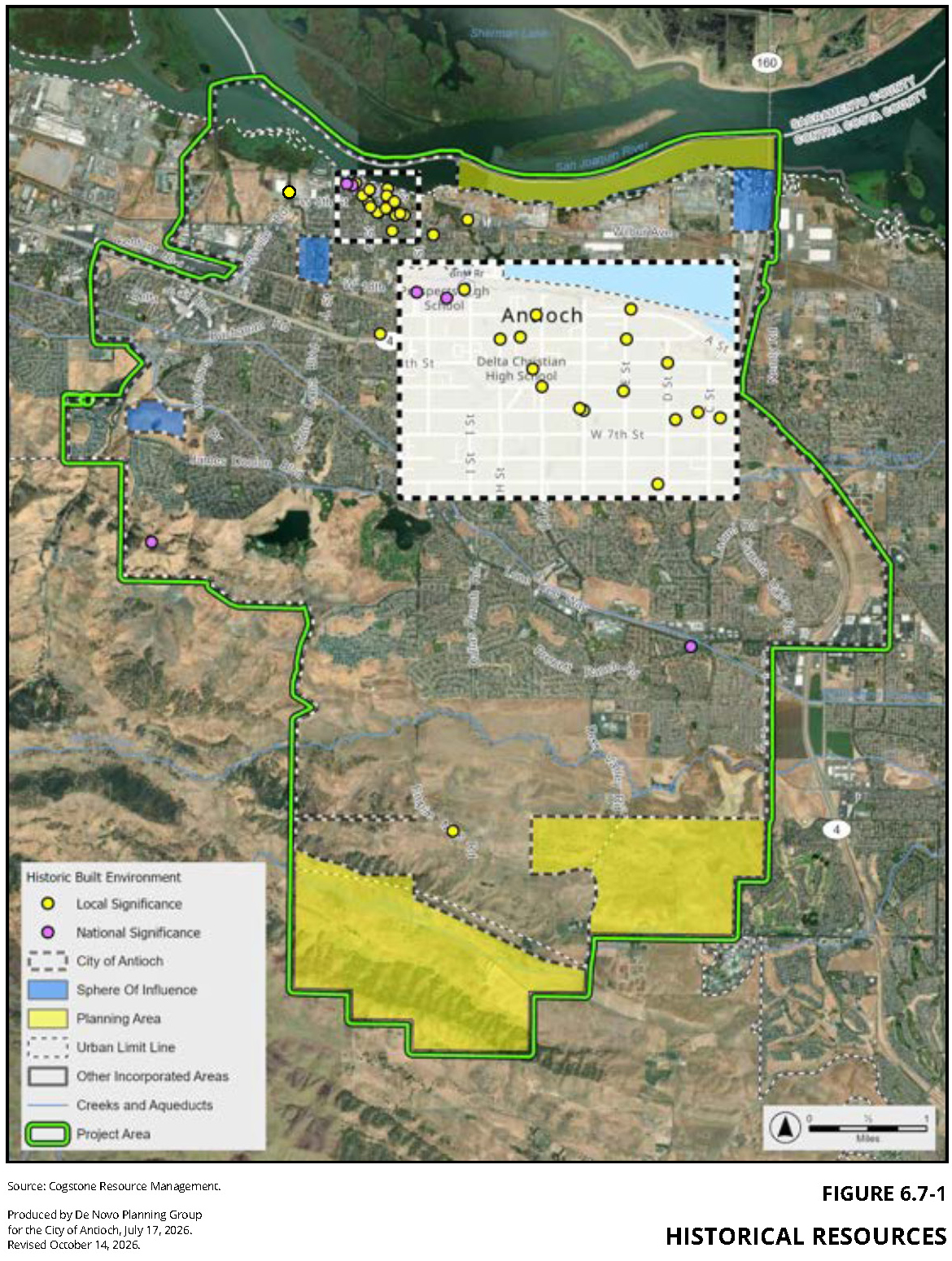
AGP Update Historical Resources map
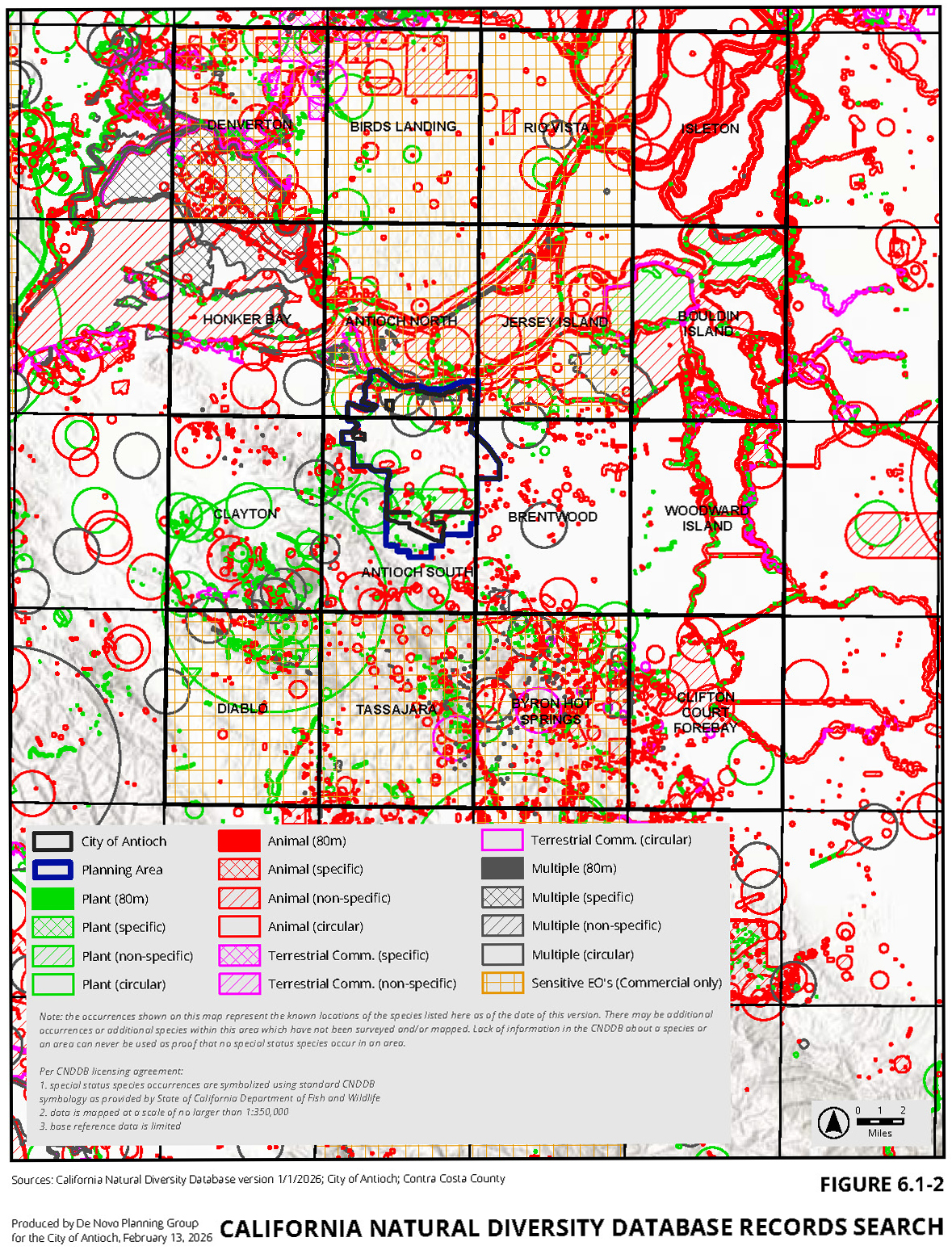
AGP Update 16-quadrangle for Planning Area map
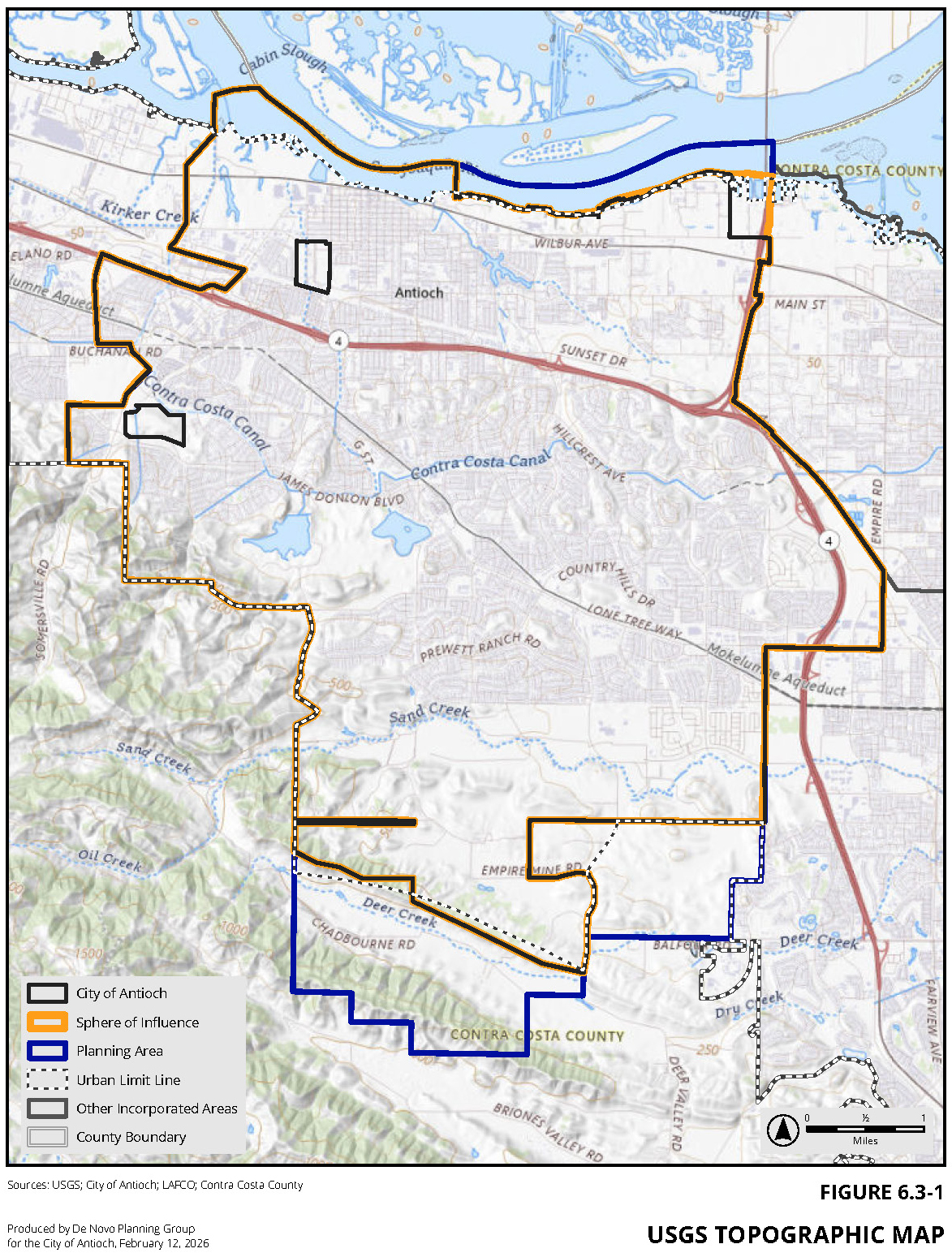
AGP Update Antioch Topo map
GPAC mtg 12-01-26 Conservation