








How does the escrow process work?
By Patrick McCarran, Real Estate Broker

An offer has been accepted, and a closing date has been set. Now the home is going through escrow, and the process begins and ends once the financing is approved and the buyer and seller have fulfilled their requirements. So how does it work?
A neutral third-party agent of the principals—buyer, seller, lender and borrower—is designated the escrow holder. This agent assists with the transfer of ownership by ensuring that the terms of the transaction are completed including safeguarding all funds (including the buyer’s deposit) and documents.
The escrow holder is given instructions from the buyer and seller and keeps track of obligations. For example, if the seller is required to supply a termite inspection, the escrow holder will make sure it is fulfilled before any funds are transferred to the seller. Findings in the termite inspection report must be corrected on or before the close of escrow.
In addition, the escrow holder receives from the title company a complete ownership history of the property and any liens on record in the preliminary title report. Any discrepancies that affect the condition of the title, such as condo liens, judgments, etc., against the buyer and seller, must be addressed prior to close of escrow.
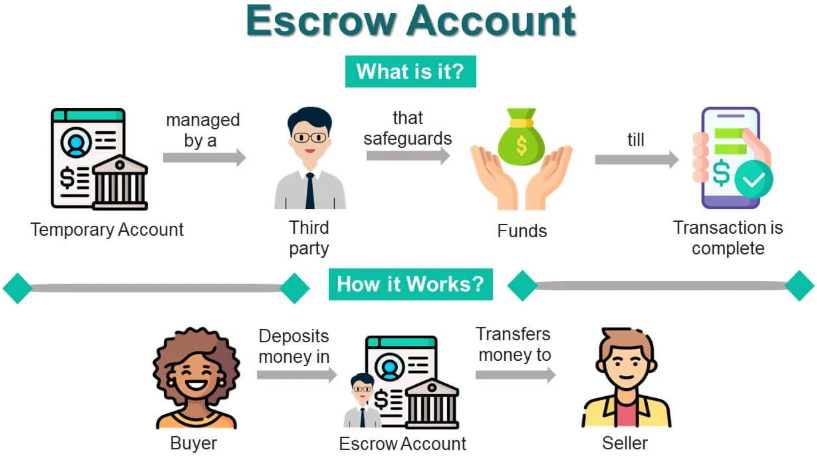
The escrow process can last any number of days depending on what is agreed upon between the buyer and the seller. To ensure a timely closing, it is important that each party provides the escrow holder requested information as soon as possible. For example, a lender will not fund a new home without a homeowner’s insurance policy. Without the lender’s verification that there is insurance, the escrow process may be delayed. An unsecured source of funding, such as a personal check, can also delay the process, because it takes longer for those types of funds to clear.
Most buyers think that their check will not be cashed until the close of escrow, but that is not the case. The check is cashed by the escrow company immediately and held in a trust account. If anything out of the ordinary is to be done at the close of escrow with the seller’s proceeds, the escrow holder must be notified. A signed amendment is required for wiring funds or splitting proceeds.
The escrow process is just one step towards fulfilling the dream of homeownership. Your real estate professional can provide more detail on the escrow process, as well as answer other questions you may have about home buying and selling.
Patrick McCarran is a local Realtor and Broker DRE# 01325072. He can be contacted by phone or text at (925) 899-5536, pmccarran@yahoo.com or www. CallPatrick.com. An independently owned and operated office. In association with Realty One Group Elite DRE# 0193160. Equal Housing Opportunity.
Paid advertising.
the attachments to this post:
Escrow Account graphic thepaymentsbusiness