








The rules just changed for Californians 55 to 64 on food assistance
Able-bodied must now document 80 hours a month of work, job training or volunteering
By Tyler McCarthy, Outreach Associate and Eve Birge, CEO, White Pony Express
Until this June, if you were 55 to 64 and on CalFresh, you were exempt from the program’s strictest work rules. Not anymore.
Under the One Big Beautiful Bill Act, signed into law in July 2025, adults in that age range who are considered able-bodied and don’t have a child under 14 at home must now document 80 hours a month of work, job training or volunteering — or lose their food assistance after three months. California’s rules changed June 1.
Think about who that catches. Too young for Medicare. Too early for full Social Security without a permanent cut to the check. Often job-hunting in a market that stopped calling back the moment their resume showed 20 years of experience.
Learn about the new rules for other age groups, here.
Nationally, SNAP (Supplemental Nutrition Assistance Program) enrollment has dropped by four and a half million people since the law passed — about 11 percent. Fewer people getting help is not the same as fewer people needing it, and this is exactly the age group already reporting the most hardship. Food insecurity among adults 50 and older has been climbing for two decades, and it shows up later as worse health, poorer diets and a harder time managing chronic disease. Meanwhile, groceries cost around 30 percent more than they did before the pandemic. More than 4 in 10 older adults now say prices at the store have outrun their budget, according to AARP.
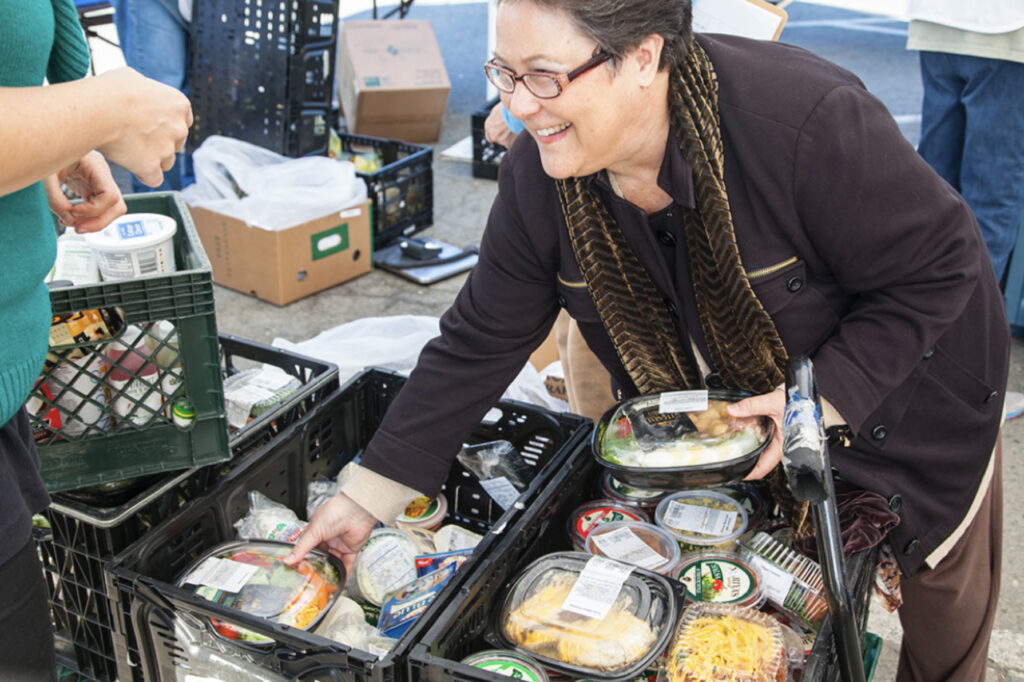
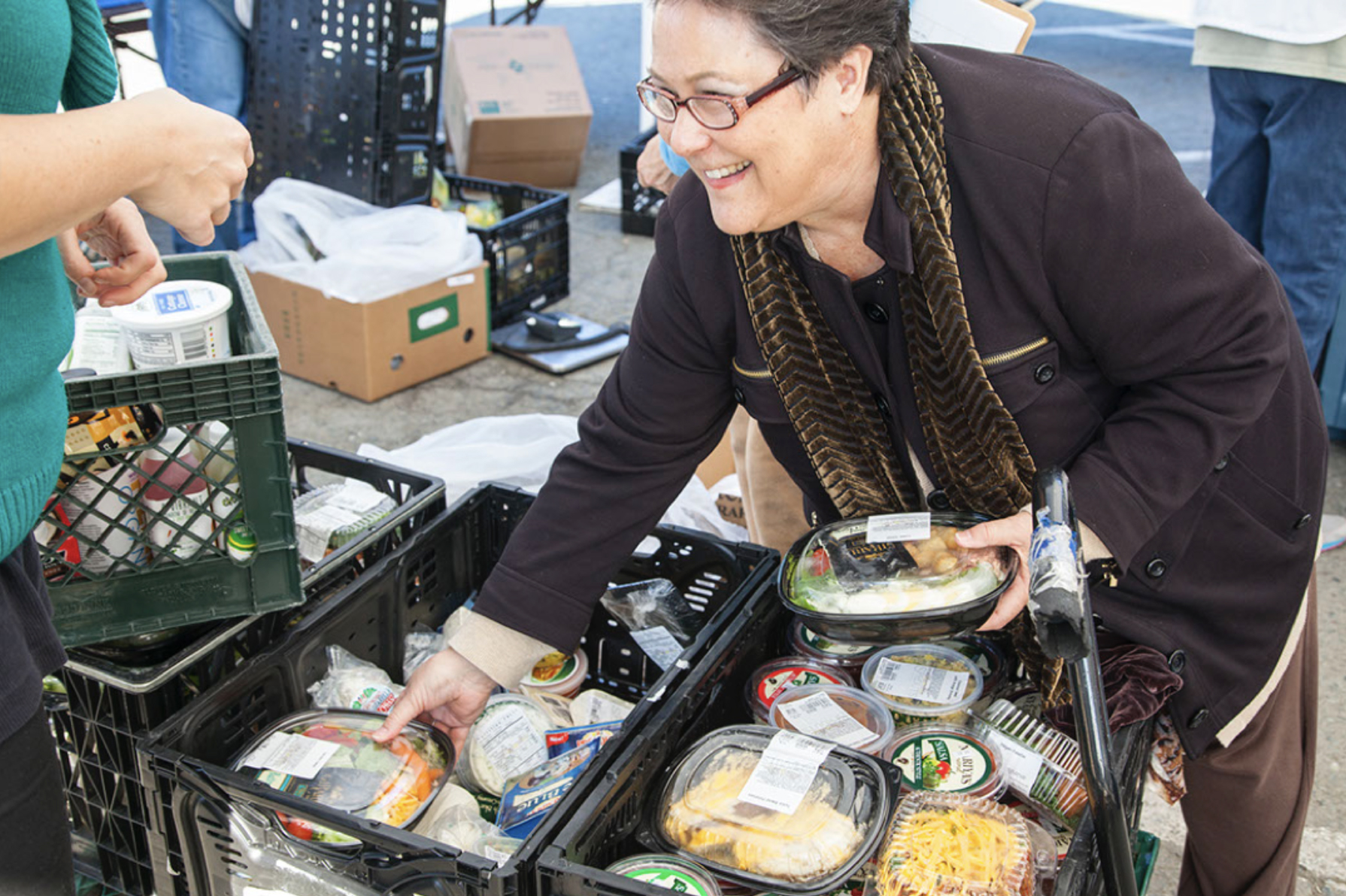
White Pony Express meets them where they already are. Nearly all its 144 partner agencies serve older adults; 18 serve seniors exclusively. Its drivers bring fresh produce, dairy and protein to senior housing and community centers, and set it out like a farmers’ market, not a handout, so people choose what they want and stay to visit, share recipes and build community.
The program coordinator at a food pantry in San Pablo explained it best: “We serve seniors who have a fixed income and use it to pay bills and rent. Food is something they have to find. They survive through this kind of service.”
Since 2013, White Pony Express (WPE) has done this at no cost to its nonprofit recipients and no cost to the people they feed. Help WPE reach more neighbors: volunteer or donate at whiteponyexpress.org.
White Pony Express is a food rescue nonprofit based in Concord, California.
Sources:
- Until this June, if you were 55 to 64 and on CalFresh, you were exempt from the program’s strictest work rules. Not anymore.
- “OBBBA raises the age limit for ABAWD (Able-Bodied Adults Without Dependents) work requirements, from 55 to 64.” (Think Global Health, 2026)
- Under the One Big Beautiful Bill Act, signed into law in July 2025, adults in that age range who are considered able-bodied and don’t have a child under 14 at home must now document 80 hours a month of work, job training or volunteering — or lose their food assistance after three months.
- “Under the One Big Beautiful Bill Act, more adults need to prove they work or volunteer for at least 80 hours a month to access food benefits. These work requirements now apply to veterans, homeless individuals, young adults aging out of foster care, parents with a child between 14 and 17, and people between 55 and 64.” (NPR, 2026)
- “People who have to meet the work or community engagement requirement must participate in qualifying activity for up to 20 hours per week, or 80 hours averaged monthly. Qualifying activities include:
- Paid employment
- Volunteer work or community service
- Job training or work programs
- Education
- Workfare
- Combination of any of the above.” (CDSS, 2026)
- California’s rules changed June 1.
- “Starting June 1, 2026, the federal government’s rules on CalFresh work and community engagement requirements are changing in California. This means that some CalFresh recipients between the ages of 18-64 will have to meet work and community engagement requirements to keep their CalFresh benefits.” (CDSS, 2026)
- Nationally, SNAP enrollment has dropped by four and a half million people since the law passed — about 11 percent.
- “We estimate that SNAP participation nationwide fell by more than 4.5 million people (11 percent) between the law’s July 2025 enactment and April 2026, based on the latest month of data from the U.S. Department of Agriculture (USDA) and data from the Georgia Department of Human Services provided in an open records request.” (CBPP, 2026)
- Food insecurity among adults 50 and older has been climbing for two decades, and it shows up later as worse health, poorer diets and a harder time managing chronic disease.
- “Food insecurity among older adults has risen over the past two decades, contributing to poorer diet quality, declining physical health, heightened risk of cognitive impairment, and more challenging chronic disease management.” (Think Global Health, 2026)
- Meanwhile, groceries cost around 30 percent more than they did before the pandemic.
- “The price of food purchased for home use rose 33% from 2019 through June 2026.” (AP News, 2026)
- More than 4 in 10 older adults now say prices at the store have outrun their budget, according to AARP.
- “In a December 2025 AARP survey, more than 4 in 10 adults ages 50-plus said grocery prices now cost more than they can afford, compared with one-third of adults under 50.” (AARP, 2026).
the attachments to this post:
Food assistance for seniors