Archive for the ‘News’ Category

Three-car accident in Antioch takes life of 93-year-old Clayton woman Saturday afternoon

Monday, April 23rd, 2018

By Sergeant/Interim Lieutenant John Fortner #3264, Antioch Police Field Services Division

On Saturday, April 21, 2018 at 3:05 pm, Antioch officers responded with medical personnel on the report of a vehicle accident located on James Donlon Boulevard near Silverado Drive. Witnesses in the area reported that three vehicles were involved with one vehicle sustaining major collision damage. Upon arrival, it was determined that a Buick Regal sedan travelling northbound on Silverado Drive pulled out onto James Donlon Boulevard. A Ford F-150 pick-up truck was travelling eastbound on James Donlon Boulevard approaching the intersection. The Ford truck collided with the driver’s side of the Buick sedan pushing it into another vehicle on the roadway.

The Buick sedan was occupied by a 93-year-old elderly driver. The Contra Costa Coroner’s Office identified the driver as Clayton resident Betty James. The driver of the Buick had to be extricated from the vehicle and was taken to an area hospital for injuries sustained in the collision. The elderly driver was admitted into the hospital and subsequently succumbed to their injuries today.

The other involved parties were not seriously injured and remained at the scene until police and emergency personnel arrived. Alcohol and/or drugs did not appear to be a factor in this collision.

This preliminary information is made available by the Field Services Division. Any further inquiries into the status of this case should be done via the Media Access Telephone Line (925) 779-6874. Any further information or additional press releases will be provided by the Antioch Police Department’s Traffic Unit.

Anyone with information is asked to call the Antioch Police Department’s non-emergency line at (925) 778-2441. You may also text-a-tip to 274637 (CRIMES) using the key word ANTIOCH.

East Bay Regional Park District to purchase Roddy Ranch Golf Course

Friday, April 20th, 2018

East Bay Regional Park District Ward 7 Director Colin Coffey, Park Supervisor Rex Caufield, and East Contra Costa County Habitat Conservancy Board Member Keith Haydon visit the Roddy Ranch Golf Course on April 5th, 2018.

Purchase brings future Deer Valley Regional Park to 3,254 total acres

By Dave Mason, Public Information Supervisor, EBRPD

Oakland, CA – On April 3, 2018, the East Bay Regional Park District Board of Directors unanimously approved acquisition of the Roddy Ranch Golf Course. The 230-acre property is being acquired in partnership with the East Contra Costa County Habitat Conservancy, which is providing funding for the majority of the purchase price. The total acquisition cost is $1,955,000 with the Conservancy providing $1,935,000 and the District $20,000, which covers the original purchase option. The District is also providing $205,000 for the purchase of on-site, non-land property. All District funds are coming from Measure WW, approved by voters in 2008.

The 230-acre golf course property, along with the previously acquired Roddy Ranch properties, are part of the envisioned Deer Valley Regional Park. Deer Valley Regional Park was included in the District’s 2013 master plan to protect habitat and expand recreational opportunities in East Contra Costa County. The purchase brings the future Deer Valley Regional Park to 3,254 total acres.

“The golf course property is the final step in acquiring Roddy Ranch, previously planned for development, and securing it as permanent open space for the community’s enjoyment,” said East Bay Regional Park District Director Colin Coffey. “Acquisition of the former golf course property is a unique opportunity to enhance public access in East Contra Costa County.”

“The property also includes existing infrastructure and utility services which will help accelerate development of the future Deer Valley Regional Park,” added Coffey.

The total purchase includes a 140-space parking area, three vault toilets, three retention ponds, and existing water and electrical service.

“Assembling the Roddy Ranch properties and bringing them to public use was a decades-long effort,” said East Bay Regional Park District General Manager Robert Doyle. “Thank you to the East Contra Costa County Habitat Conservancy, which is such an important and valuable partner in protecting and preserving open space in East Contra Costa County.”

“Thank you also to Donna and Jack Roddy for preserving this beautiful area and being good stewards of their property for so long,” added Doyle.

The 18-hole golf course announced its closing on August 11, 2016 after 16 years of operation. Many of the golf course greens and fairways have reverted to a more natural state. The golf course property and surrounding former Roddy Ranch properties, will continue to be grazed to manage vegetation and reduce fire risks.

Park planning is expected to take several years and requires substantial environmental evaluation and community engagement. However, assembling a majority of the Roddy Ranch and other recently acquired properties as one new contiguous Park District property represents a giant leap forward toward bringing Deer Valley Regional Park to fruition.

The East Bay Regional Park District is a system of beautiful public parks and trails in Alameda and Contra Costa counties east of San Francisco Bay, established in 1934. The system comprises 121,000 acres in 73 parks including over1,250 miles of trails for hiking, biking, horseback riding and nature learning.


Contra Costa Supervisors examine $3.5 billion 2018-19 budget

Thursday, April 19th, 2018

In era of federal funding uncertainty

By Daniel Borsuk

Contra Costa County Supervisors are poised to approve on May 8 a $3.5 billion 2018-19 budget realizing that during the upcoming budget year there is the likelihood significant funding cuts out of Washington might especially hit human services programs.

“The current administration in Washington is likely to reduce funding to states and counties,” county administrator David Twa warned supervisors at Tuesday’s board budget hearing.

Even with that caution, supervisors did not blink an eye and proceeded to listen to six budget presentations from department chiefs about what is in store for the upcoming 2018-2019 fiscal year.  Supervisors did not comment about the prospects of federal or state cuts next fiscal year at the hearing, but neither did any of the meager number of persons who showed up to speak about the proposed 2018-19 spending plan.

The Employment & Human Services Department is subject to perhaps the most significant funding cuts from Washington, EHSD Director Kathy Gallagher told supervisors.  Since 2017, funding for the department’s CalFresh and CalWorks programs that deliver food and job training for 65,000 residents has had federal funding trimmed from $101.5 million in 2016 to $90.4 million to 2018.  More cuts are expected for the two programs in the upcoming 2018-19 fiscal year, she said.

Gallagher painted a bleak federal funding fiscal picture showing a watch list of human service programs that could potentially be hit with steep federal funding cuts.  Some of those programs include Medicaid, Community Service Block Grants, Child Welfare Services, and the Older American Act, which includes Meals on Wheels.

Federal funding uncertainty also hovers over County Health Services, but not as severely as what EHSD faces, Contra Costa County Health Director Anna M. Roth told supervisors, in presenting her department’s proposed $1.8 billion budget for 2018-19.  Next year’s budget includes $100 million in general funds.

Roth noted that expansion of the Contra Costa Health Plan with more than 200,000 members provides the county financial support, especially when there is financial uncertainty coming out of Washington.

Addressing only the $241,271,160 in general funds proposed for 2018-19, Contra Costa Undersheriff Michael Casten, who filled in for Sheriff David O. Livingston who was out of town, said a $5.6 million vacancy factor makes it “a very difficult for the Office of the Sheriff-Coroner to operate”.

Casten said the funding deficit means for 2018019 the Sheriff-Coroner will not fill 10 deputy sheriff slots worth $2.6 million, three mental health evaluation team deputies openings worth a combined $781,000, 7 patrol deputies worth $1.82 million and six sergeants worth $1.77 million.  The Sheriff-Coroner’s request for 15 recruit positions valued at $1.21 million was approved for the upcoming fiscal year.

For Diana Becton, the Interim Contra Costa County District Attorney appointed by the board of supervisors last year who is up for election June 5, budget priorities for 2018-19 include enforcement of Proposition 64 (2016 voter approval for the legalization of the sale of marijuana in California), hiring of additional clerical staff, the implementation of a case management system and pay parity.

For 2018-19, Becton wants to add 14 full-time staff worth $1 million.  Those positions include five mainline prosecution assistant district attorneys, five mainline prosecution clerks, two senior inspectors and one forensic accountant.

District attorney Becton wants to also distribute resources for bail reform, the East County Anti-Violence Coalition, the West County Anti-Violence Coalition, the Safe Streets Task Force and anti-truancy initiatives.

Public Defender Robin Lipetzky plans to hire 8 staff members to her department next fiscal year.  She plans to hire two attorneys, one investigator, pretrial attorneys, and clerical staff.  A new juvenile office in Walnut Creek will open in the next month, she informed supervisors.  Last year the public defender handled 501 juvenile cases.  Her department last year also handled 3,545 felony cases.

For 2018-19, Contra Costa Public Works will be busy filling 15 positions, Brian Balbas, Public Works Director said.  The department will need the additional staff as Balbas needs more staff to oversee a big increase in capital improvement projects, including the construction of a new $110 million county administration building and emergency communication center.

New West County Health Center Expansion Project Approved

On a consent item, supervisors awarded a $12.45 million design-build contract to C. Overaa & Co. for the design and construction of the West County Health Center Expansion Project at 13585 San Pablo Ave., in San Pablo.

When the project is completed, the new two-story, 20,000 square foot building will house the Behavioral Health Department, which will be relocated from a leased building.  The new building will qualify for a LEED Silver rating from the Green Building Council.

Other construction firms competing for the design-build contract were Vila Construction and Boldt Co.

College District – Sheriff-Coroner Contract OK’d

Supervisors also approved the $497,250 contract between the Sheriff-Coroner and Contra Costa Community College District to provide educational course construction at the Law Enforcement Training Center at Los Medanos College for the period July 1, 2018 through June 30, 2019.

Construction begins Wednesday on new fast-food restaurant at Somersville Towne Center

Tuesday, April 17th, 2018

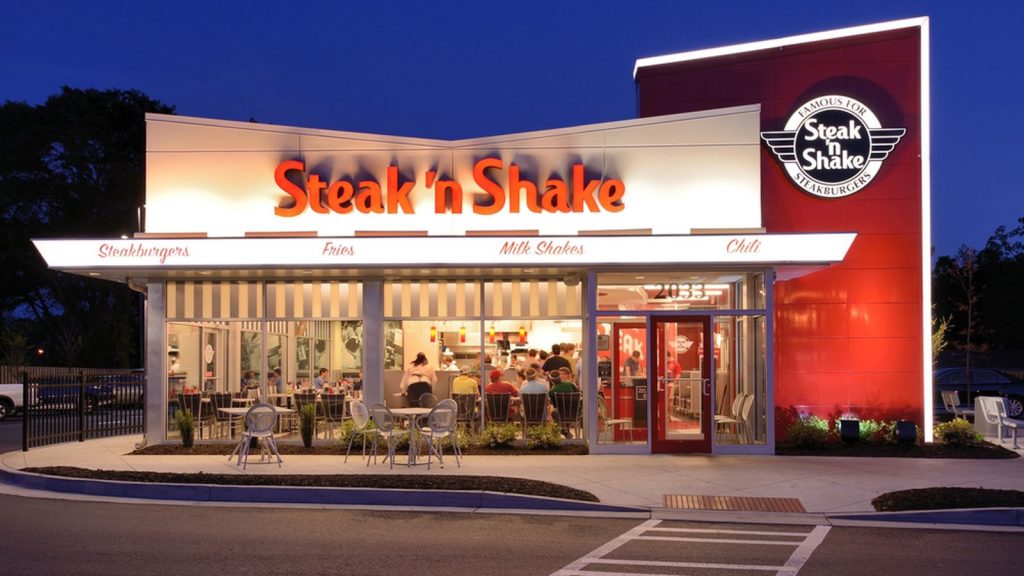
Steak ‘n Shake Antioch is hiring.

By Allen Payton

Somersville Towne Center Marketing Manager, Shannon Skinner announced on Tuesday, April 17, “Tomorrow morning(Wednesday) at 6:30 a.m., we will be commencing the construction for the new Steak ‘n Shake restaurant.”

According to the company website, Steak ‘n Shake was founded in February 1934 in Normal, Illinois. Gus Belt, Steak ‘n Shake’s founder, pioneered the concept of premium milkshakes and a “better burger”, by hand-crafting cuts of steak to create its flagship Steakburgers™.

Since then, the brand has become one of the most recognized and loyal brands in the restaurant franchising business, synonymous with freshness and quality.

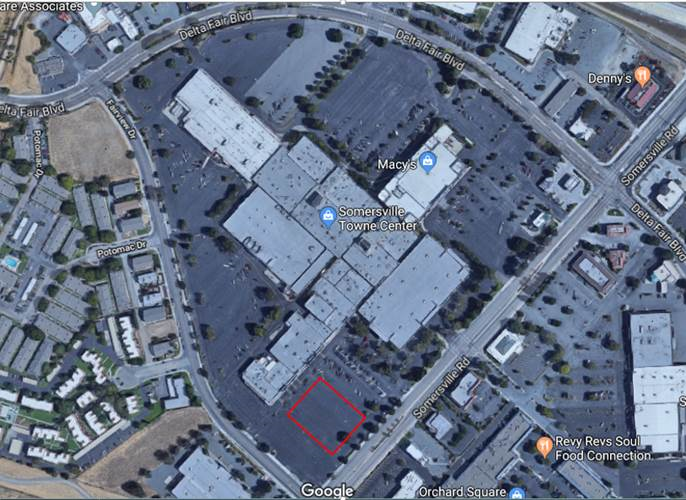
Steak ‘n Shake Antioch will be located on the southeast corner of the Somersville Towne Center, located at 2550 Somersville Road, near the corner of Fairview Drive in Antioch and is expected to open later this summer.

Owners Raj and Sonia Sohal are excited about their new restaurant, which will offer a different type of fast-food experience.

It will include full-service dining, with flatware and servers, Raj shared. We wanted to bring something different to Antioch.

New Steak ‘n Shake site at Somersville Towne Center.

Opportunities for employment are available, as well. Please contact Sonia at (925) 234-5076 or visit Steak ‘n Shake’s recruitment website. Be sure to choose California, Antioch.

Antioch Police add two K-9 officers to the force thanks to community fundraising effort

Saturday, April 14th, 2018

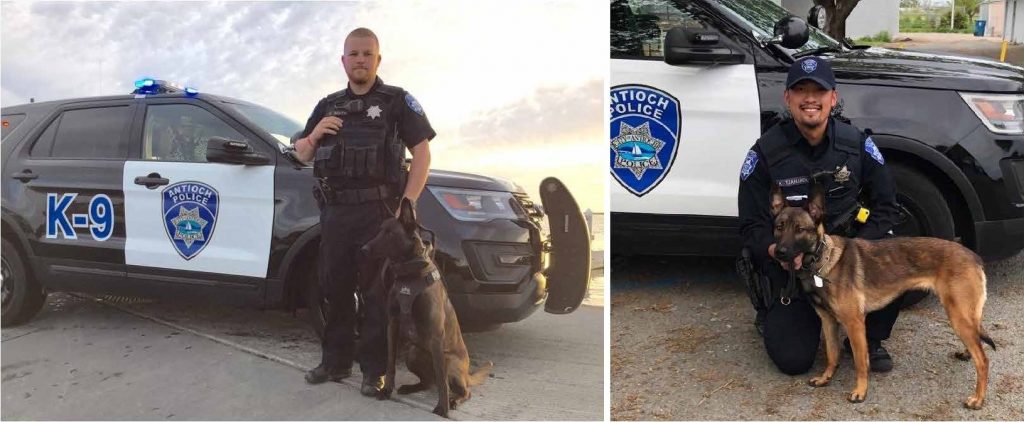
Officer Kyle Smith with K9-Kona and Officer Kevin Tjahjadi with K9-Kaia. Photos by APD.

From the Antioch Police Facebook page

We are excited to introduce you to our newest K9’s and their handlers. Please say hello to Officer Kyle Smith with K9-Kona and Officer Kevin Tjahjadi with K9-Kaia. Kona and Kaia are both Belgian Malinois. We are very thankful for our community supporters who donated to our K9 program which allowed for the purchase and training of Kaia and Kona.

The effort, started in February by Antioch Economic Development Commissioner Tim McCall, raised over $19,500 through a GoFundMe campaign. (See related article, here.)

“I want to thank everyone who contributed and made the effort a success,” said McCall. “See, together we can make a difference.”

“I get to meet the dog, next week and watch them in training,” he added.

Allen Payton contributed to this report.

County’s Racial Justice Task Force to seek input on justice system reform recommendations at May forum in Antioch

Thursday, April 12th, 2018

In 2016, the Contra Costa County Board of Supervisors established a 17-member Racial Justice Task Force to research and identify measures to reduce racial disparities in the justice system; to plan and oversee implementation of the measures; and to report on the progress made toward reducing racial disparities within the justice system.

The Task Force is comprised of the County Probation Officer; the Public Defender; a District Attorney representative; a Sheriff-Coroner representative; the Health Services Director (ret.); a Superior Court representative; a County Police Chief’s Association representative; representatives from the Mt. Diablo Unified School District, Antioch Unified School District, and West Contra Costa County School District; 5 community-based organization representatives; a mental health representative; and a member representing the public at large.

The Contra Costa County Racial Justice Task Force (RJTF) formally launched on April 5, 2017, meeting monthly since that time to identify priorities, review data, discuss best practices, and develop recommendations related to racial disparities in criminal and juvenile justice systems and processes in Contra Costa County. In addition to meeting monthly, the Task Force last fall hosted the first of two rounds of community forums to increase residents’ awareness about the Task Force and solicit feedback on focus areas. The second round of community forums is now announced.

Three community forums have been planned to share information about the project work to-date, to present the draft recommendations, and to actively solicit input and feedback on the draft recommendations. The forums will be held from 6:00 p.m. to 8:00 p.m. on the following dates and at the locations indicated:

Monday, May 7, 2018, Mt. Diablo Unitarian Universalist Church, 55 Eckley Lane, Walnut Creek;

Tuesday, May 8, 2018, Delta Bay Church of Christ, 13 Sunset Drive, Antioch;

Wednesday, May 9, 2018, Catholic Charities West County Service Center, 217 Harbour Way, Richmond.

For more information about the Racial Justice Task Force, please visit their webpage at http://www.contracosta.ca.gov/6680/Racial-Justice-Task-Force.

Council votes to approve district elections, postpones implementing until 2020

Wednesday, April 11th, 2018

But two seats up in 2018 will only be for two-year terms; citizens commission proposed

By Allen Payton

After multiple meetings on changing to district elections for the four council members, hearing hours of comments from the public, and spending more hours discussing it among themselves during the past two months, the Antioch City Council at their April 10th meeting effectively kicked the can down the road. They voted unanimously to approve by-district elections, but instead of implementing it for this November’s elections, chose to postpone it until 2020. However, they also voted to change to two-year terms those seats which are up for election this year and are currently held by Council Members Tony Tiscareno and Lori Ogorchock. That means winners in November’s council race will have to run again in 2020. (See related article)

Then, that year, all four council seats and the mayor will be up for election, and two of the council seats will also be for two-year terms with the other two for four-year terms. But those who are elected to the two-year terms may not be able to run again in 2022, because a new map will have to be drawn and adopted for the 2022 elections, following the 2020 Census and redistricting in 2021. The only thing that won’t change is the four-year term for mayor.

What the council members still have yet to decide is which of the two final maps to choose, which thy must at their meeting on May 8. At a workshop earlier in the evening, prior to the regular council meeting, the council members made some alterations to one of the two final maps and produced what is now known as Quadrants C map. No changes were made to the map labeled Working Draft 1.
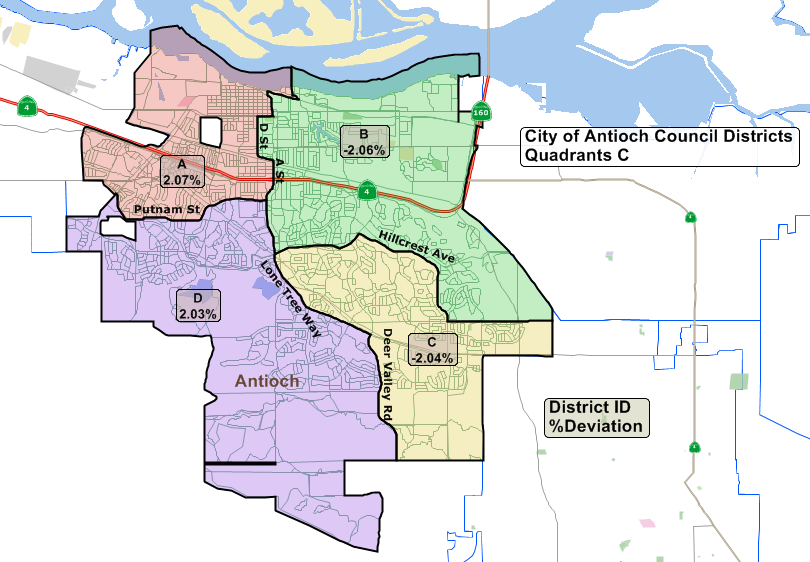
The Quadrants C map, which is one of two district elections maps the council will consider at their May 8 meeting.

Interim City Attorney Derek Cole Explained the Process

“What you have before you now, is the legal mechanism…that will create the districting system,” he said. “Ordinances must be read twice. You can waive the reading. We don’t have to read the ordinance line by line. You have to consider the ordinance twice and the council, in effect has to take two votes on the ordinance. We have scheduled May 8th for the final discussion. This is the eighth or ninth time we have called this particular item of districting.

It does require a majority vote of the council. If the council introduces this ordinance, it will codify…and say we will be become a district election city. There are two options. Option 1 would be to try and introduce the district elections this year. The two council members who were elected at large in 2016 must be allowed to continue their terms through 2020. We can run two districts, if you create the four districts with this ordinance, you can choose to run those two, this year and run the other two in 2020. That will create the stagger. The mayor will also be up for election in 2020.

The other option which I believe creates a more orderly transition is start the districts in 2020. That will allow an interface with the county elections office…so that there won’t be extra work. I shared with the council a letter from the County Clerk about the challenges with the cities converting to district elections in 2018. It would give us time for clean up elections.

Our vice mayor is elected on an at large system. If we’re going to districting elections that will have to be cleaned up.

We would have to select two seats that would be up for election in 2020 for two-year terms who would then be up for election in 2022.

If you implement it this year you will have to select which districts are up for election, this year.”

Public Comments

“We have 25 speakers and we have to allow for five minutes for each speaker,” said Mayor Sean Wright. “If you all move your five minutes, we will not be able to get to the entire agenda.”

Most speakers supported the Working Draft 1 map, which creates a single district north of Highway 4. Some were high school students, many who chose not to speak, and Wright read their comments. Several in favor of Working Draft 1 were repeats from previous council meetings on the matter, and most were members of the East County Regional Group.

Scott Rafferty, the attorney who threatened the lawsuit against the city, sparking the entire process, spoke during public comments.

“I am the out of town lawyer,” he said. “I’m here to listen. I think the process is very compressed. I have given two extensions to the city. I’m not going to apologize for the California Voting Rights Act. For a city this size I think it’s a very good idea. I think the polarization is actually stronger here. When you get into southeast Antioch…you have extraordinary council members who are minority members and live in racially integrated communities. That doesn’t mean that north of the 4 there’s an underrepresented population. The city will be stronger…when those people have someone who is closer to them and more representative of their views on the council. The most remarkable thing is the trust that the five of you command from the people back here. It makes me want to ask the three of you that have some reservations about this to consider that you have been elected and you think of the whole city. But, that’s because the voters of Antioch…that is a very important value. I don’t think that’s going to change. I really don’t. Another really neat thing about this process, I’m going to have to say some really nice things about your council. I was concerned about getting this done, now. Having all of this happen in 2020 and I think this is a great idea. It’s a structural change. It’s not about getting rid of incumbents. It allows the whole community to get used to this all at once. I was hoping the school district would do this, too. I would ask you not use a random process. If you can get them synced into the presidential process, that will be helpful.”

Former Councilman Ralph Hernandez pointed out that “You already have division that has begun. It’s already starting. It’s not going to get any better with district elections if you change to that.”
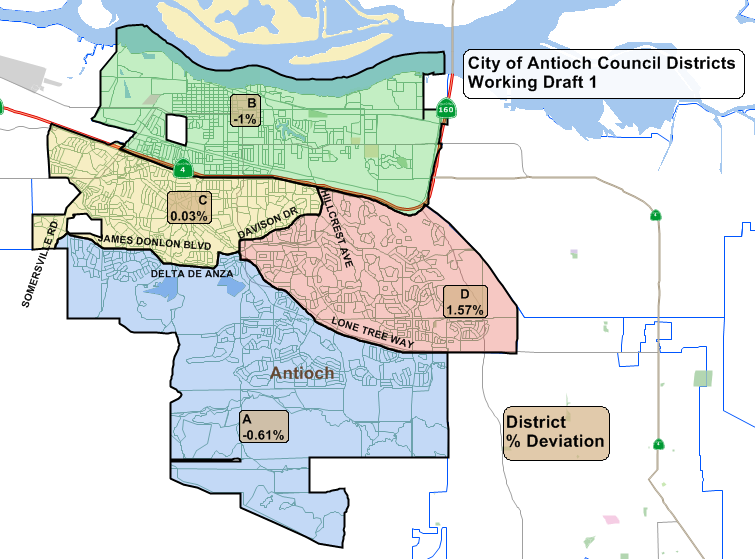
The other district elections map labeled Working Draft 1.

Council Discussion

The Council then took up the matter for discussion, first deciding to convert to district elections and when to implement them.

Mayor Wright said the council was deciding whether or not to move forward with districting and

“Seeing that no one wants to go first, I will go first,” he said. “I hope you understand how hard this is, there is not a soul up here…that is not thinking of Antioch, first. There may be disagreements on what is best for Antioch. But it’s not a lack of care for you, for your area. I hope as we go forward you understand that.”

“I have looked, since we started, for reasons and ways we could fight this, because I don’t think it’s best for Antioch,” Wright continued. “But if we fight it we will lose and that’s not best for Antioch. The way the law is written, you don’t have to prove harm. You have to prove racial polarization…it’s real easy to prove. None of that in this law matters. Then we’re confused, once you accept that you’re racially polarized, as you divide the lines you’re not allowed to look at diversity. It defies all logic. We have legislators in California that made stupid law. In adopting this ordinance I am going to support it because I don’t want the city to get sued. I support implementing this in 2020.”

Councilman Tony Tiscareno spoke next saying, “I’m not totally opposed to districting. I’m angry about the way it came about. We’re basing our information, data on 2010 Census. It kind of skews the numbers on the map. It doesn’t give a true representation of what Antioch is. I wouldn’t even have a problem with waiting for 2020 Census numbers. It’s very frustrating that we’re being rushed into something…we’re not prepared for this. At this particular point I just don’t see it. As an at large council I do believe we represent the city entirely. As far as the Rivertown, downtown we have been focusing a lot of attention and dollars. Doing a district that might change somewhat. I wouldn’t have a problem fighting this. I’m not afraid of a lawsuit. But, it could cost us a lot of money and I don’t want to take that risk. I want to take some time. I was one who proposed getting it done, now. But that was just out of frustration. I think we should study this a little bit longer. If we’re going to be forced…I truly thing we could prevail if we had to go through this. I’m not sure the rest of the council would want to take a chance. So, I want to wait until 2020.”

Mayor Pro Tem Lamar Thorpe then said, “I’m for whatever option…2018 staggered or 2020. Whatever’s the pleasure of us, here. I’m open and amenable. I don’t have a particular preference.

Councilwoman Monica Wilson said, “I feel like the rest of the council members that I don’t like being rushed. What section goes in what order I can’t make a decision about that now. Whether we go with 2018 or 2020. I want to do this right. I was hoping to hear more from the public on that. This is tough. This is tough for us. This is a hard one. We want to make sure we get this right. We all are trying to be thoughtful.”

Councilwoman Lori Ogorchock whose seat is up for election in November said, “The attorney Rafferty said it himself how the council is working together. This is unbelievably rushed. I want to do it in 2020. But, to move it off to 2022 when we have our true numbers. The maps are the maps, and we’ll decide those on May 8th. But I’m probably going to vote against this. I agree we do. But it’s really hard when you don’t have true numbers to do this. I’m sorry. I understand about the lawsuit. This is starting to push my buttons tonight. It’s already dividing our city. It’s not healthy.”

Wright weighed in, saying, “In closing, I honestly did not know where Mayor Harper lived. Where Mayor James Davis lived. Where Mayor Don Freitas lived. Until I ran for council I did not know where these council members lived. Where you live in elections, I didn’t know it mattered. I thought we were voting for great leaders. It’s interesting to me that we’re focusing on where everybody lives.”

Thorpe then said, “No one looks at where people live. But it’s something to be said that the most people you interact with in your daily life…there’s something to be said about where you live. You’re most likely to run into folks where you live.”

Thorpe asked the other council members if they were for 2020.

Tiscareno said, “I like what Councilwoman Ogorchock said” regarding waiting until 2022.

Thorpe then added to the discussion saying, “I had reached out to the city attorney about moving this forward. I do agree that there should be an independent commission looking at this and working with the consultants. We can adopt an ordinance. But then we can put these two maps on the November ballot and that can then be ratified at the end of the day.”

Cole responded saying, “I would modify that. The council would have to approve a map. They can then give to the public the selected map, and then offer an alternative map. I would ask that you would complete this process, first. Then you can call an election.”

City Clerk Arne Simonsen agreed saying, “The map does have to be adopted at the same time as the ordinance. It can be part of the ordinance.”

Wright, struggling with what to say, stated, “I could go 2020, but I could also go 2022. If we’re going through all that effort into a map that’s only going to be good for one year…I could be talked into going for 2022.”

Cole then warned, “I don’t think we would be exempt from someone seeking relief for the 2020 election. If you want to kick this to 2022…after 2020 you will have a census, and that map would never be used in an election. You’re creating a remedy, but you’re forestalling that remedy and you’re not avoiding a lawsuit.”

Thorpe said, “I’m not open to the 2022 election. It’s silly to adopt a map and then hold off. I’m perfectly fine if we went with 2018. If you push it back to 2020, what’s the point?”

Cole interjected, “If you wait until the 2020 election you could go to a citizen commission. You would have an election in 2020 under the map that you adopt on the 8th. My goal is to complete the process now, so you no longer have the CVRA (California Voting Rights Act) liability.”

Tiscareno then said, “I’m adamantly opposed to even doing this. But I don’t want to be involved in a costly litigation. I’ll go ahead and support option two with the 2020 and if it’s a possibility of putting this before a commission and the voters.”

Thorpe responded, “When I was saying 2018, I was referring to sending the two maps to the voters.” He then asked, “Do we have to adopt a map? Can we do the example of a sliced bread map so that voters have a choice between two maps that are not biased by us?”

Cole responded, “Typically you have to do a yes, no on an initiative. The council would adopt a map. My request is we do introduce the ordinance and we do adopt a map.”

Thorpe then said, “I’m not an elections expert. Personally, I’m fine with sending it to the voters.”

Wright then asked, “How much money are we talking about for asking the voters?”

Simonsen responded, “Adding a ballot measure…the cost you’re probably adding another 10 to 25%. The base for the election is $155,000 on the low side, right now.”

Wright then stated, “To me we’re talking about a lot of cost. If we were talking about ten years, that would be one thing.”

Simonsen offered to “come back at the 24th meeting with more information. But, as the city attorney said you will have to adopt a map. It doesn’t preclude you from going to the voters.”

Wright then said, “What we need to decide tonight is if we go forward with a map and what year.”

Thorpe stated, “We’re just throwing out ideas. Does it cost money? Absolutely. That’s the price of the democratic process. It costs money. If there were another initiative the council were going to put on the ballot…would it increase the cost?”

Simonsen said for the November election it will cost less. He estimated it will cost 20% more, giving an example of a previous election of “$4.00 per voter and we have 56,000 voters in Antioch.”

Wright said “it might be a reduced cost. This discussion is not agendized and it needs to be agendized. What we need done tonight is the adoption of an ordinance and the timeframe.”

Motion to Adopt Includes Two Year Terms for This Year’s Council Elections

With that Thorpe made a motion to adopt the ordinance changing to by-district elections and waiting until 2020 to implement it. But he also chose Option 2 which requires that the two seats up for election in November, Tiscareno’s and Ogorchock’s seats, will be for only two-year terms.

After a brief delay, Tiscareno seconded the motion.

Ogorchock then said, “In D on option two it talks about districts two and three. We must remove the district numbers. We don’t know what district it’s going to be.”

Cole responded, “the problem is we can’t amend this ordinance.”

Wright then explained “we can number the districts however we want. We haven’t numbered the districts, yet.”

Simonsen added, “that’s correct.”

Wright continued, “that can be decided when we accept the districts and number them, then.”

Tiscareno then said, “The way I’m reading it you’re giving a suggestion.”

Cole responded, “tonight you’re introducing the text that you’re codifying into law. And it has to have the same exact text that you’re going to introduce.”

Thorpe offered a further explanation to Ogorchock, saying, “We’re not married to the maps. We can decide which district will be associated with which number.”

Ogorchock then replied, “We’re going to number the maps the way we want to.”

Mayor Wright then called for the vote.

Four council members cast their votes. Someone said, “Lori, vote.”

“I’m thinking,” she replied to laughter from the audience, then went ahead and voted in favor.

The motion passed on a 5-0 vote.

Supervisors approve major Buchanan Airport mixed-use project, more airport projects planned

Wednesday, April 11th, 2018

Sheriff-Coroner awarded $400,000 in grants
By Daniel Borsuk

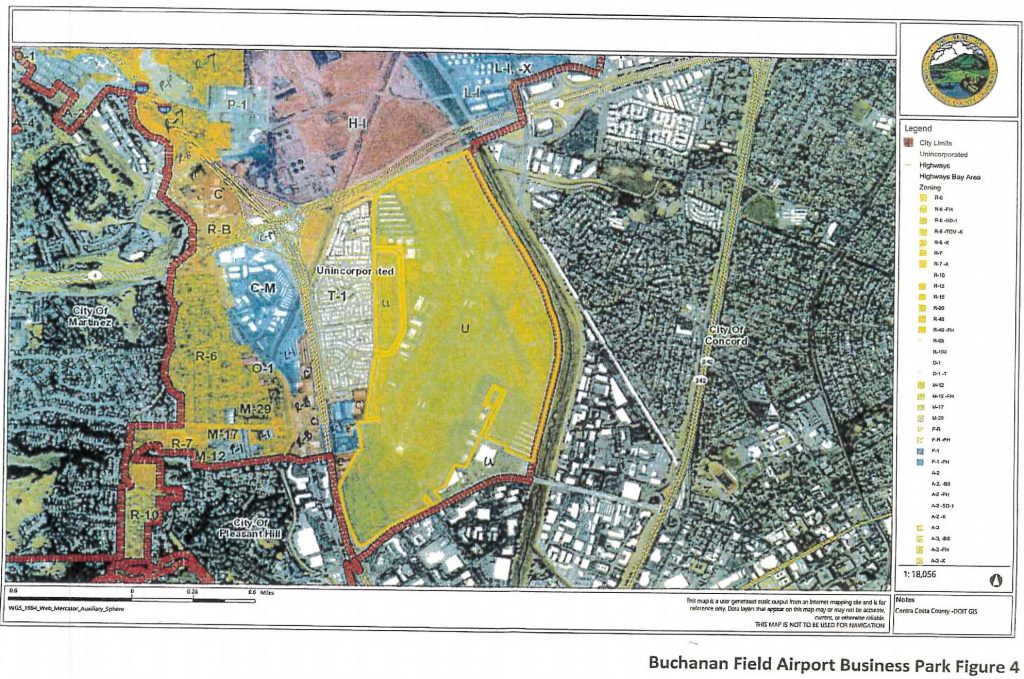
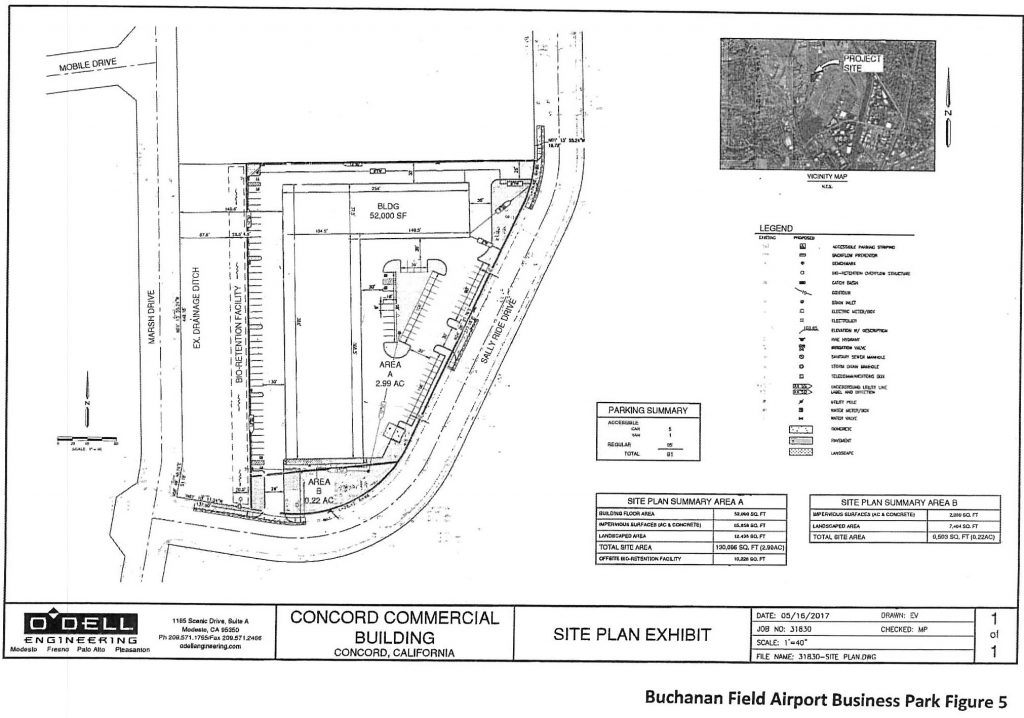
Contra Costa Supervisors flashed the green light on Tuesday for county airport officials to ink a long-term lease with a Southern California developer to build a 52,000 square foot, single story mixed-use building at 550 Sally Ride Drive near Buchanan Field Airport in Concord.

The supervisors’ 4-0 action serves as a signal that more commercial and aviation related developments are in the pipeline on county owned property adjacent to the county’s two airports – Buchanan Field Airport and Byron Airport.

District 3 Supervisor Diane Burgis was not in attendance because she was at a business meeting representing the supervisors.

The supervisors’ action on the consent agenda item means that Airports Director Keith Freitas can proceed to execute a long-term lease with Montecito Commercial Group, LLC for the lease of about 3.21 acres of unimproved county-owned property at the south end of Sally Ride Drive.

As part of the supervisors’ action, the developer will receive a mitigated negative declaration attached to the project’s environmental impact report.  During the EIR procedure, the Contra Costa Water District submitted a letter about the developer’s water usage and an easement issue.  Both issues were resolved according to the CCWD.

The county can expect to cash in on the proposed single-story office-warehouse-distribution building.  During the two-year construction period, the county will be paid $1,000 per month, but once construction is completed monthly rent will increase to $4,247 and will be adjusted every year on April 1 based on the Consumer Price Index.

The Montecito lease calls the one-year period beginning April 1, 2022, 2023, 2024, 2025, 2026 any adjustment will not be greater than 75 percent of the CPI factor.  For the one period beginning on April 1, 2028, throughout the lease term, any adjustment to ground rent based on CPI may not be more than 4 percent of ground rent then in effect.



The Montecito development serves as an indication more projects near the county’s two airports are on their way for future supervisors’ review and action, Assistant Airports Director Beth Lee said.  Supervisors are expected to soon consider two large developments proposed for the Byron Airport.  One is a proposed building for aviation use and the other building is for non-aviation use, Lee said.

Lee noted the developer has yet to complete design and other procedural work before the Montecito project can get underway.

Before the Montecito -Buchanan Field development, the last development constructed on county airport property occurred in 2012 at the Byron Airport when the Patriot Jet Team building was constructed, said Lee.

When asked if real estate developers are finally recognizing how county airport projects can generate ideal real estate deals, Lee responded: “We sure hope so. This could mean a major new source of revenue for the county.”

Two State Grants Approved for Sheriff-Coroner

Supervisors approved two major state grants for the Sheriff-Coroner’s Office.

A $300,000 grant from the California Division of Boating and Waterways was awarded to the Sheriff-Coroner for the removal of abandoned vessels and the vessel turn-in program on county waterways.  The grant goes into effect beginning Oct. 1, 2018 and remains in effect when grant funding runs out.  Ninety percent of the funding comes from the state and 10 percent is an in-kind match.

Supervisors also approved a $97,100 grant for the Sheriff-Coroner from the Office of the Attorney General, California Department of Justice, Division of Law Enforcement Tobacco Law Enforcement Grant Program.  The grant will be used from June 1, 2018 through June 30, 2020 to decrease juvenile access and use of tobacco products.

Both grants were approved as consent items.