







Author Archive

Sheriff boycotts county Public Protection Committee meeting on threats of $25 million loss in federal DOJ funds

Friday, December 8th, 2017
Due to state sanctuary policies; county policy to go into effect next year; response due today

By Daniel Borsuk

With neither Sheriff-Coroner David Livingston nor one of his representatives in attendance at a meeting of the Contra Costa County Board of Supervisors’ Public Protection Committee on Thursday, there was more concern as to why the sheriff wasn’t in attendance than the topic at hand:  the possibility the county could lose up to $24.7 million in federal assistance.

Representatives from the District Attorney’s Office, Public Defender’s Office, Probation, Employment and Human Services, and County Administrator were present at the committee meeting conducted by Supervisor John Gioia of Richmond and attended by Supervisor Federal Glover of Pittsburg.

Without Livingston or his representative at the committee table, supervisors and citizens serving on the committee could not get a proper read on the status of the sheriff’s policy on the arrest and detention of undocumented immigrants primarily at West County Jail, and how well deputies interface with Immigration and Customs Enforcement agents and United States Marshals.

Some $19.8 million of the $24.7 million in federal aid that the county receives from the federal government is allocated to the Sheriff-Coroner Office.  Employment and Human Services receives $1.9 million in federal aid, Probation pulls in $1.1 million, the County Administrator draws $983,971, the District Attorney gets $563,848, and the Public Defender collects $180,412.

“I am surprised and disappointed that the sheriff is not here,” said Supervisor Gioia.  “I don’t know if this has ever happened before where the sheriff has not appeared at a Public Protection Committee meeting.”

“I’m shocked and dismayed that no one from the Sheriff’s Office is here,” said Renee Zeimer representing Organizing for Contra Costa Action.  “How is the sheriff held accountable to the public?”

About four other also persons complained that the sheriff or a representative should have been in attendance at the committee meeting.

The fate of federal money that California cities and 58 counties receive will probably be decided in United States District Court on Wednesday, Dec. 13, when U.S. District Judge William Orrick is expected to rule on whether California Senate Bill 54 or “the Sanctuary State Bill” that was recently signed by Gov. Jerry Brown and goes into effect Jan. 1 conflicts with Executive Order 1373 that President Donald J. Trump inked on Jan. 25, 2017.

Executive Order 1373 assigns broad powers to the U.S. Department of Justice, Immigration and Customs Enforcement (ICE) and U.S. Marshalls to investigate, arrest, and deport undocumented immigrants in order to secure the safety of the interior of the nation.  The executive order also gives the DOJ investigative power to determine if states, cities, and counties are in compliance with Executive Order 1373.

In Sanctuary States like California, Contra Costa County and other counties are aligning policies to conform with SB 54 unaware how Judge Orrick will rule.

When asked if the county has a Plan B should the U.S. District Court strikes down SB 54 and uphold Executive Order 1373, Supervisor Gioia remarked, “That’ll be an issue for the state and every city and county effected by SB54.”

Sheriff Receives DOJ Letter

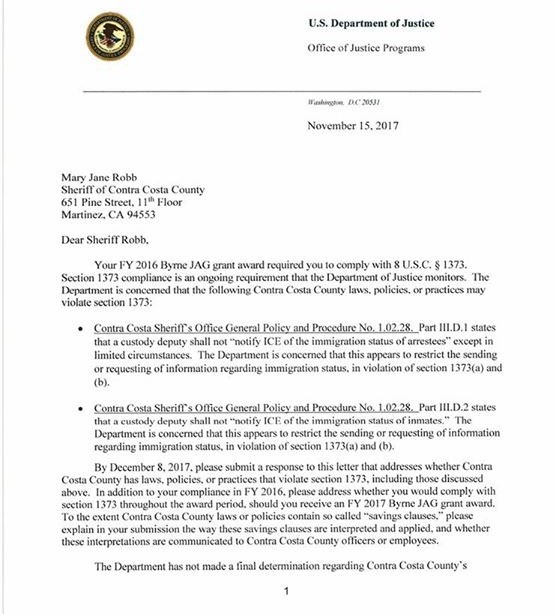
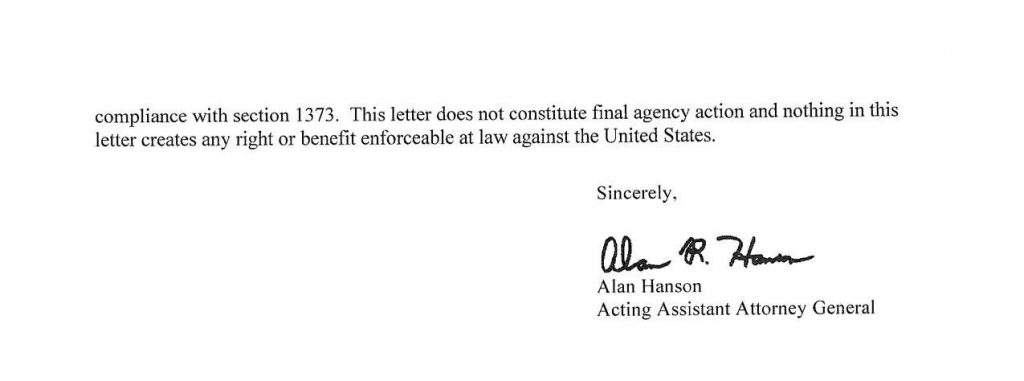
The Sheriff-Coroner Office received on November 15 a letter from U.S. Department of Justice Acting Assistant Attorney General Alan Hansen inquiring whether the sheriff office is in conflict with Executive Order 1373 if a custody deputy does not inform ICE of the immigration status of inmates. “The department is concerned that this appears to restrict the sending or requesting of information regarding immigration status in violation of section 1373 (a) and (b),” wrote Hansen.

The letter was directed to Mary Jay Robb, the Chief for Management Services in the Sheriff’s Office.

Livingston would not respond to calls from the Herald with questions about the letter. The Sheriff’s Public Information Officer Jimmy Lee instead referred calls to County Administrator David Twa.

One program that wasn’t included in the DOJ inquiry is the Stand Together CoCo program, which the Board of Supervisors approved in September with $500,000 in state AB 109 funds to help launch the program.  The Public Defender’s Office is overseeing the program.

Twa confirmed that the DOJ letter is about the state’s sanctuary policies, not the county’s new policy that will not go into effect until next year.

County Has Until Today to Respond to DOJ

The county needs to respond to the DOJ inquiry by today, Friday, Dec. 8.

The Stand Together program will monitor ICE arrests of undocumented immigrants in the county.  The program that is also funded through private sources will have counselors visiting undocumented immigrants held at West County Jail.  The Stand Together CoCo program expects to counsel up to 180 undocumented immigrants held at the jail during the first six months of the program.  The program gets underway January 1, 2018.
County Sheriff’s Crime Lab receives grant for equipment to help with DUID cases

Friday, December 8th, 2017

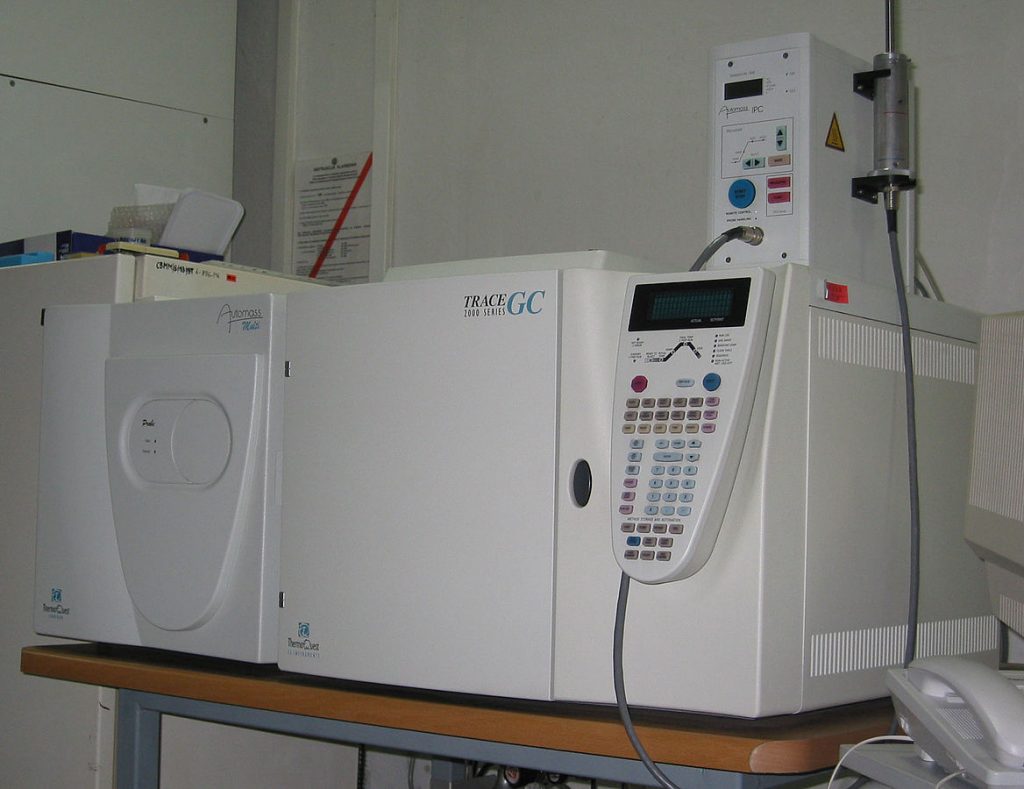
Example of a Gas Chromatography Mass Spectrometry instrument. Photo by Polimerek – Own work, GFDL, https://commons.wikimedia.org/w/index.php?curid=425348

By Jimmy Lee, Director of Public Affairs, Contra Costa County Sheriff’s Office

The Contra Costa County Office of the Sheriff Forensic Services Division Crime Laboratory has received a state grant for “Improved Technology for Identification of Impairing Substances in DUID Cases”.

This $207,100 grant will fund the purchase of two new Gas Chromatography Mass Spectrometry (GCMS) instruments. These instruments will have the ability to routinely identify and quantitate compounds that are commonly encountered in driving under the influence of drugs (DUID) and drug facilitated sexual assault (DFSA) cases.

The two new GCMS instruments offer increased sensitivity and will be replacing older instrumentation within the Crime Lab. The new instruments will enable the Forensic Services Division to provide analysis in alignment with recommendations set by national organizations for DUID cases.

“The new GCMS instruments will allow the Sheriff’s Office Crime Lab to provide more comprehensive and timely results for the investigation and prosecution of DUID cases in Contra Costa County,” said Forensic Services Chief Pam Hofsass.

On January 1, 2014, changes to driving under the influence laws (Sections 23152 and 23153 of the Vehicle Code) went into effect making it unlawful for a person who is under the influence of any drug to drive a motor vehicle; this not only includes illegal narcotics and stimulants, but also some legal prescriptions, herbs, marijuana and over-the-counter drugs.

The purchase of these instruments and method validation is anticipated to take approximately one year. Funding for this program was provided by a grant from the California Office of Traffic Safety, through the National Highway Traffic Safety Administration.

Get your tickets for The Nutcracker at El Campanil Theatre in December

Friday, December 8th, 2017

The Ballet Company of East County presents The Nutcracker

Friday December 15     7:00 pm

Saturday December 16   3:00 pm & 7:00 pm

Sunday December 17   12:00 pm  & 4:00 pm

Reserved Seating.  Performance Length: 1 hour 15 minutes

Tickets: Orchestra (Ground Level): $20, Loge (1st Level Upstairs): $18, Opera (2nd Level Upstairs): $16  https://app.arts-people.com/index.php?show=79145

Scouts can receive a scout patch.  Remember to order it while checking out.

Come Celebrate With Us! The Ballet Company of East County is celebrating its 13th anniversary presentation of The Nutcracker. This timeless holiday classic is sure to delight your entire family

Special meet and greet opportunities! (Before the Saturday 7:00 pm & Sunday 4:00 pm shows).

About Convenience Fees: You can buy tickets for no additional fees at the box office. The Box Office is open Monday – Friday from 10 am – 2 pm and one hour before each performance.

If you choose to order by phone, the convenience fee is $2 for the entire order. If you choose to order online 24 hours a day / 7 days a week, the convenience fee is $1.50 per ticket.

About Ticket Delivery Fees: There is No Ticket Delivery Fee if you choose to receive your tickets by email or will-call. There is a $2 Ticket Delivery Fee if you choose to have your ticket order sent by US Mail.

El Campanil Theatre is located at 602 W. 2nd Street in Antioch’s historic, downtown Rivertown. For tickets shop online, call 925-757-9500 or stop by the box office next door to the theater.

Olympic Gold Medalist Eddie Hart to sign his book about tragedy and triumph at the ’72 games in Antioch, Dec. 18

Thursday, December 7th, 2017

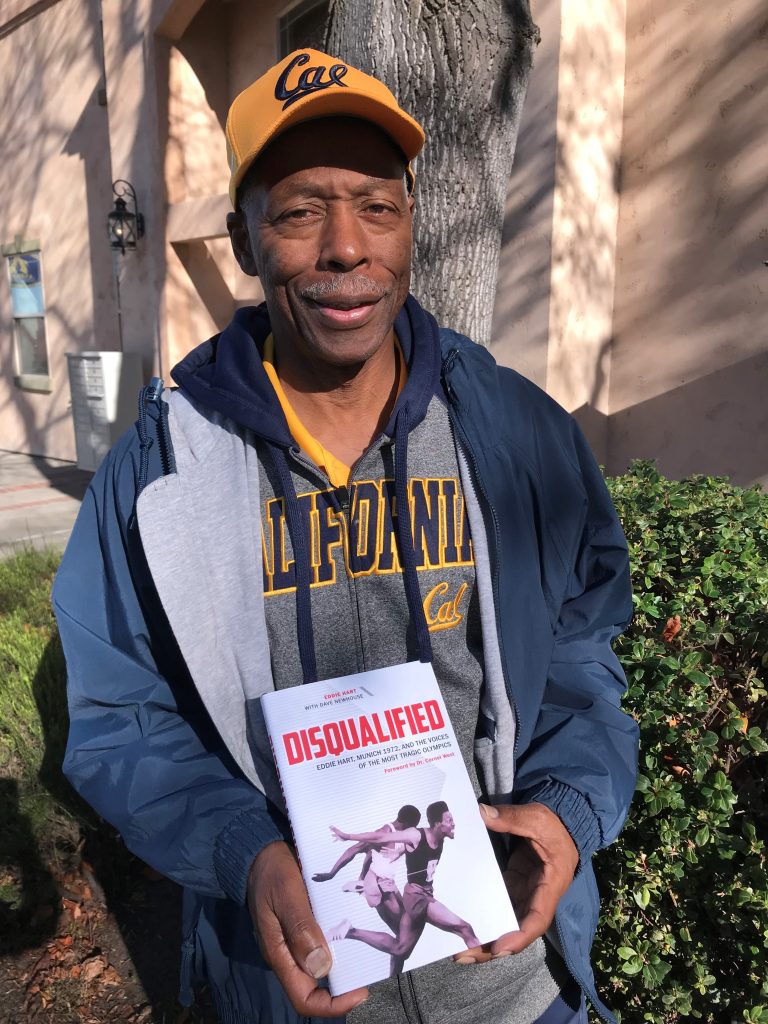
Eddie Hart with his new book entitled “Disqualified”.

Meet the two-time World Record-holder at Barnes & Noble

By Allen Payton

Having previously equaled the World Record, Martinez-born and Pittsburg-raised Eddie Hart was a strong favorite to win the 100-Meter Dash at the 1972 Olympics in Munich, Germany. The inexplicable happened, he was disqualified for arriving seconds after his quarterfinal heat. Ten years of training to become the “World’s Fastest Human.” The title attached to the Olympic 100-meter champion was lost in a heartbeat. How could this have possibly happened on athletics’ biggest stage, the Olympic Games?

Hart provides his story in a new book he’s written with the help of friend and former Oakland Tribune sports reporter, Dave Newhouse, entitled “Disqualified – Eddie Hart, Munich 1972, and the Voices of The Most Tragic Olympics.”

A Champion Since High School

Hart moved to Pittsburg when he was eight years old, and attended Village Elementary and Central Junior High. He graduated from Pittsburg High in 1967 where he lettered every year as a member of the track team, in the 100, 200 and long jump. He won “the conference in four events, including the 4×100 relay in 1966, then he repeated in the 100 and 200 in 1967,” Hart shared.

He then went on to attend Contra Costa College in San Pablo.

“That’s where I really blossomed,” Hart said.

It’s where he won the 100 and 200 at the junior college state meet in 1969.

Hart then transferred to U.C. Berkeley where he majored in Physical Education, because he wanted to be a track coach. In his first year, he won the 100-meter race at the PAC-8 championships and placed second in the 200.

Then at the NCAA national championships that year, Hart won the 100 and running anchor, helped his team win the 4×100 relay, as well.

One of his teammates, Isaac Curtis, who went on to play wide receiver for the Cincinnati Bengals, came in second in that same 100-meter race, making it the only time in NCAA history that teammates from the same school placed first and second in the championship race.

“At the end of that year I made the U.S. national team and toured Europe for six weeks competing in various meets,” Hart shared. “We competed in France, in Russia and Oslo, and Sweden, also.”

Champion in the 5,000-meter Steve Prefontaine was on that same team.

“I knew Pre, well,” Hart said.

First Major Challenge

Then in 1971 he placed second in the 100 and third in the 200 at the NCAA Championships due to an injury earlier in the year, having missed half the season and not even competing in the conference championships.

First Comeback

Hart withdrew from school to train for the Olympics and became an assistant to the head track coach in 1972, at the same time. He entered open competition that year and during the meets Hart made the qualifying times in the 100. In fact, he missed the World Record by just 1/10th of a second running 10 flat at the West Coast Relays in Fresno.

Second Major Challenge

Three weeks before the Olympic trials Hart injured his right hamstring while running in the 200 at the U.S. Championships in Seattle. He couldn’t do any starts between that injury and his first race at the Olympic trials in Eugene, Oregon.

“It was terrifying,” he said. “It was tough.”

Then at the trials, “It was a nightmare,” Hart said. “Each race, everyone was ahead of me.  I just kept pulling up.”

Asked if he was hesitant, he replied, “Oh, very much so. I was afraid I was going to reinjure myself.”

“You have to run four races,” Hart explained.  “A heat, a quarterfinal, a semi-final and then the final.”

Second Comeback

In the semifinal I was fourth and they only took four to the final. “I barely made it,” he stated.

“It was a wind-aided race and the first five guys ran a 9.9 in the 100 meters and the fifth-place guy didn’t even qualify,” Hart continued. “I was the fourth guy and I was scared to death, because from the finals they only took the top three.”

In the blocks at the starting line, he was still thinking about his leg, which was bothering him.

“This was all the marbles right here, there was nothing to save,” he shared.

“The gun went off and I was in a dream,” Hart explained. “I ran the best race of my life.”

Before or after, “Ever,” he said. “That was it.”

“I was an Olympian, an Olympic trials champion and the World Record holder at 9.9,” Hart stated proudly.

“It was legal, not wind-aided,” he added.

Hart had equaled the World Record in the 100-meter dash, which had been achieved by only two others before. It wasn’t broken until 1991 when Carl Lewis ran it in 9.86.

He also qualified for the Olympics as the anchor for the U.S. Men’s 4×100 relay team, which was made up of the four finalists in the 100-meter race.

From Triumph to Tragedy

About a month later he was with the U.S. Olympic Team in Boden, Maine for a few weeks to train in similar weather as Munich, Germany. They then competed in Oslo, Norway, France and Italy before arriving in the Olympic Village just a few days before the Opening Ceremony.

A few days later he ran and won his heat.

“It was easier to make it to the finals at the Olympic games than it was to make the finals at the Olympic trials,” Hart shared. “Of the top 10 to 15 sprinters in the world, the top 10 were in the  U.S. at that time.”

After all three U.S. sprinters had won their heats, the coach said “let’s go back to the Olympic Village and rest” Hart explained, “because there was so much time between races. But, that was his schedule.”

The Village was only about a mile or less away from the Olympic Stadium. But, the coach had the incorrect time for the start of the quarterfinals.

They rushed back to the stadium, but it was too late for Hart.  He had missed his race and was disqualified. Thus, the title of his book.

Tragedy Ends in Triumph

Hart’s Olympic story didn’t end there. The following week after the tragic murder of the 11 Israeli team members had halted the games for a day for the memorial, Hart once again ran anchor for the U.S. 4×100 relay team. They won that race in World Record time and he became an Olympic Gold Medalist and a World Record holder, once again. See video of Hart’s leg of the race here.

Returning to Pittsburg he was met with celebrations by the Mayor of Pittsburg and the city.

Hart returned to college to complete his degree, and became a paid assistant track coach at Cal Berkeley. He has since started his philanthropic efforts through his Eddie Hart All In One Foundation which holds an Olympian Track Education Clinic at Pittsburg High, each year.

Faith has been a big part of his life, all of his life. Hart has been a member of Stewart Memorial Methodist Church in Pittsburg since elementary school. He’s taught Sunday School for 35 years and for the past 20 years he’s taught the men’s class.

Asked if faith played a part in his Olympic journey, Hart responded, “In every aspect. I grew up in the church, it couldn’t have been any other way.”

“I never prayed to God for success in track,” he shared. “I asked God to give me strength in life to face the challenges as they come.”

“My prayer is that His will be done. God is interested in spiritual things, in our soul not our flesh,” Hart continued. “Ultimately at the end of the day whatever physical things we’ve accomplished here will be left here. It’s about our souls which are eternal. Our flesh is going to burn up. The Bible is clear.”

Asked if his story will become a movie, Hart said, “We’re working on it.”

But, he has to think about who will play the part of him, he shared with a laugh.

His book includes a foreword by Harvard professor Dr. Cornel West who has been a friend since high school, and whose brother Cliff was Hart’s roommate at Cal.

See Eddie Hart and get your copy of his book signed on Monday, Dec. 18 at 7:00 p.m. at Barnes & Noble book store in Antioch at 5709 Lone Tree Way.

See a live manger scene at Antioch Wesleyan Church’s annual Walk Thru Bethlehem Dec. 16-18

Thursday, December 7th, 2017

Vote for your favorite in the Rivertown Holiday Store and Window Décor contest

Wednesday, December 6th, 2017

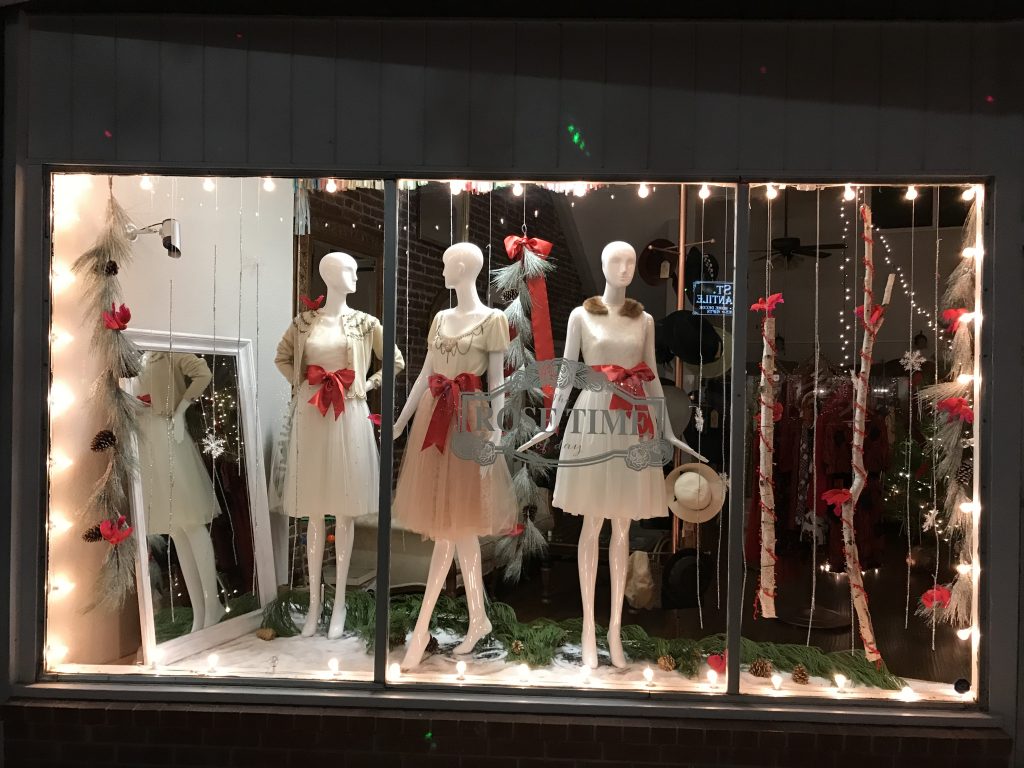
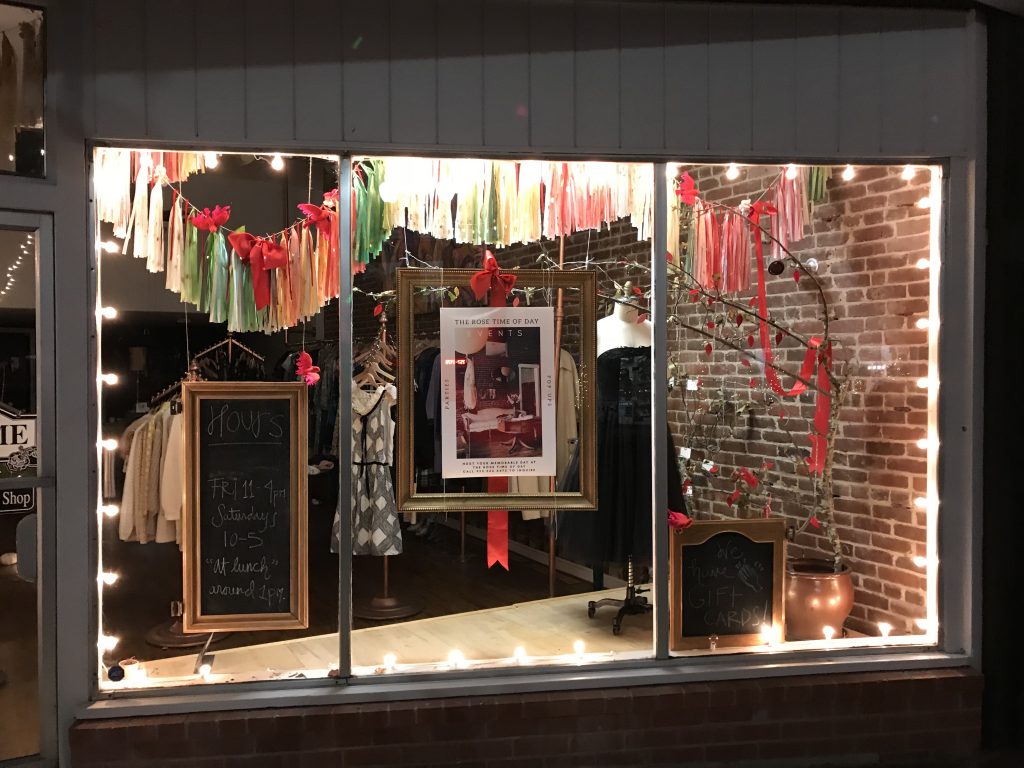
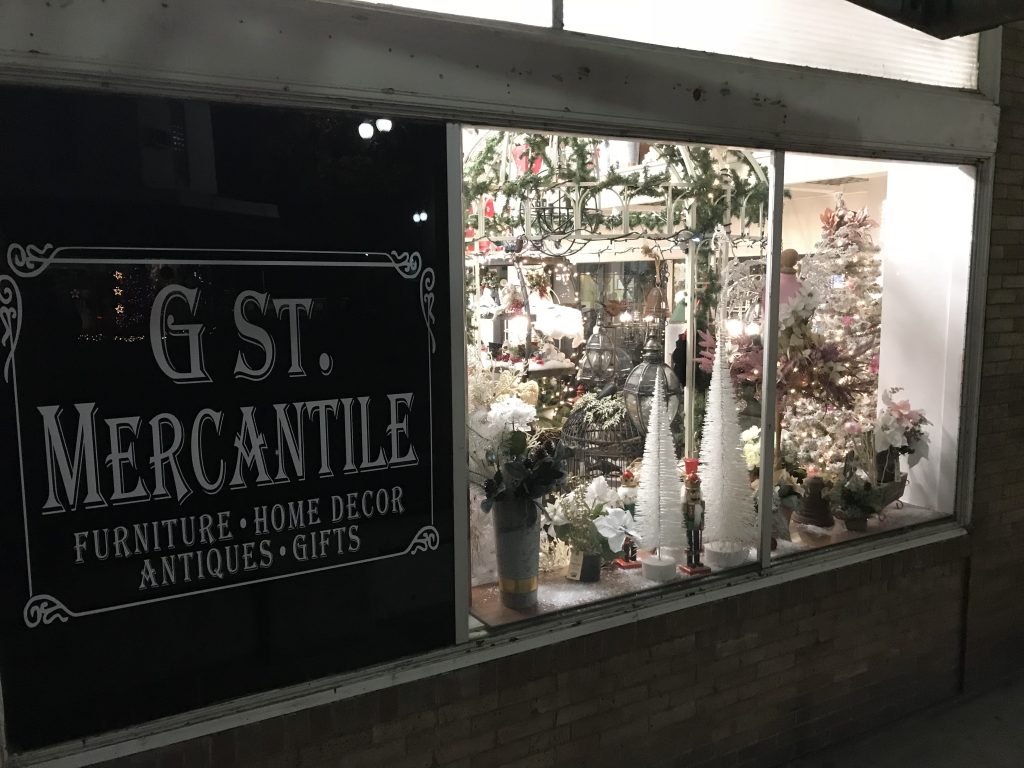
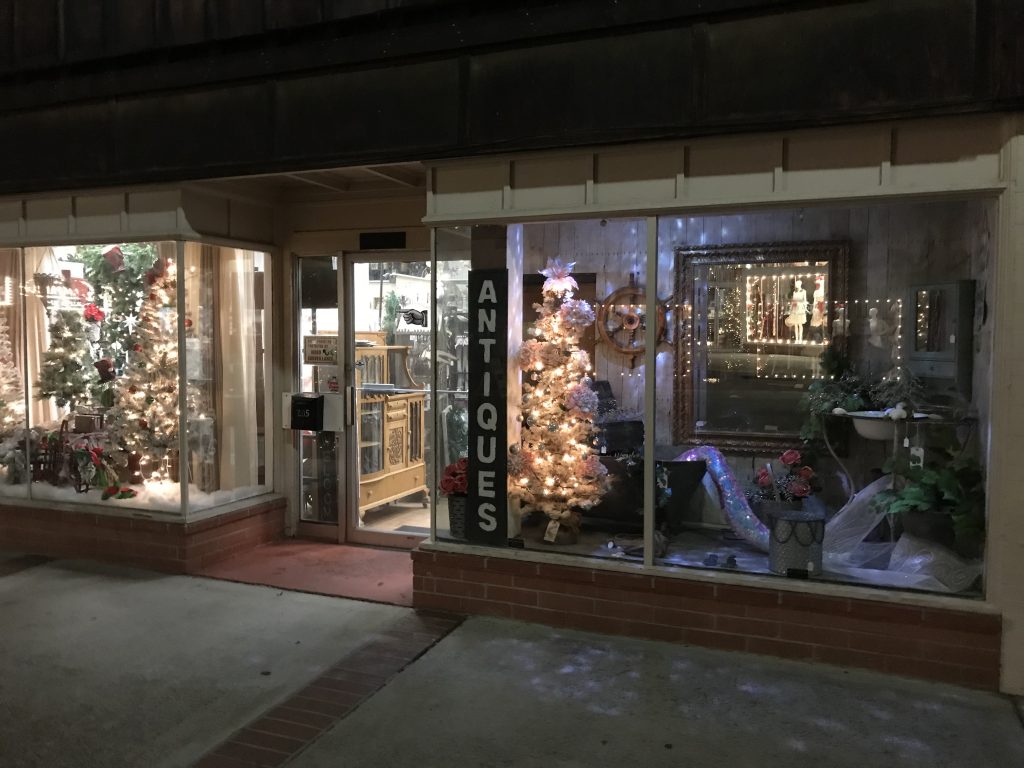
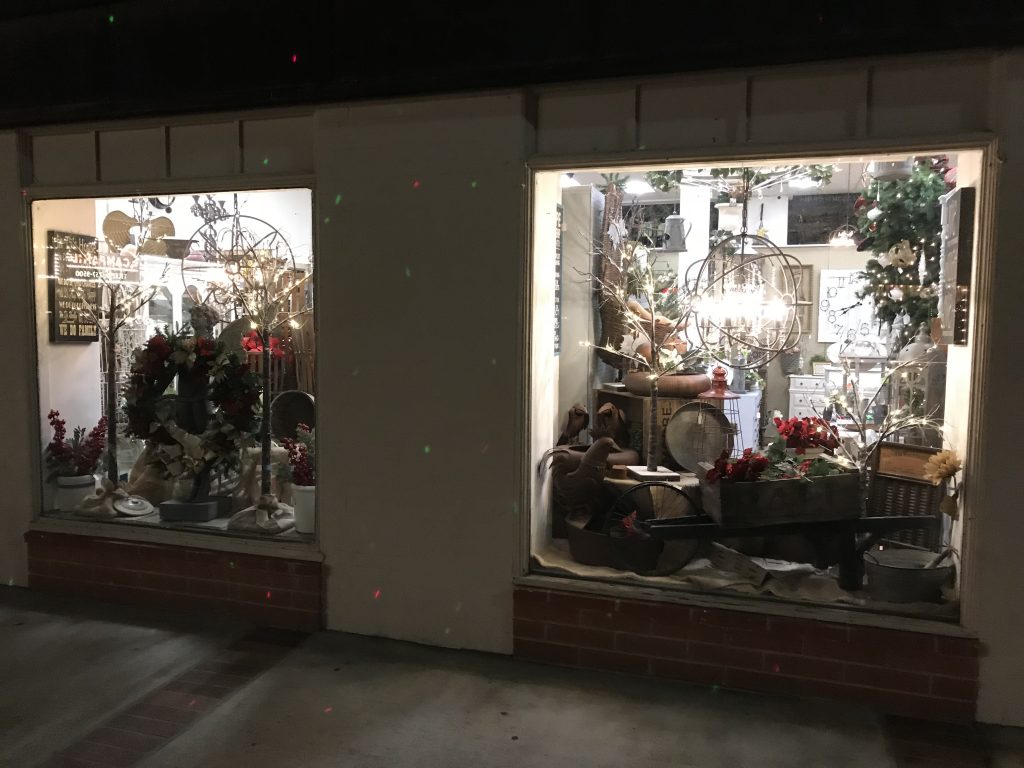
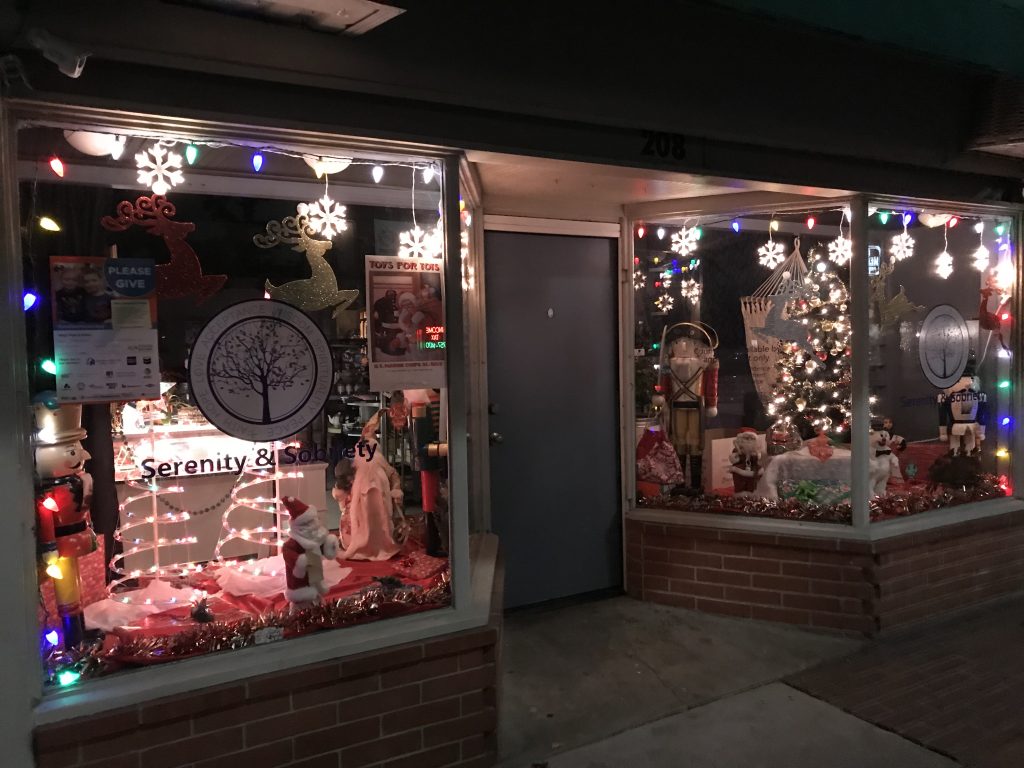
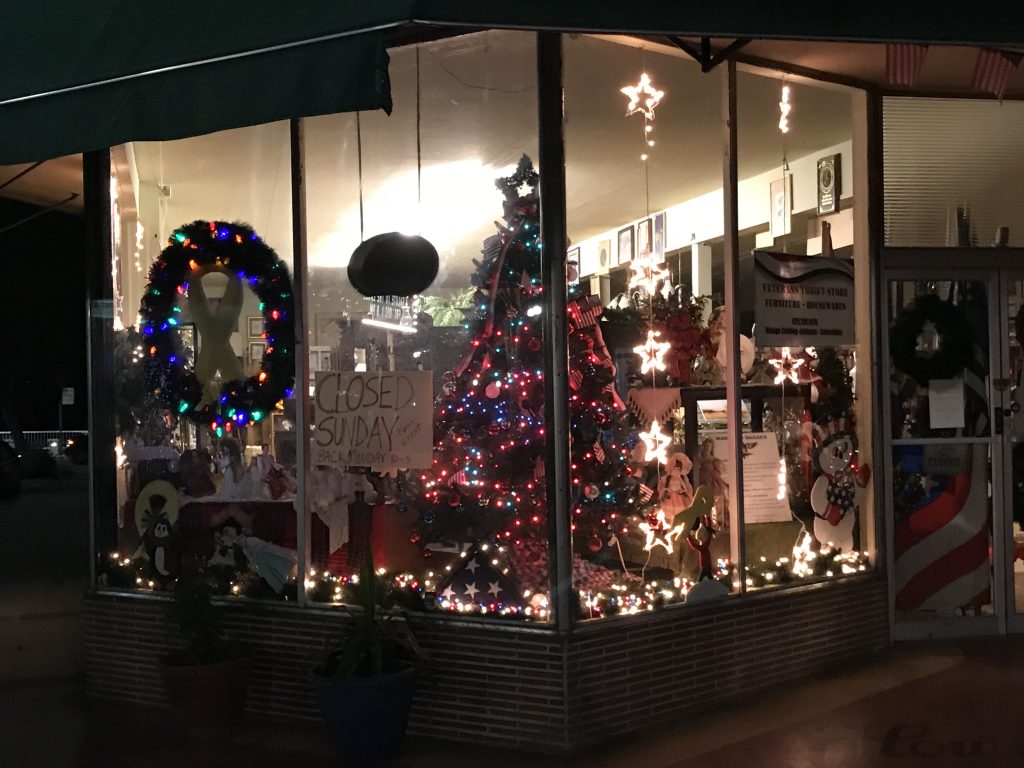
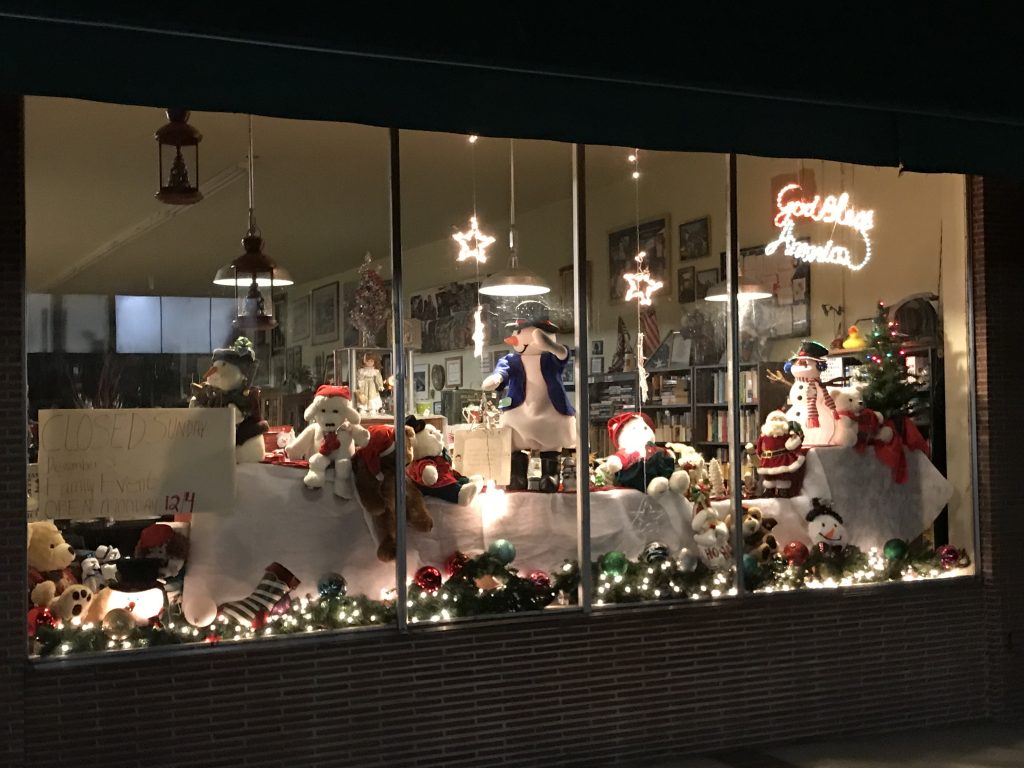
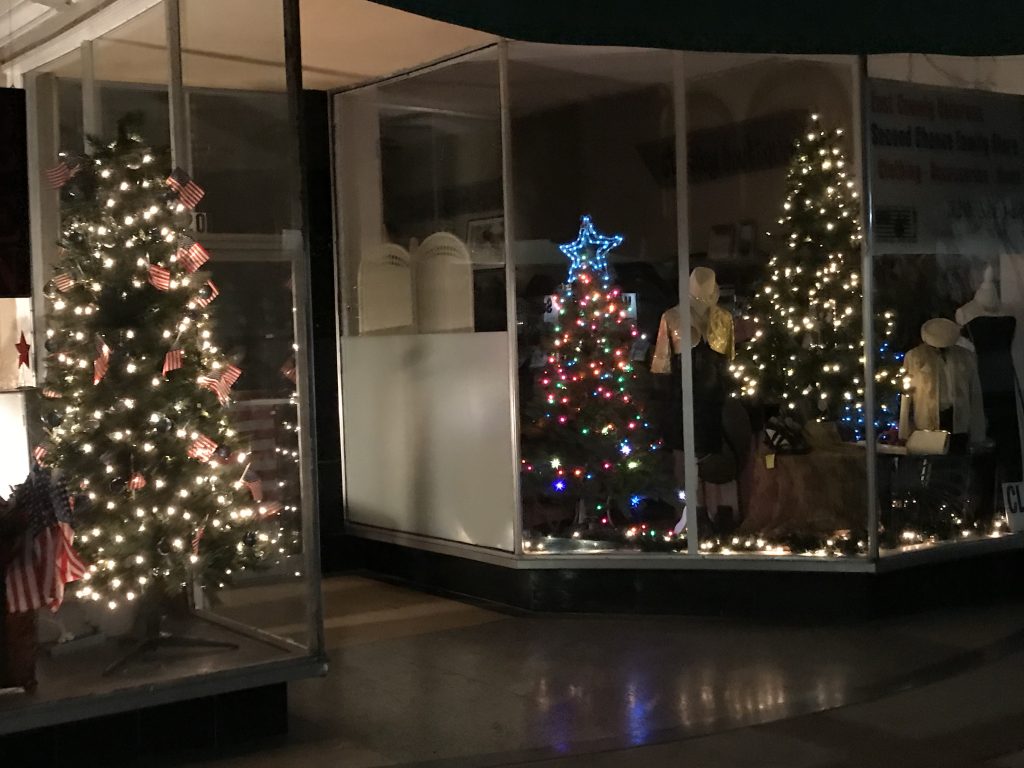
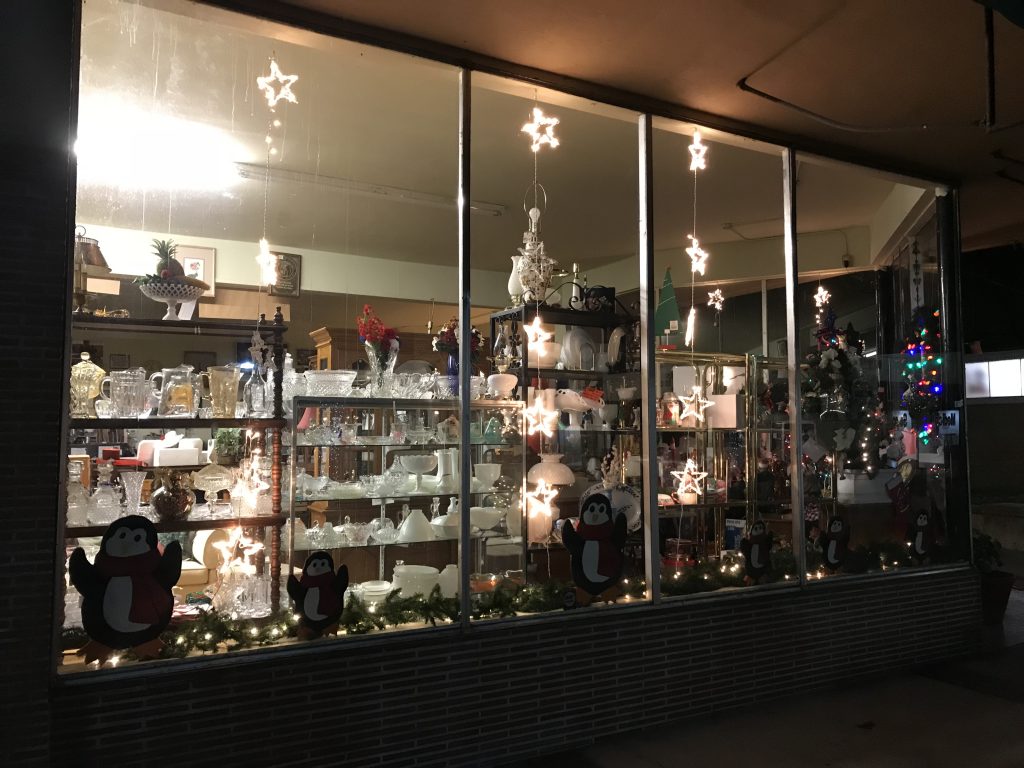
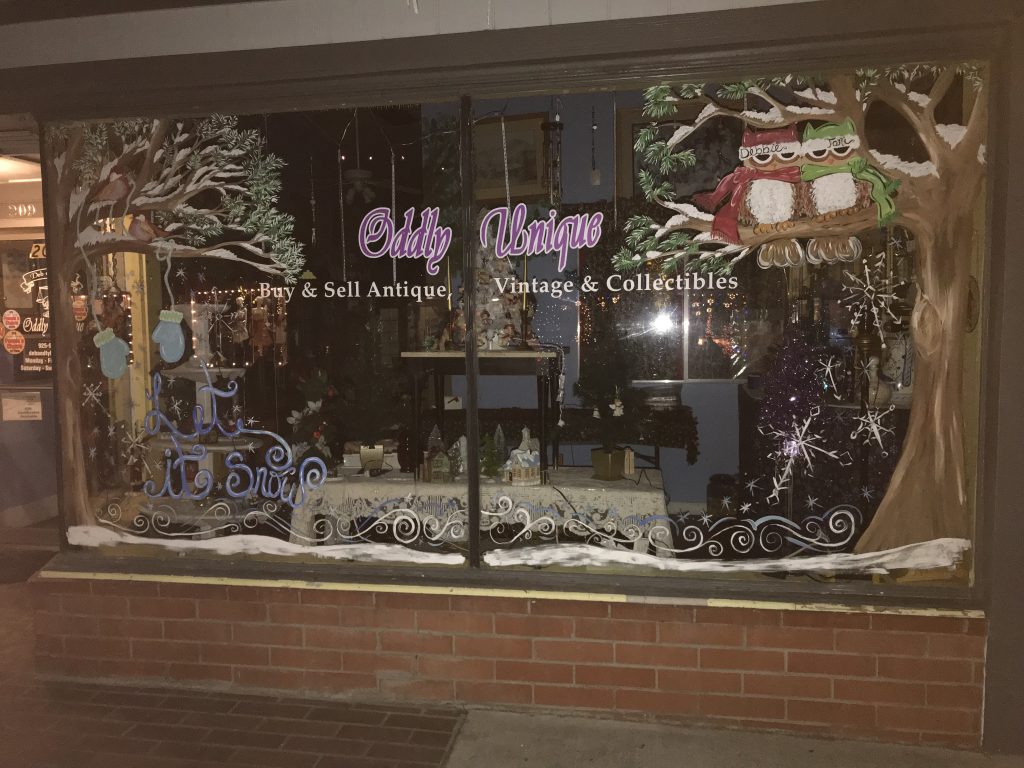
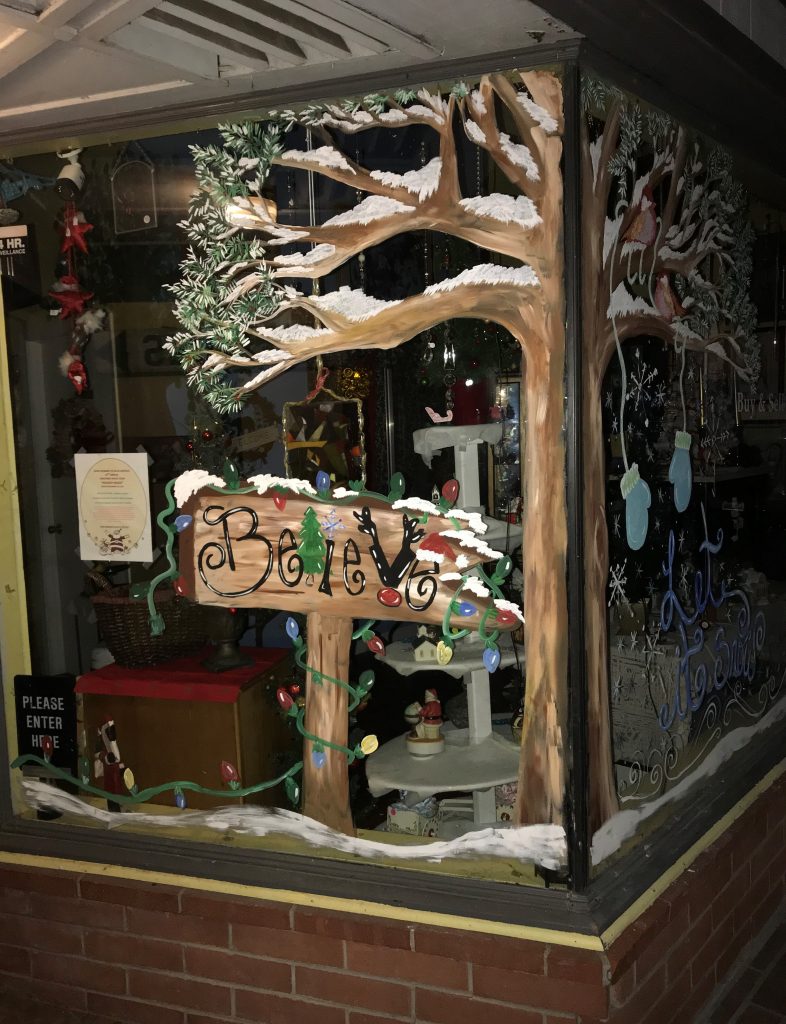
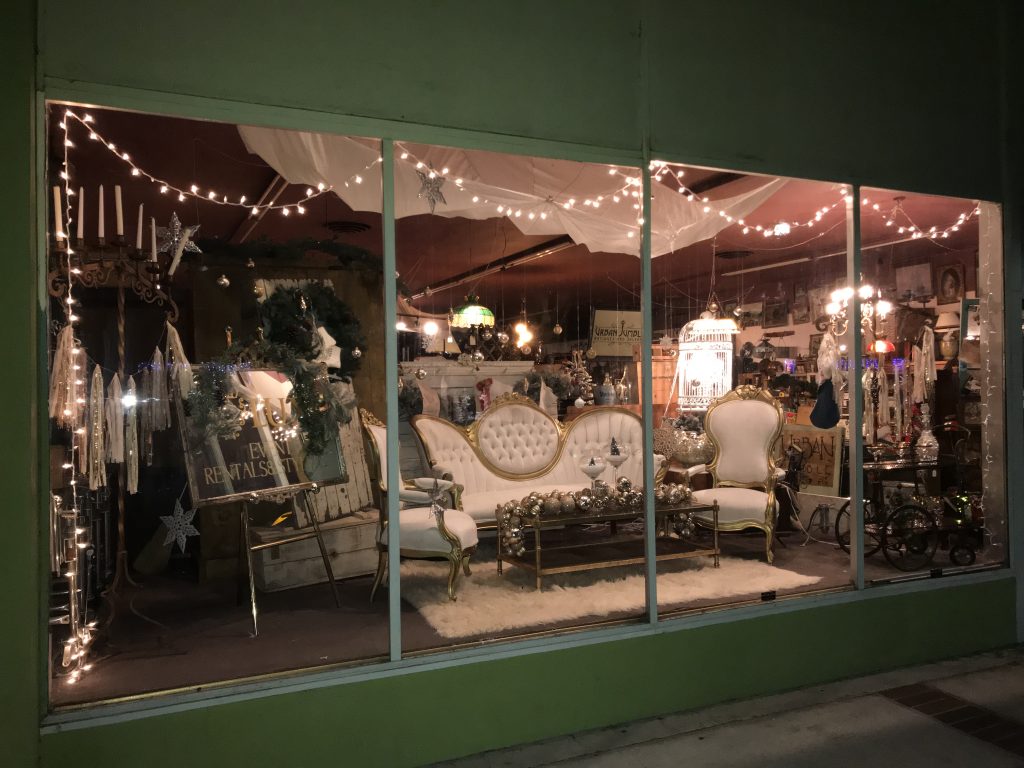
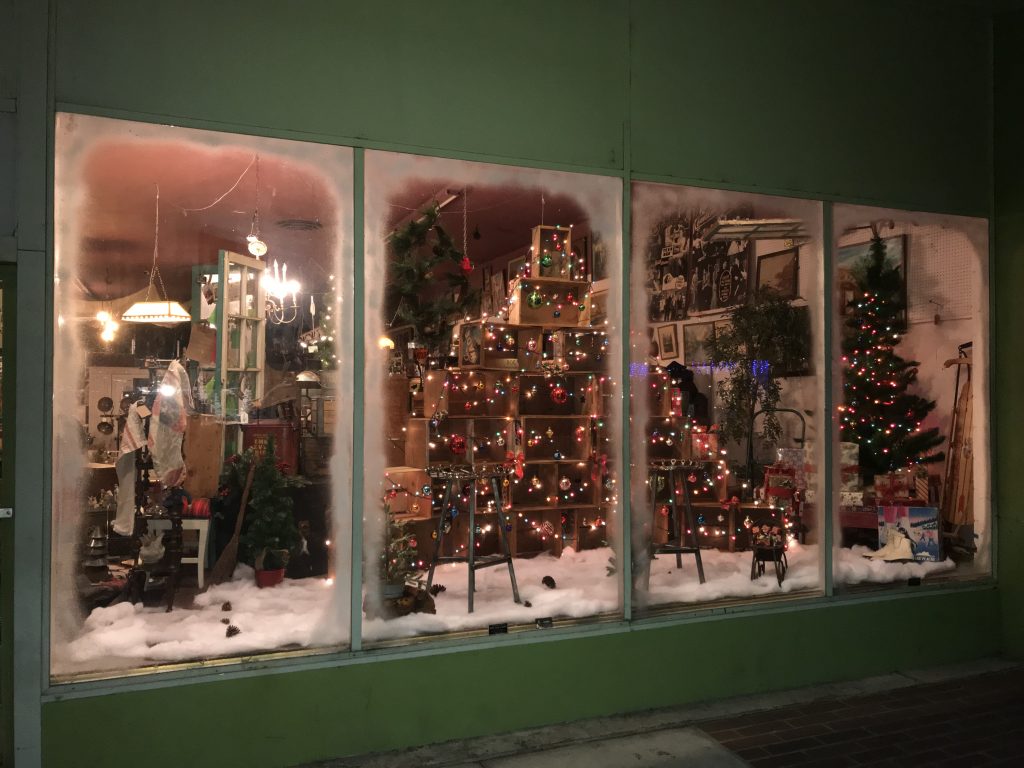
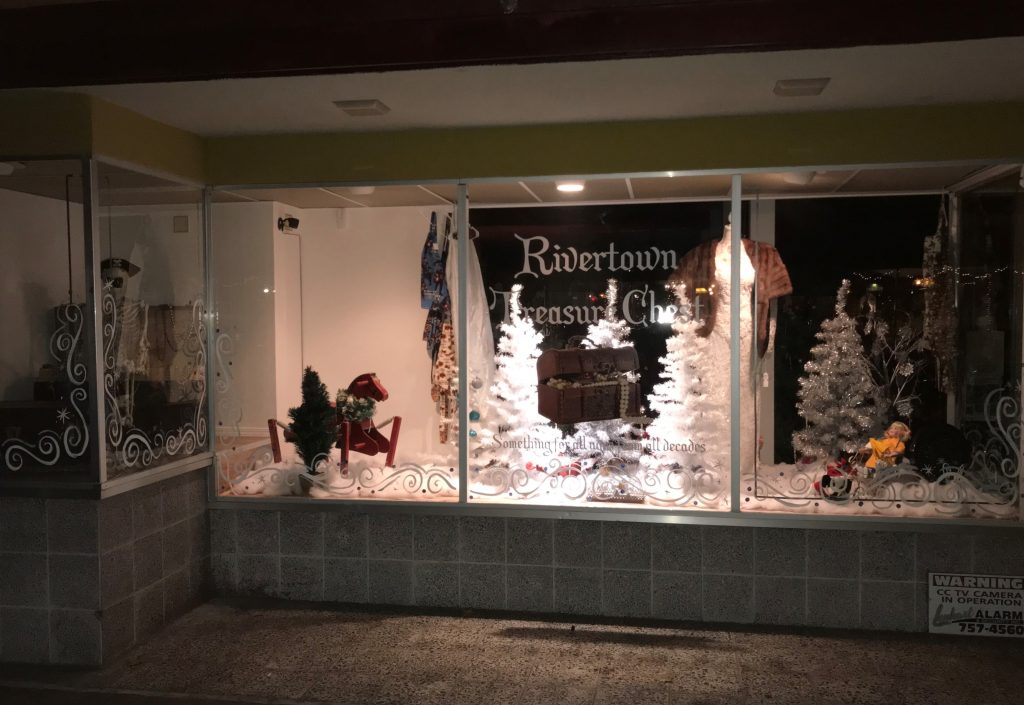
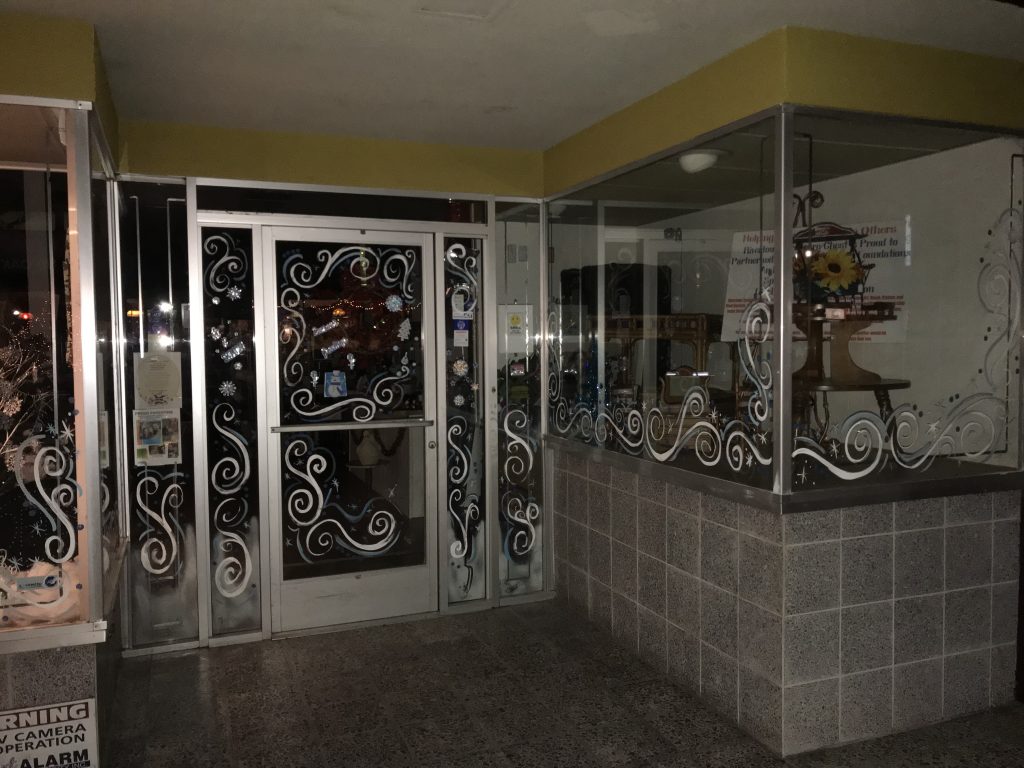
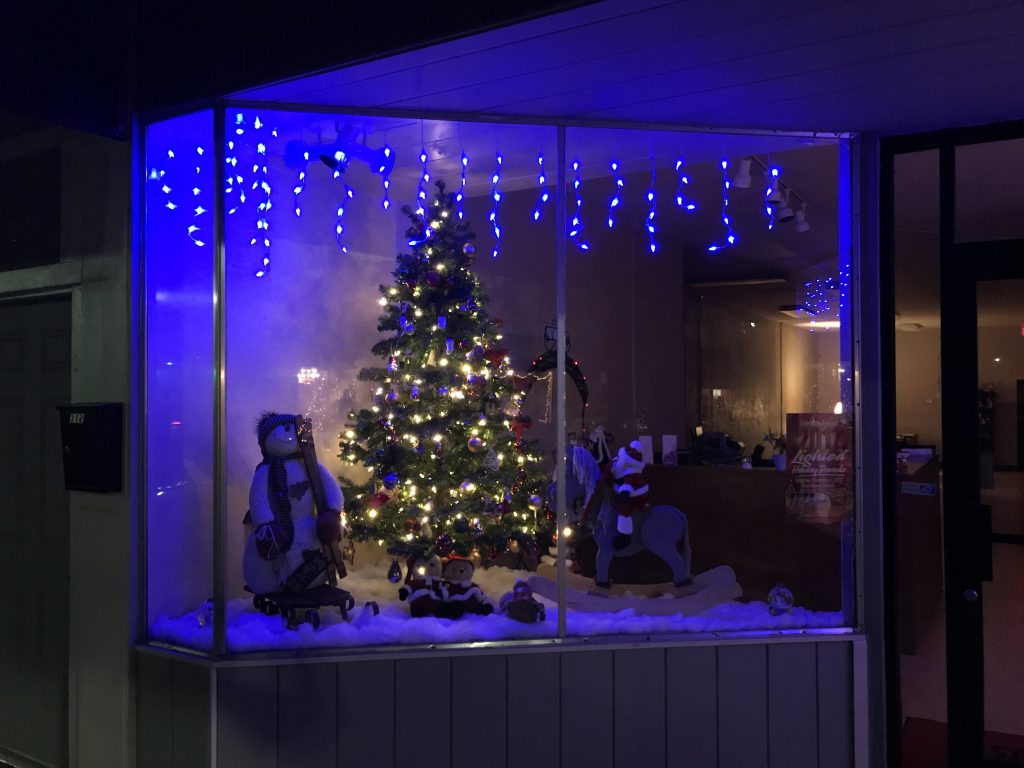
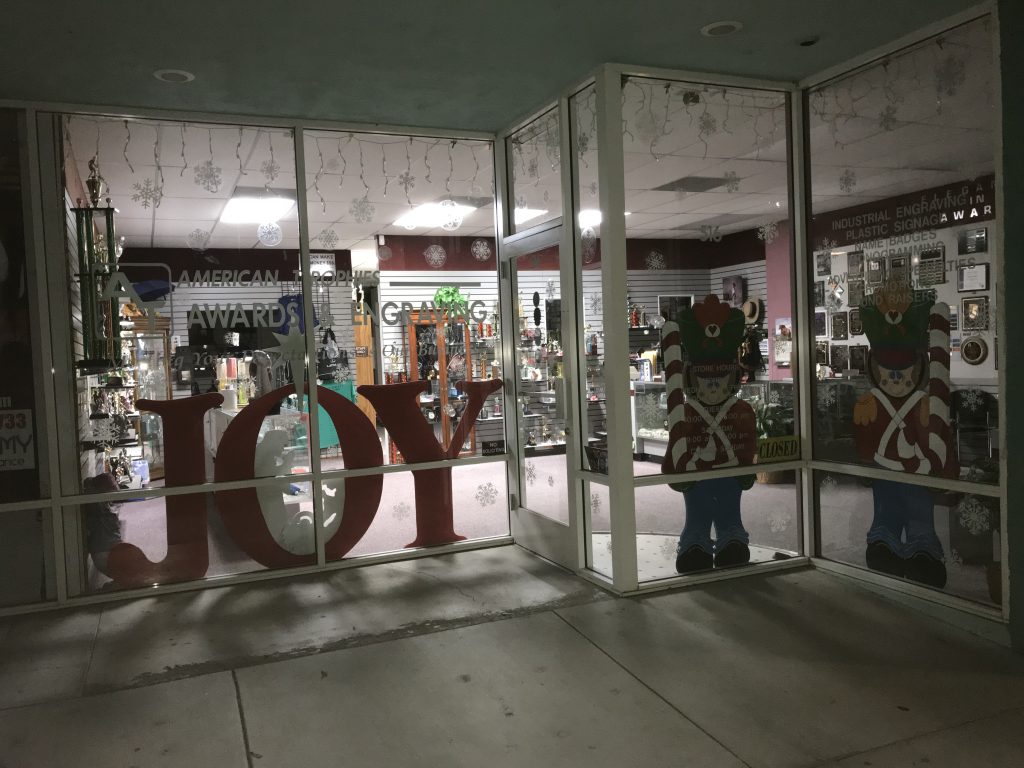
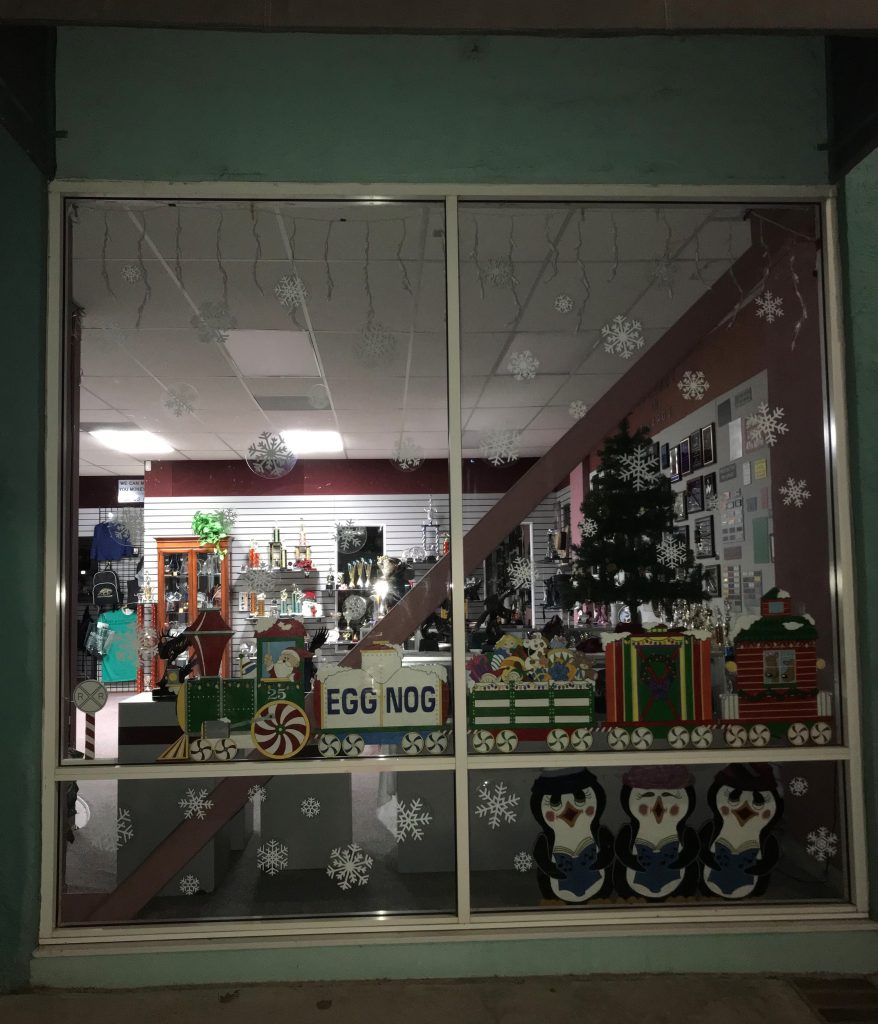
Voting continues in this year’s Rivertown Holiday Store and Window Décor contest. See all the wonderfully decorated stores and windows in Antioch’s historic, downtown through Saturday, Dec. 23. Ballots are available at participating merchants (or below)and are due by 5:00 p.m. on the 23rd. Those who submit ballots will be entered to win prizes from Rivertown merchants and other businesses. Shop local. Shop Antioch. Shop Rivertown for Christmas! 2017 Holiday Window Decor Contest Ballot rev 12-4-17


Interim Contra Costa District Attorney Becton announces she will run in next year’s election

Wednesday, December 6th, 2017

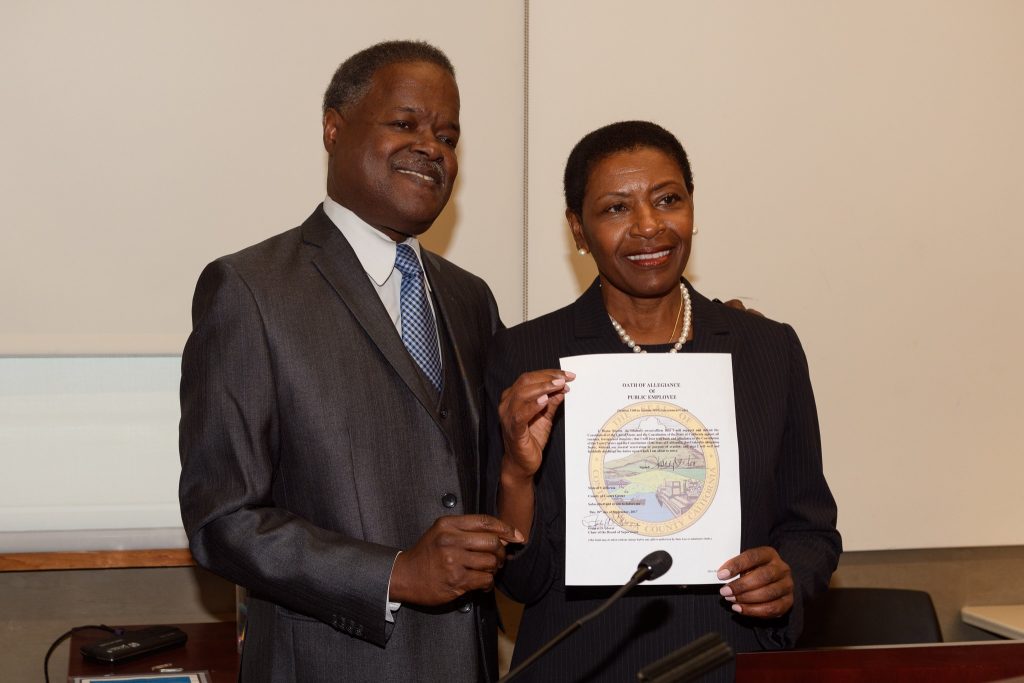
Board of Supervisors Chairman Federal Glover with Interim D.A. Diana Becton following her oath of office ceremony on Sept. 18, 2017. Photo by David Fraser, Office of Supervisor Federal Glover

Today, Wednesday, December 6, 2017, District Attorney Diana Becton issued the following statement:

“It’s official: today, I filed my papers to run for District Attorney of Contra Costa County.

“I was selected as District Attorney by the Board of Supervisors to restore faith and trust in the District Attorney’s Office in the wake of scandal. I have rolled up my sleeves and I am hard at work. I am committing to restoring integrity to the office. I am confident that I will succeed. I am a collaborative leader who knows how to get things done.

“We cannot continue to look at the criminal justice system in a vacuum. We need a broad, universal approach to how we prevent crime, make our communities safe, and treat everyone fairly.

“As a longtime judge of the Superior Court in Contra Costa County, I am proud of my reputation for hard work, fairness, and integrity. I will bring these qualities to the campaign trail – and to the job.”

In September, Becton was appointed by the Board of Supervisors to fill the position made vacant by the resignation of Mark Peterson. She joins Contra Costa County Senior Assistant District Attorney Paul Graves and Santa Clara County Supervising Deputy District Attorney Patrick Vanier who announced their campaigns and entered the race prior to Peterson’s resignation. The Primary Election will be held June 4, 2018. If no candidate receives a majority of vote, the top two candidates will face off in the General Election in November.

Allen Payton contributed to this report.

County Supervisors finally crack down on illegal trash haulers

Wednesday, December 6th, 2017

Efforts to pass ordinance since 2011

By Daniel Borsuk

After years of foot-dragging by the county officials and Contra Costa’s two major solid waste haulers – Republic Service and Mt. Diablo Resource Recovery – county supervisors voted 4-0 to pass an ordinance aimed at cracking down on illegal solid waste hauling activities in unincorporated parts of the East Bay County.

Supervisor Candace Andersen of Danville left the board meeting before the vote because she had a medical appointment.

With “dozens” of unsanctioned truck drivers illegally hauling trash and, in most cases, illegally dumping their loads in unincorporated East or West county locations at public expense for appropriate removal and disposal, supervisors finally took the bold step to crack down on the illegal activity.

For obvious reasons no one spoke in opposition to the ordinance up for consideration at Tuesday’s supervisors meeting and, for that matter other than representatives for the two major waster haulers, no one from the general public spoke in favor of the ordinance too.

Even then the ordinance’s passage did not come easily.  Attorneys for Republic Service and Mt. Diablo Resource Recovery insisted on five last minute wording changes that supervisors agreed to in order to move forward the law that has been on the drawing boards for at least six years.

“This ordinance will be a tool for county code enforcement officers to use to clean up this illegal activity,” said Sal Evola, representing Mt. Diablo Resource Recovery.  “We’ve been attempting to put a stop to this illegal activity since 2011.”

“It’s been a long time coming,” concurred board vice chair Karen Mitchoff of Pleasant Hill, who played a key role in finally getting the ordinance passed.  “We’re basically telling illegal haulers that they will have to play by the same rules as the legal haulers.  We view this as an economic development issue.”

“East County is definitely affected by illegal dumping,” said District 3 Supervisor Diane Burgis of Brentwood. “This ordinance means the county is taking the appropriate steps to hold these people accountable.”

Beginning March 2018, the ordinance will be enforced mainly by the Contra Costa County Health Service Department.  The county Sheriff-Coroner Office and local police departments will play law enforcement roles.

The county ordinance spells out what is considered to be a solid waste hauler under terms of the law.  The ordinance establishes vehicle inspection procedures, annual permit renewal will be required every December, revocation procedures, setting liability insurance requirements with policy limits of $1 million per occurrence and $1 million aggregate, and requiring drivers to hold performance bonds.

The county ordinance requires permit holders to transport solid waste load and recycled waste to properly licensed solid waste and recycling facilities.

It is too early to tell how much revenue the county will generate from the new ordinance.

$2 Million Waste Clean-up Contract Approved

In other action, supervisors approved as a consent item a $2 million contract with Pacheco-based Debri-Tech Inc. to do trash and abandoned waste cleanup and removal for the Contra Costa County Watershed Program.  The contract with Debri-Tech has been doubled from $1 million because the contract has been extended two years rather than one year.

Supervisors gave the District Attorney’s Office the green light to apply for $1.2 million in state funding for the county’s Victim/Witness Assistance Program.  The funding will be spent from Oct. 1, 2017 to Sept. 30, 2018.

In addition, supervisors approved the issuance of an additional $1.6 million in Multifamily Housing Revenue Bonds from the California Debt Limit Allocation Committee for the completion of the 58-family unit apartment development at 1515 and 1735 Riviera Ave. in Walnut Creek.  In March 2016, supervisors approved the $19.2 million development, but learned additional tax-exempt funds were needed to complete the construction.